

 English
 日本語
日本語 Español
 한국어
한국어The most effective foot bath ingredients include Epsom salt, essential oils, apple cider vinegar, baking soda, and warm water at 100–104°F (38–40°C). These core additions address the most common foot concerns — from soreness and odor to cracked heels and fungal issues. Whether you're using a basic basin or a collapsible foot spa bath massager, what you add to the water makes all the difference in results.
This guide covers every ingredient worth using, how much to add, what to avoid, and how to get the most from your foot spa bath experience — backed by practical recommendations and usage data.
The Essential Foot Bath Ingredients and What They Do
Not all foot soak ingredients are equal. Some target muscle fatigue, others fight bacteria or soften skin. Here's a breakdown of the most proven additions:
Epsom Salt (Magnesium Sulfate)
Epsom salt is the single most popular foot bath ingredient worldwide. Add ½ to 1 cup per gallon of warm water and soak for 15–20 minutes. It works by drawing out fluid from swollen tissues through osmosis and may help the body absorb magnesium transdermally — though the clinical evidence on absorption is still debated. What's undisputed: it softens calluses, relieves post-workout soreness, and reduces foot puffiness noticeably.
Essential Oils
Essential oils enhance the therapeutic and aromatic value of a foot spa bath. Always dilute them — 5–10 drops per gallon is the standard safe ratio. Never add undiluted essential oils directly to a foot spa bath massager, as they can damage plastic components over time. Top picks include:
- Peppermint oil — cooling, stimulates circulation, ideal after long standing hours
- Tea tree oil — antifungal and antibacterial, effective against athlete's foot and odor
- Lavender oil — calming, promotes relaxation, reduces stress-related tension
- Eucalyptus oil — anti-inflammatory, good for swollen or achy feet
Apple Cider Vinegar (ACV)
ACV is a reliable solution for foot odor and mild fungal conditions. Its acetic acid content creates an environment where odor-causing bacteria and fungi struggle to survive. Use ½ cup of ACV per 2 liters of warm water, soak for 15 minutes. Studies show acetic acid has measurable antifungal effects on Candida strains at concentrations as low as 0.1%.
Baking Soda (Sodium Bicarbonate)
Baking soda neutralizes foot odor at the pH level and gently exfoliates dead skin. Add 2–4 tablespoons per basin. It's especially effective combined with a few drops of tea tree oil. Avoid combining it with ACV in the same soak — they neutralize each other and lose effectiveness.
Hydrogen Peroxide
A diluted hydrogen peroxide soak (3% concentration, ½ cup per gallon of water) disinfects the feet and helps treat minor nail fungus or bacterial infections. It should be used sparingly — no more than 2–3 times per week — as overuse may dry out or irritate sensitive skin.
Foot Bath Recipes for Specific Concerns
Different foot conditions call for different ingredient combinations. Below are tested recipes for the most common foot care goals:
| Concern | Key Ingredients | Amount (per gallon) | Soak Time |
|---|---|---|---|
| Sore, tired feet | Epsom salt + peppermint oil | 1 cup + 8 drops | 20 min |
| Foot odor | ACV + tea tree oil | ½ cup + 6 drops | 15 min |
| Cracked heels | Epsom salt + coconut oil | 1 cup + 1 tbsp | 20–25 min |
| Athlete's foot / fungus | ACV + tea tree + baking soda | ½ cup + 8 drops + 2 tbsp | 15–20 min |
| Stress relief | Lavender oil + Epsom salt | 8 drops + ½ cup | 20 min |
| Swollen feet | Epsom salt + eucalyptus oil | 1 cup + 6 drops | 15–20 min |
How to Use a Collapsible Foot Spa Bath Massager Effectively
A collapsible foot spa bath massager adds bubbles, heat, and vibration to your soak — which amplifies ingredient absorption and muscle relief. However, not all additives are compatible with motorized units. Here's how to get the best results:
Safe Ingredients for Foot Spa Bath Massagers
Most motorized foot spa bath massagers are safe with:
- Epsom salt — dissolve fully in hot water first before pouring into unit
- Diluted essential oils — 5–8 drops maximum per session
- Baking soda — safe at low amounts (1–2 tablespoons)
- Liquid soap or mild bath gel — a small squeeze only
What to Avoid in a Motorized Foot Spa
Some ingredients can clog jets, corrode internal parts, or degrade plastic surfaces:
- Undissolved coarse salts or scrub particles — can block the pump mechanism
- Bleach or hydrogen peroxide — may damage rubber seals and plastic housing
- Heavy oils (coconut oil, olive oil) — create residue that's hard to clean and can shorten motor life
- Milk or dairy products — break down quickly and encourage bacterial growth in the unit
Optimal Temperature for a Foot Spa Bath
The ideal water temperature for a foot spa bath is 100–104°F (38–40°C). This range is warm enough to open pores and improve circulation without burning sensitive skin. Most collapsible foot spa bath massagers with heating elements maintain this range automatically. For people with diabetes or neuropathy, staying below 100°F is important due to reduced heat sensitivity.
Natural Add-Ins That Elevate Your Foot Bath
Beyond the basics, these natural ingredients add therapeutic value and are easy to find at home:
Green Tea
Brew 3–4 green tea bags and add to your foot bath. Green tea contains epigallocatechin gallate (EGCG), a potent antioxidant with documented antimicrobial properties. It helps neutralize odor, reduce inflammation, and soften skin. A 2019 study published in the Journal of Food Science confirmed green tea extract inhibits the growth of odor-producing bacteria.
Lemon Juice
Juice of 2 lemons per basin acts as a natural astringent and mild exfoliant. Citric acid breaks down dead skin cells and lightens dark spots on the heels. It also freshens foot odor efficiently. Avoid using on broken skin or open blisters — the acidity will sting.
Dried Herbs
Peppermint leaves, chamomile, and rosemary steeped in boiling water make a fragrant and functional foot bath base. Steep for 10 minutes, strain, then add to your basin. Chamomile has proven anti-inflammatory properties; peppermint delivers a menthol-cooling sensation that soothes aching arches.
Oatmeal
Colloidal oatmeal (finely ground) is excellent for dry, itchy, or eczema-prone feet. Use a muslin bag or nylon stocking filled with ½ cup of oatmeal and swirl it in the water. This prevents clogging in motorized massagers while releasing beta-glucan, a compound proven to repair the skin barrier.
Foot Bath Frequency and Timing Recommendations
How often and when you soak matters as much as what you add to the water. Here are evidence-based usage guidelines:
- General wellness soaks: 2–3 times per week, 15–20 minutes each
- Post-exercise recovery: Within 30 minutes of intense activity for maximum swelling reduction
- Fungal or bacterial treatment: Daily for 1–2 weeks, then 3x/week as maintenance
- Cracked heels: Every other day; follow immediately with a thick heel cream or shea butter and cotton socks overnight
- Evening vs. morning: Evening soaks are more effective for relaxation and sleep quality; morning soaks improve circulation for an active day
Avoid soaking for more than 30 minutes, as prolonged exposure can strip the skin's natural oils and lead to dryness or maceration (overly softened, waterlogged skin prone to tears).
What Not to Put in a Foot Bath
Just as important as knowing what to add is knowing what to avoid. These common mistakes can cause skin damage, infection, or equipment failure:
- Rubbing alcohol: Extremely drying; damages the skin barrier with repeated use
- Bleach: Caustic at concentrations above 0.05%; causes chemical burns and corrodes spa components
- Dish soap: Strips natural foot oils aggressively; fine occasionally but harmful with regular use
- Undiluted essential oils: Can cause chemical burns or severe irritation on skin
- Very hot water above 110°F (43°C): Risk of scalds, worsens varicose veins, and is dangerous for diabetics
- Any ingredient with open wounds or severe skin conditions: Always consult a podiatrist first
Choosing the Right Foot Spa Bath Massager for Your Routine
The container or device you use shapes your overall experience. Here's what to look for when selecting a foot spa bath massager:
Collapsible vs. Non-Collapsible Models
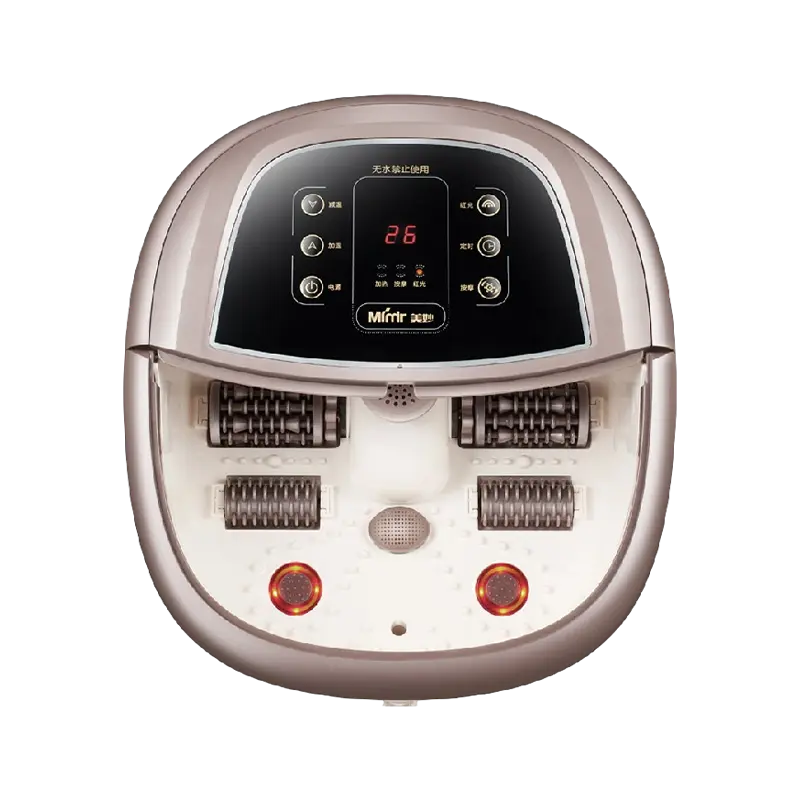
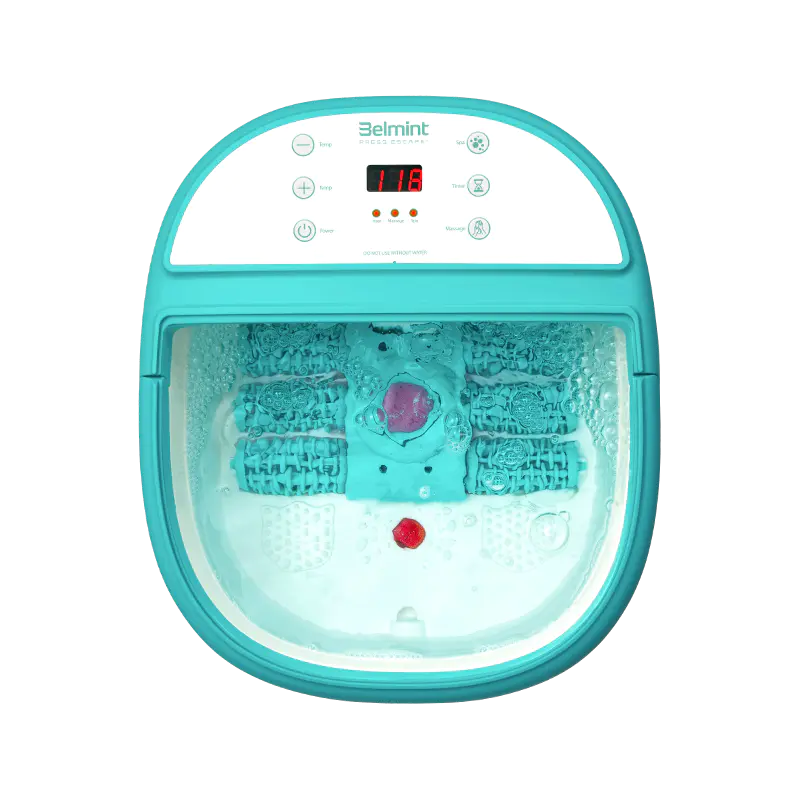
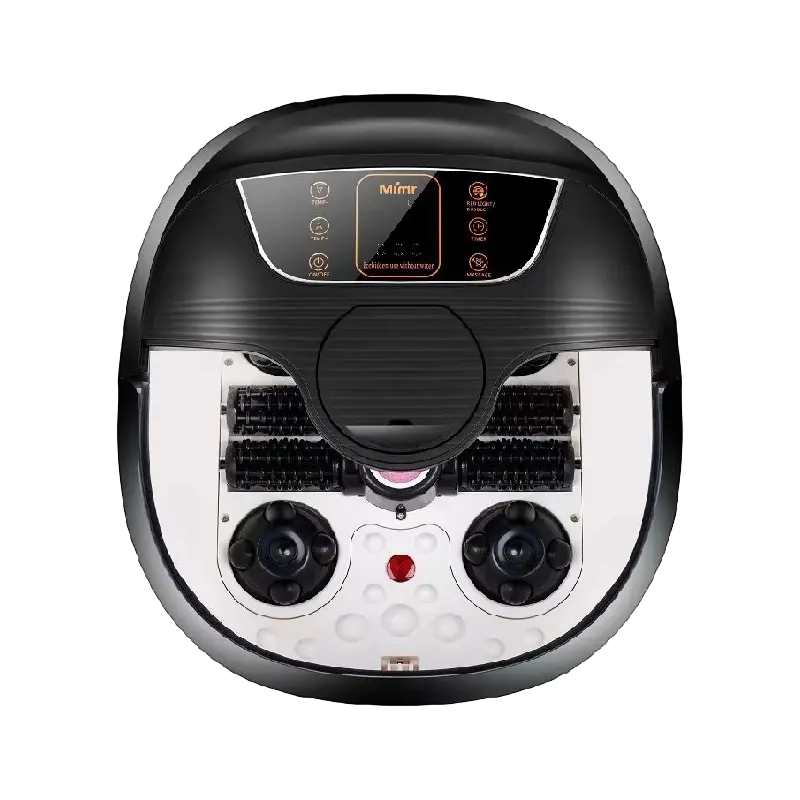
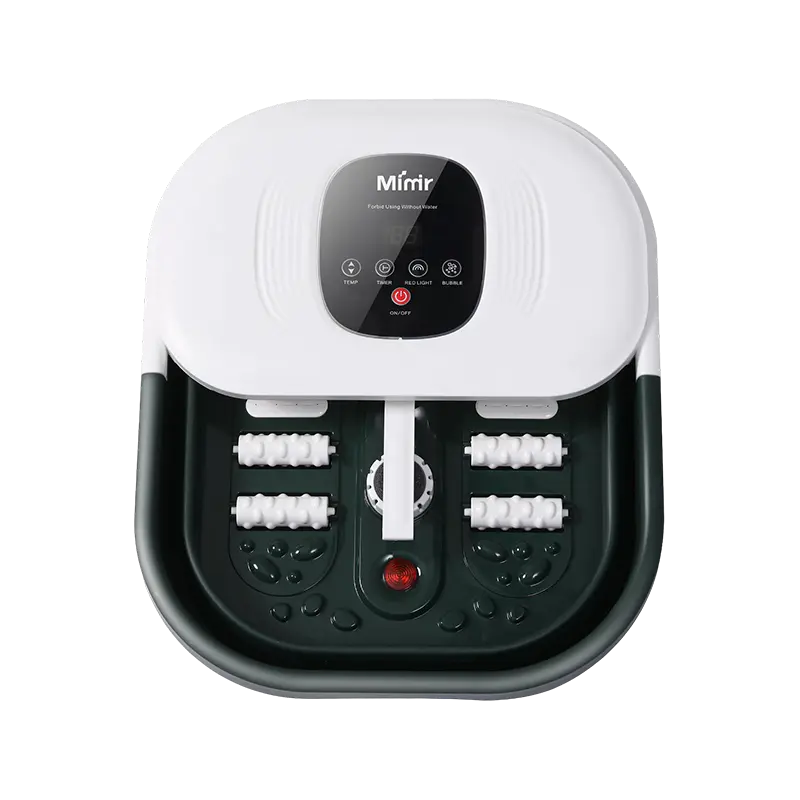
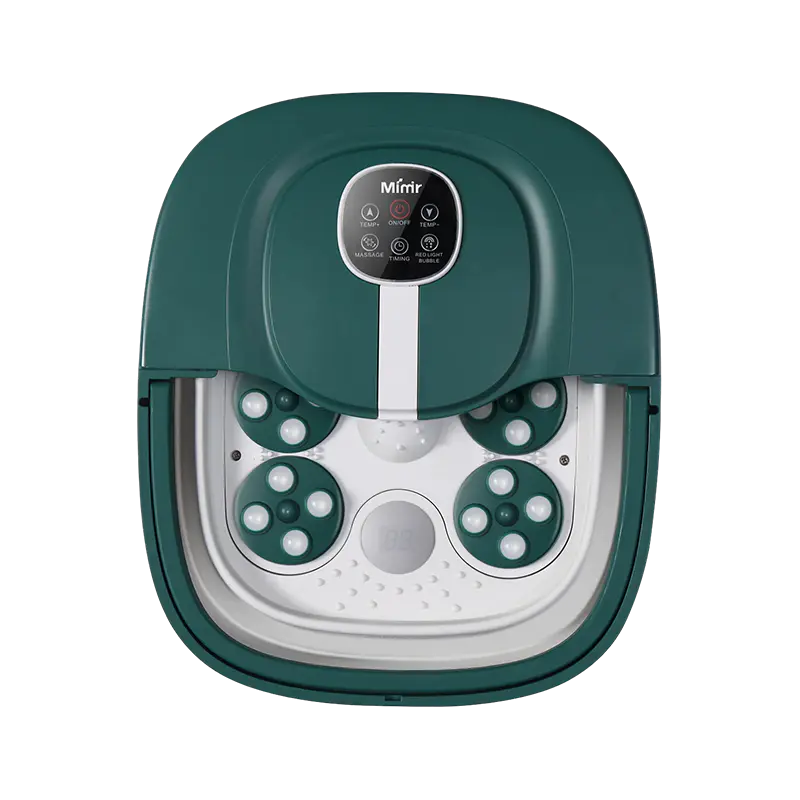
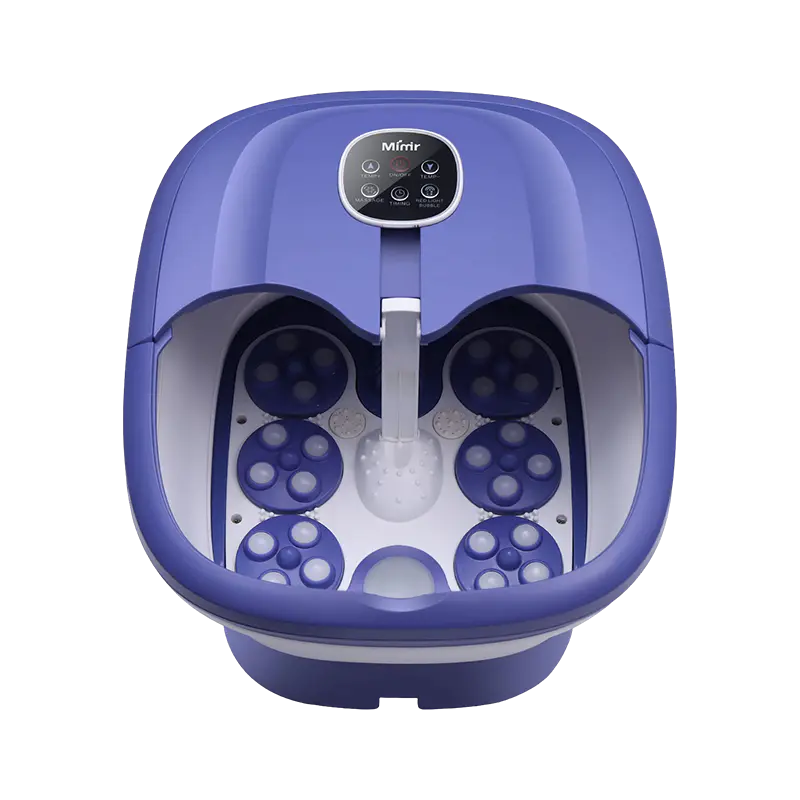
A collapsible foot spa bath massager is ideal for people with limited storage space. Modern models fold flat to 2–3 inches and weigh under 3 lbs, making them easy to store under a bed or in a closet. Non-collapsible models often feature more powerful motors and larger water reservoirs (3–5 liters vs. 2–3 liters in collapsible models), but they trade portability for performance.
Key Features to Look For
- Built-in heating element: Maintains water temperature throughout the soak — critical for therapeutic benefit
- Bubble/jet function: Enhances circulation and ingredient delivery to skin
- Vibration massage nodes: Targets plantar fascia, arches, and heel pain
- Non-slip base: Essential for safety when surfaces are wet
- Easy-drain design: Reduces spillage and cleanup time after each use
Cleaning Your Foot Spa After Each Use
Bacteria multiply quickly in warm, moist environments. After each soak, rinse the basin with clean water, then wipe down with a diluted white vinegar solution (1:10 ratio with water). For motorized units, run a clean water cycle before draining. Never share a foot spa without thorough disinfection — shared, inadequately cleaned basins are among the top sources of nail fungus transmission in salon settings.
Step-by-Step Guide to the Perfect Foot Spa Bath at Home
Follow this simple routine to maximize every soak:
- Fill your foot spa with water at 100–104°F (38–40°C) — enough to cover your ankles
- Add your chosen ingredients — dissolve salts first, then add oils or vinegar
- Turn on the massager (if using a motorized unit) and wait 1–2 minutes for ingredients to mix
- Soak for 15–20 minutes — avoid exceeding 30 minutes
- Gently scrub heels and calluses with a pumice stone or foot file during the last 5 minutes while skin is softened
- Pat feet dry thoroughly, especially between toes, to prevent fungal growth
- Apply moisturizer immediately while skin is still slightly damp — this is when absorption is highest
- Clean and dry the foot spa before storing