

 English
 日本語
日本語 Español
 한국어
한국어To make a foot bath at home, fill a basin with warm water (between 100°F and 104°F / 38°C–40°C), add your chosen ingredients such as Epsom salt, essential oils, or baking soda, and soak your feet for 15 to 20 minutes. This simple routine relieves tired feet, softens rough skin, reduces odor, and promotes relaxation after a long day. For those who want a more therapeutic and hands-free experience, a foot spa bath massager adds heat maintenance, water jets, and vibration massage that a basic basin cannot replicate. This guide covers both approaches in full detail.
What You Need to Make a Basic Foot Bath
A DIY foot spa bath requires minimal equipment and ingredients that most households already have. The essentials are simple, and the experience can be customized depending on your specific foot care goals — whether that's muscle relief, skin softening, or stress reduction.
Basic Equipment
- A basin, bucket, or tub large enough to submerge both feet up to the ankle
- A kettle or tap for warm water — aim for 100°F to 104°F (38°C–40°C)
- A thermometer (optional but helpful, especially for people with diabetes or circulation issues)
- A clean towel for drying feet afterward
- A pumice stone or foot scrub brush for exfoliation during or after soaking
Why Water Temperature Matters
Water temperature is the most important variable in a foot spa bath. Water between 100°F and 104°F is warm enough to relax muscles, open pores, and improve circulation without causing burns. Water above 110°F (43°C) risks scalding, particularly for elderly users or those with reduced foot sensitivity. Water below 98°F will feel tepid and provide little therapeutic benefit. If you don't have a thermometer, test the water with your elbow — it should feel comfortably warm, not hot.
Popular Foot Bath Recipes and Their Benefits
The ingredients you add to a foot spa bath determine its therapeutic outcome. Each recipe below targets a specific concern, from muscle soreness to fungal issues to dry cracked heels.
| Ingredient | Amount per Basin | Primary Benefit | Best For |
|---|---|---|---|
| Epsom Salt | ½ cup (120g) | Muscle relaxation, reduces swelling | Sore, aching feet after standing |
| Baking Soda | 3–4 tablespoons | Odor neutralization, skin softening | Foot odor, rough or calloused skin |
| Apple Cider Vinegar | ½ cup (120ml) | Antifungal, antibacterial action | Athlete's foot, nail fungus prevention |
| Peppermint Essential Oil | 5–10 drops | Cooling sensation, refreshing | Hot, tired, or swollen feet |
| Lavender Essential Oil | 5–10 drops | Stress relief, anti-inflammatory | Evening relaxation, anxiety relief |
| Sea Salt | ½ cup (120g) | Exfoliation, mineral absorption | Dry skin, cracked heels |
| Green Tea (2–3 bags) | 2–3 brewed bags | Antioxidant, deodorizing | General foot health, odor control |
The Classic Epsom Salt Foot Bath
The Epsom salt foot bath is the most popular DIY recipe for good reason. Epsom salt is magnesium sulfate — when dissolved in warm water, it is believed to help relax overworked muscles and reduce inflammation. Add ½ cup of Epsom salt to a basin of warm water, stir until dissolved, and soak for 15–20 minutes. For enhanced benefit, add 5 drops of peppermint or eucalyptus oil.
The Antifungal Apple Cider Vinegar Soak
Apple cider vinegar creates an acidic environment that inhibits the growth of bacteria and fungi. Research published in the journal Scientific Reports found that acetic acid, the active component in vinegar, demonstrated antifungal properties against common strains including Candida. Mix 1 part apple cider vinegar to 2 parts warm water and soak for 15 minutes, up to three times per week for fungal concerns.
The Softening Baking Soda Soak
Baking soda (sodium bicarbonate) is mildly alkaline, which helps break down dead skin cells and neutralize odor-causing bacteria. Dissolve 3 to 4 tablespoons in warm water and soak for 15–20 minutes. Follow with a pumice stone to remove softened calluses more easily.
Step-by-Step: How to Make a Foot Bath at Home
Follow this complete process to get the most benefit from your DIY foot spa bath, from preparation through aftercare.
- Prepare your space: Set up a comfortable chair at the right height so your feet rest flat in the basin without strain. Place a towel on the floor beneath the basin to catch splashes.
- Fill the basin: Add enough warm water to cover your feet up to the ankles — typically 3 to 4 liters. Check the temperature is between 100°F and 104°F (38°C–40°C).
- Add your ingredients: Stir in your chosen additions — Epsom salt, baking soda, essential oils, or vinegar — and mix until dissolved. Add essential oils last and mix through the water.
- Soak your feet: Submerge both feet and relax for 15 to 20 minutes. Avoid soaking longer than 30 minutes as prolonged soaking can over-soften skin and strip natural oils.
- Exfoliate while soaking: After 10 minutes, use a pumice stone or foot scrub brush on heels, balls of feet, and any calloused areas. The softened skin removes much more easily at this stage.
- Rinse and dry thoroughly: Rinse feet with clean water and pat completely dry — especially between the toes — to prevent fungal growth in moist areas.
- Moisturize immediately: Apply a thick foot cream or lotion while skin is still slightly warm to lock in moisture. Products containing urea (10–25%) are especially effective for cracked heels.
What Is a Foot Spa Bath Massager and How Does It Compare?
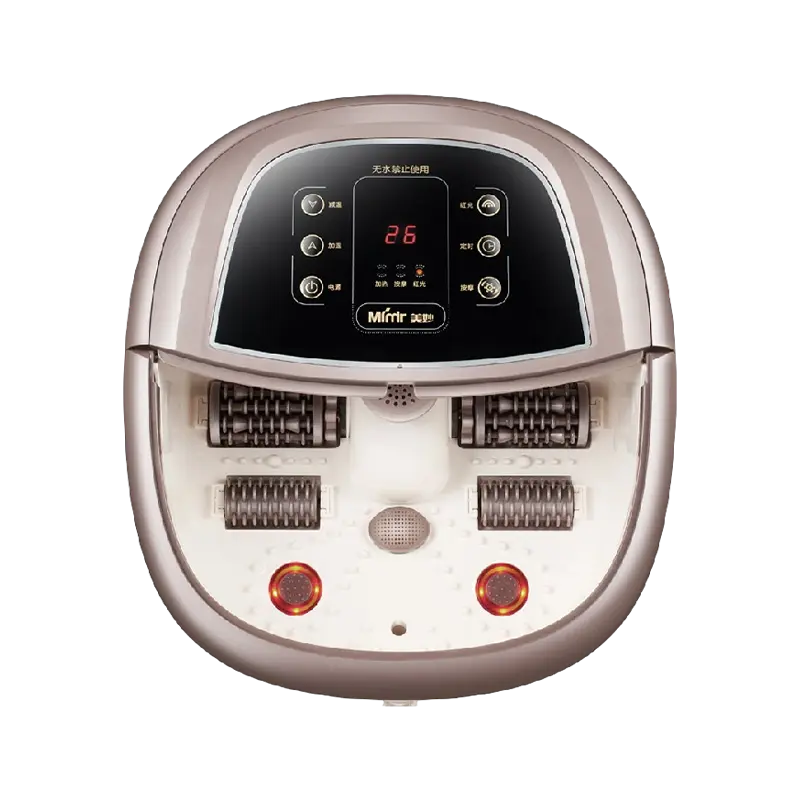
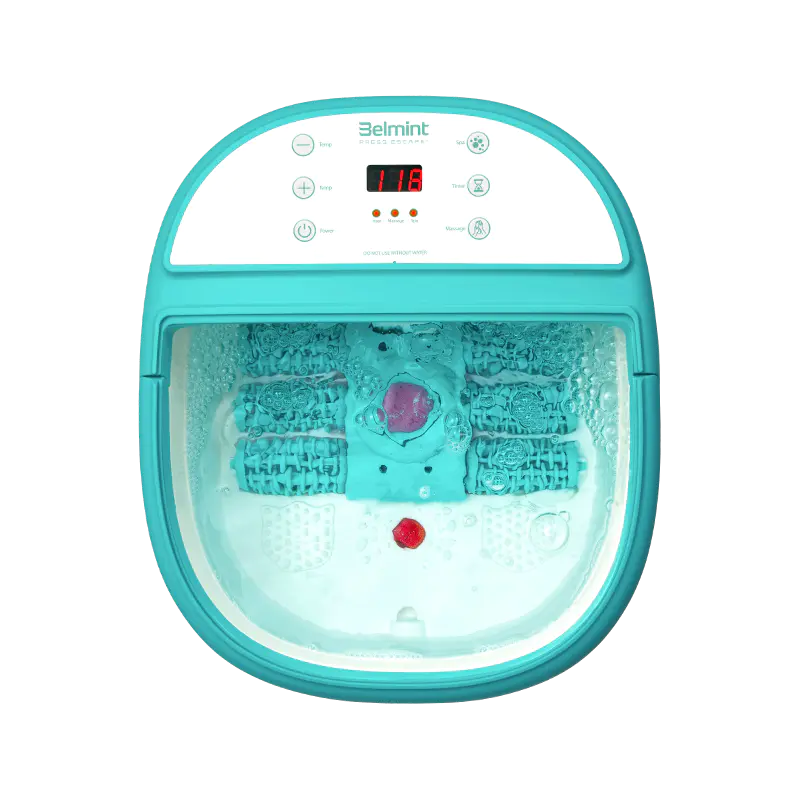
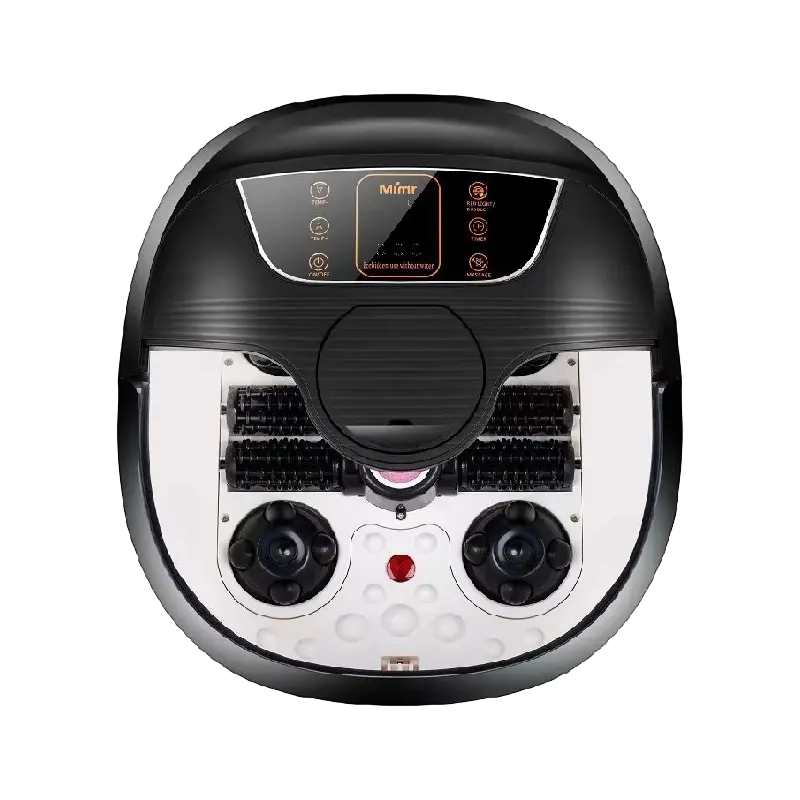
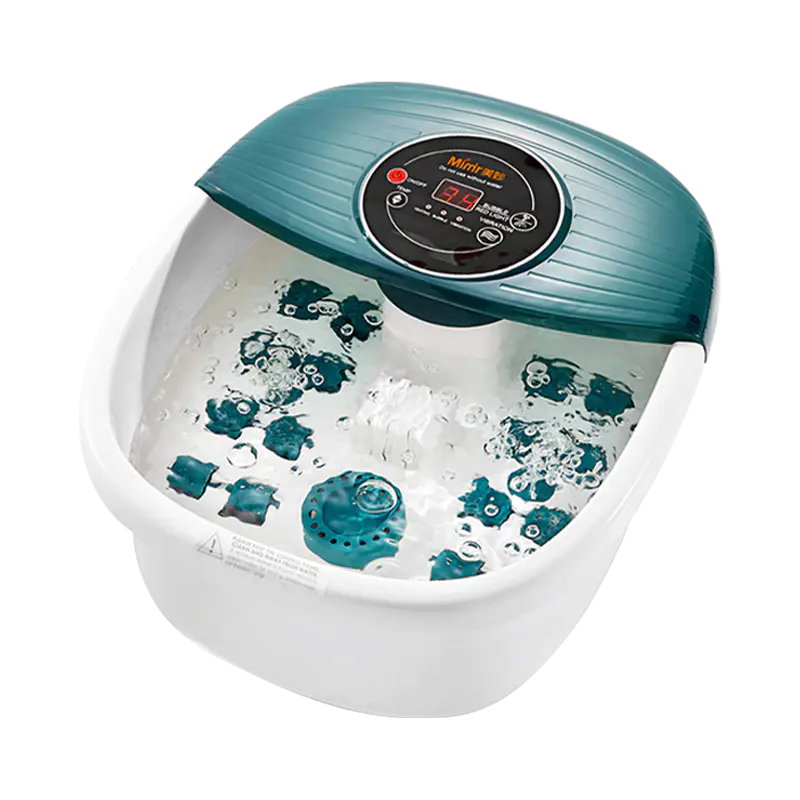
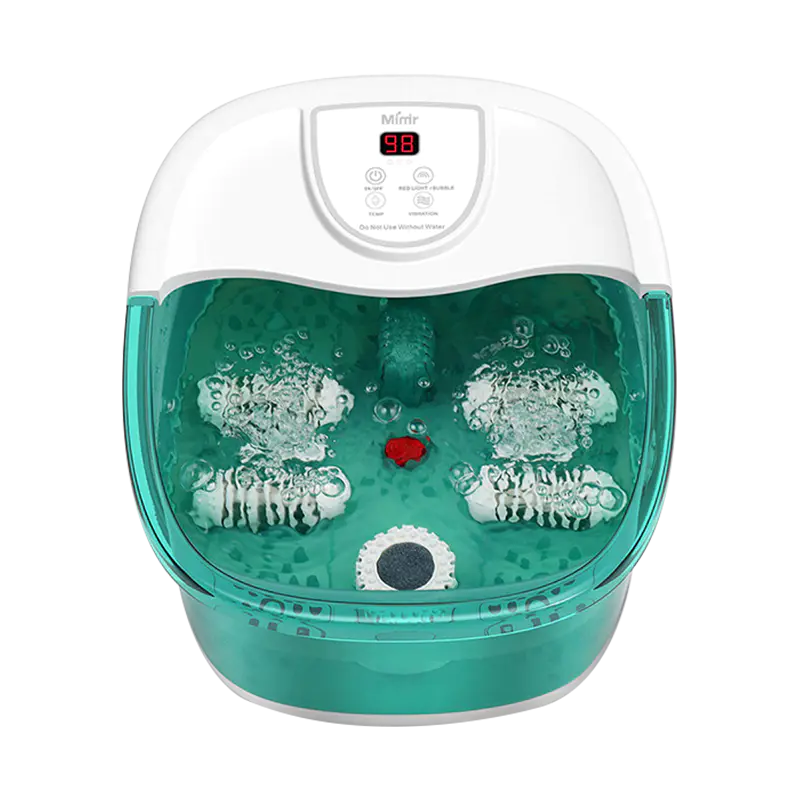
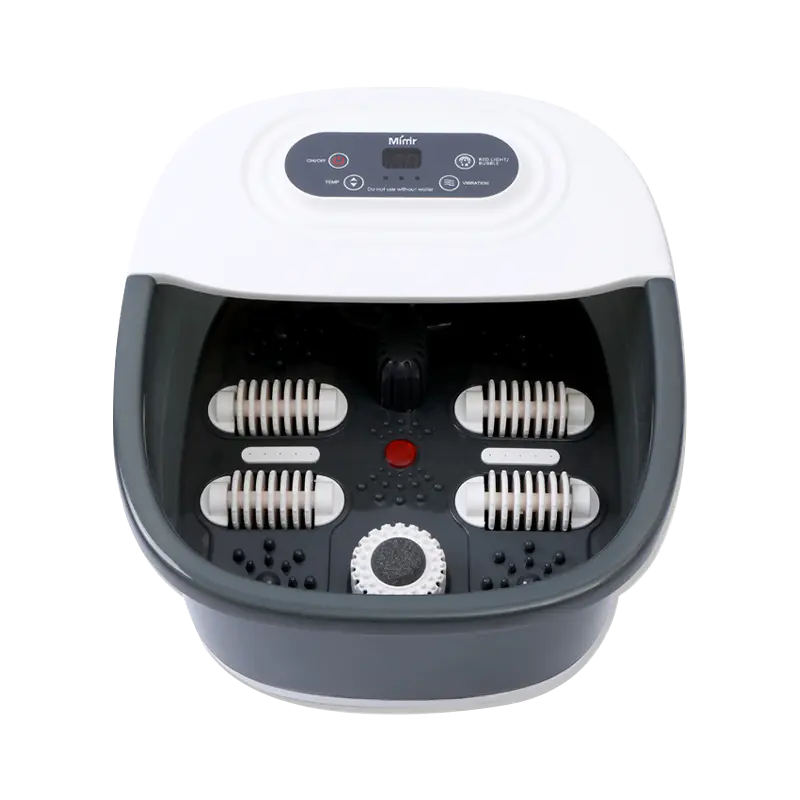
A foot spa bath massager is an electric appliance designed to deliver a more comprehensive foot care experience than a simple basin soak. It combines heated water with therapeutic features that actively work on your feet throughout the session — making it significantly more effective for ongoing muscle relief, circulation improvement, and deep relaxation.
Most foot spa bath massager models include a built-in heating element that maintains water temperature throughout the session — solving the single biggest limitation of the DIY approach, where water cools within 10 minutes. Premium models maintain water at a consistent 95°F to 118°F (35°C–48°C) with adjustable thermostat control.
Key Features Found in Foot Spa Bath Massagers
- Heated water with temperature control: Maintains optimal soak temperature for the full session without topping up with hot water
- Bubble massage / water jets: Aeration creates thousands of tiny bubbles that stimulate nerve endings and improve circulation across the foot surface
- Vibration massage: Motorized vibration plates in the base of the unit provide mechanical stimulation to the soles and arches
- Roller attachments: Many units include removable massage rollers under the foot tray that target the arch and heel with shiatsu-style pressure
- Red light therapy: Higher-end models include infrared or red LED panels that may support circulation and reduce inflammation
- Pedicure attachments: Interchangeable pumice stones, brush heads, and exfoliating rollers included with the unit
DIY Foot Bath vs. Foot Spa Bath Massager: Which Is Better?
Both approaches deliver real benefits, but they serve different needs and budgets. The right choice depends on how frequently you want to use a foot bath and what results you're seeking.
| Factor | DIY Foot Bath | Foot Spa Bath Massager |
|---|---|---|
| Cost | Under $5 per session | $30–$150 one-time investment |
| Temperature Maintenance | Cools within 10–15 minutes | Maintained throughout session |
| Massage Function | None (manual only) | Bubbles, vibration, rollers |
| Customization | Unlimited ingredient choices | Compatible with most additives |
| Ease of Use | Simple setup, manual effort | Plug in and select settings |
| Therapeutic Depth | Moderate — soaking benefits only | High — soaking + active massage |
| Storage | Any basin works | Requires dedicated storage space |
| Best For | Occasional use, targeted treatments | Regular use, chronic foot issues |
How to Choose the Right Foot Spa Bath Massager
The foot spa bath massager market ranges from basic heated buckets under $30 to feature-rich therapeutic units over $120. Knowing what features genuinely matter will help you avoid overspending on gimmicks or underspending on a unit that doesn't meet your needs.
Heating Capability Is Non-Negotiable
The most important feature is a reliable heating system that both heats and maintains water temperature. Some budget models only maintain temperature if you add hot water yourself — they cannot actively heat cold water.
Basin Size and Depth
The basin must be wide enough to fit both feet comfortably side by side and deep enough to cover the tops of your feet and ankles. Most standard units accommodate foot sizes up to US men's size 12. If you have larger feet or want a deeper ankle soak, look for units explicitly marketed as "deep soaking" models — these typically hold 4–6 liters of water versus the 2–3 liters in basic models.
Massage Features to Prioritize
- Bubble jets: A useful baseline feature that provides gentle all-over stimulation — worth having in any unit
- Motorized massage rollers: Particularly beneficial for plantar fasciitis, arch pain, and heel pain — prioritize if you have chronic foot discomfort
- Vibration massage: Adds a satisfying stimulation to the soles; less targeted than rollers but enjoyable for general relaxation
- Infrared/red light: Present in premium units; may support circulation — a useful bonus but not essential for most users
Health Benefits of Regular Foot Spa Baths
A consistent foot spa bath routine — whether DIY or with a massager — delivers measurable benefits beyond simple relaxation. Research and clinical evidence support several of the most commonly cited benefits.
- Improved circulation: Warm water causes vasodilation — blood vessels widen — increasing blood flow to the feet and lower legs. A 2014 study in the Journal of Physical Therapy Science found that warm water foot baths significantly increased peripheral circulation in elderly participants.
- Reduced muscle soreness: Heat therapy relaxes the muscles of the feet and calves, relieving post-exercise soreness and reducing the symptoms of conditions like plantar fasciitis
- Better sleep: A warm foot bath taken 1 to 2 hours before bedtime raises core body temperature, then triggers a cooling effect that signals the body to sleep — shown in multiple studies to reduce sleep onset time by up to 10 minutes
- Stress and anxiety relief: Reflexology research suggests that foot massage stimulates nerve pathways connected to organs throughout the body, promoting overall relaxation and reducing cortisol levels
- Skin health: Softening calluses, reducing dryness, and improving overall skin texture with regular exfoliation during soaking sessions
Who Should Avoid Foot Baths or Use Extra Caution
While foot spa baths are safe for most people, certain medical conditions require caution or consultation with a healthcare provider before use.
- Diabetes: Diabetic neuropathy reduces foot sensitivity, making it easy to sustain burns from water that feels merely warm. People with diabetes should always use a thermometer and keep water at or below 100°F (38°C), and consult their doctor before starting a foot bath routine
- Open wounds, cuts, or infections: Soaking broken skin in water — even clean water — increases infection risk and slows healing
- Varicose veins or deep vein thrombosis: Heat and increased circulation can exacerbate vascular conditions — seek medical advice first
- Pregnancy: Extended hot water soaks may not be recommended during pregnancy — consult a midwife or physician
- Hypertension: Very hot water can temporarily raise blood pressure — use warm rather than hot water and limit sessions to 15 minutes
How Often Should You Do a Foot Spa Bath?
For general wellness, skin maintenance, and relaxation, 2 to 3 foot spa baths per week is an effective routine. Daily soaking is generally unnecessary and can over-soften skin, potentially leading to cracking or increased susceptibility to infection in some individuals.
For specific concerns, adjust frequency accordingly. Use an antifungal apple cider vinegar soak up to three times per week until symptoms resolve. Use an Epsom salt soak on evenings after physically demanding days. A foot spa bath massager used for 15–20 minutes each session, three to four times per week, delivers the most consistent results for people dealing with chronic fatigue, poor circulation, or ongoing foot muscle tension.