

 English
 日本語
日本語 Español
 한국어
한국어Yes — foot massage can genuinely help plantar fasciitis, and clinical evidence supports it as a meaningful part of a conservative treatment plan. Studies show that regular massage therapy targeting the plantar fascia and surrounding muscles can reduce heel pain by 30–50% over 4 to 8 weeks when combined with stretching. A foot spa bath massager extends this benefit further by delivering heat, hydrotherapy, and mechanical stimulation simultaneously — making it one of the most practical daily tools for managing plantar fasciitis at home. However, massage alone is not a cure; it works best as part of a consistent, multi-approach routine.
What Plantar Fasciitis Actually Is and Why It Hurts
The plantar fascia is a thick band of connective tissue running along the sole of the foot, connecting the heel bone (calcaneus) to the base of the toes. It acts as a shock absorber and supports the arch during walking, running, and standing. Plantar fasciitis occurs when this band becomes inflamed — typically from repetitive micro-tears caused by overuse, poor footwear, tight calf muscles, or biomechanical issues like flat feet or high arches.
The hallmark symptom is sharp heel pain with the first steps in the morning, often described as stepping on a nail. The pain typically eases after a few minutes of walking as the fascia warms up, but returns after prolonged standing or after sitting for extended periods. Plantar fasciitis is the most common cause of heel pain, affecting approximately 1 in 10 people at some point in their lives and accounting for over 1 million physician visits per year in the United States alone.
Understanding the mechanism matters because it explains exactly how and why massage helps — and when it should be used cautiously.
How Foot Massage Helps Plantar Fasciitis
Massage addresses plantar fasciitis through several overlapping physiological mechanisms, not just temporary pain relief:
Breaking Up Adhesions and Scar Tissue
Chronic plantar fasciitis causes collagen cross-linking and adhesion formation within the fascia. Deep friction massage disrupts these adhesions, improving tissue mobility and reducing the mechanical tension that causes pain. This is the same principle used in manual physical therapy for tendon injuries.
Increasing Local Blood Circulation
Massage increases microcirculation in the plantar fascia by up to 30% during and after treatment. Improved blood flow delivers more oxygen and nutrients to damaged tissue while flushing out inflammatory metabolites — directly accelerating the healing process in a structure that is notoriously slow to heal due to its limited natural blood supply.
Releasing Tight Intrinsic Foot Muscles
The plantar fascia does not work in isolation — it is connected to the intrinsic muscles of the foot (the flexor digitorum brevis, abductor hallucis, and others) that become chronically tight in plantar fasciitis. Massage releases these muscles, reducing the pulling force on the heel bone insertion point where pain is typically centered.
Reducing Neurological Pain Signals
Massage activates the gate control mechanism of pain modulation — competing sensory input from pressure receptors partially blocks pain signals traveling to the brain. This explains the immediate pain relief many people feel within the first 5 to 10 minutes of massage, even before any structural changes occur.
What the Research Says About Massage for Plantar Fasciitis
The evidence base for massage in plantar fasciitis management is meaningful, though it consistently shows that massage works best as part of a combined approach rather than a standalone treatment:
- A 2006 study in the Journal of Orthopaedic & Sports Physical Therapy found that manual soft tissue mobilization combined with stretching reduced pain scores significantly more than stretching alone over a 4-week period.
- A clinical review published in 2014 found that deep tissue massage reduced morning pain scores by an average of 47% in patients with chronic plantar fasciitis after 6 weeks of twice-weekly treatment.
- Research on hydrotherapy (warm water immersion) specifically demonstrates reduced muscle spasm, improved joint mobility, and measurable decreases in pain-related inflammatory markers — which is directly relevant to foot spa bath use.
- The American Physical Therapy Association includes soft tissue mobilization of the plantar fascia and calf musculature in its clinical practice guidelines for heel pain, rating it as a recommended intervention with moderate-quality evidence.
The consistent finding across studies is that frequency matters more than intensity — daily gentle massage produces better long-term outcomes than occasional aggressive sessions.
How a Foot Spa Bath Massager Helps Plantar Fasciitis
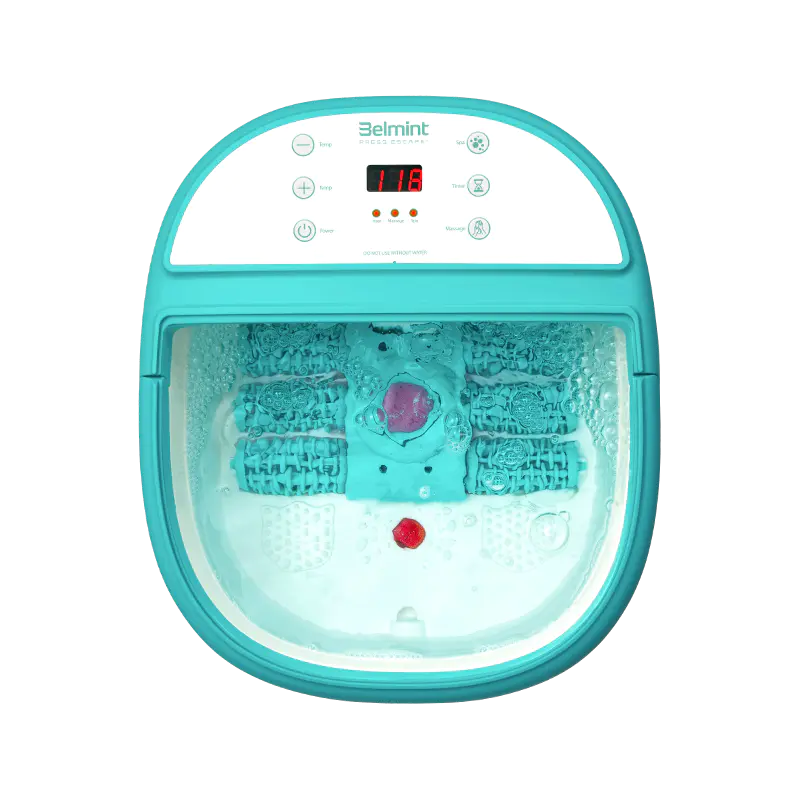
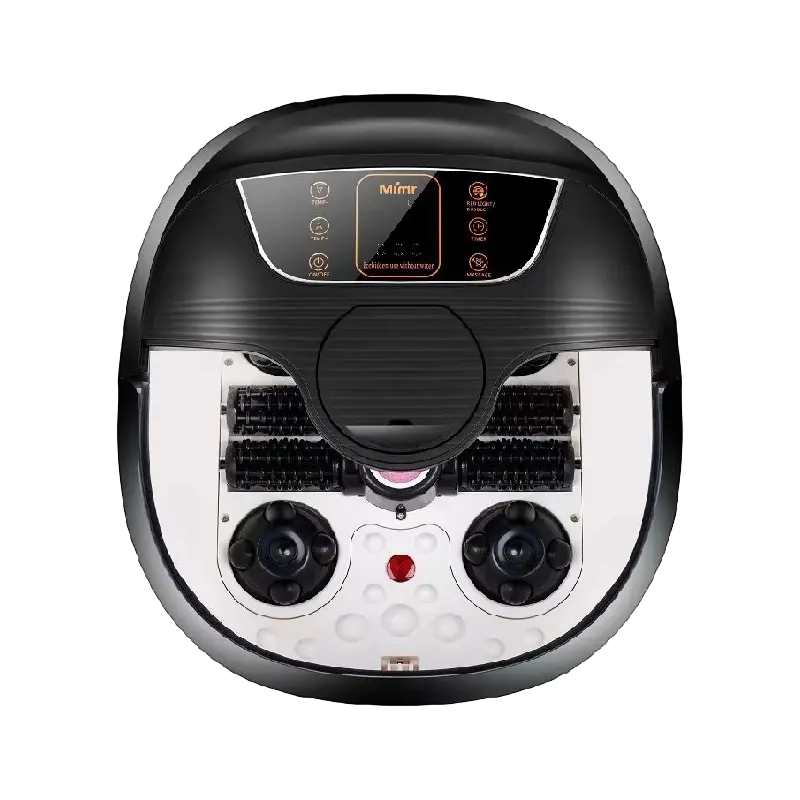
A foot spa bath massager combines several therapeutic elements that work synergistically for plantar fasciitis. Unlike a simple hand massage, it delivers consistent, hands-free treatment that can be used daily with minimal effort — which is critical for maintaining the frequency that produces results.
Heat Therapy Loosens the Fascia
Warm water immersion at 38°C to 42°C (100°F to 108°F) increases the extensibility of collagen-based tissues like the plantar fascia. Heated tissue stretches more easily and is less prone to micro-tearing during activity. Using a foot spa bath for 15 to 20 minutes before activity or stretching prepares the fascia for loading, reducing the risk of re-injury.
Hydrotherapy Reduces Inflammation
Warm water immersion promotes vasodilation, increasing blood flow to the plantar fascia and surrounding tissues. Many foot spa bath massagers also offer a bubbling or jet function — the gentle hydrostatic pressure from water movement provides a mild compression and release effect on soft tissues, helping to move interstitial fluid and reduce localized swelling around the heel.
Mechanical Massage Rollers Target Trigger Points
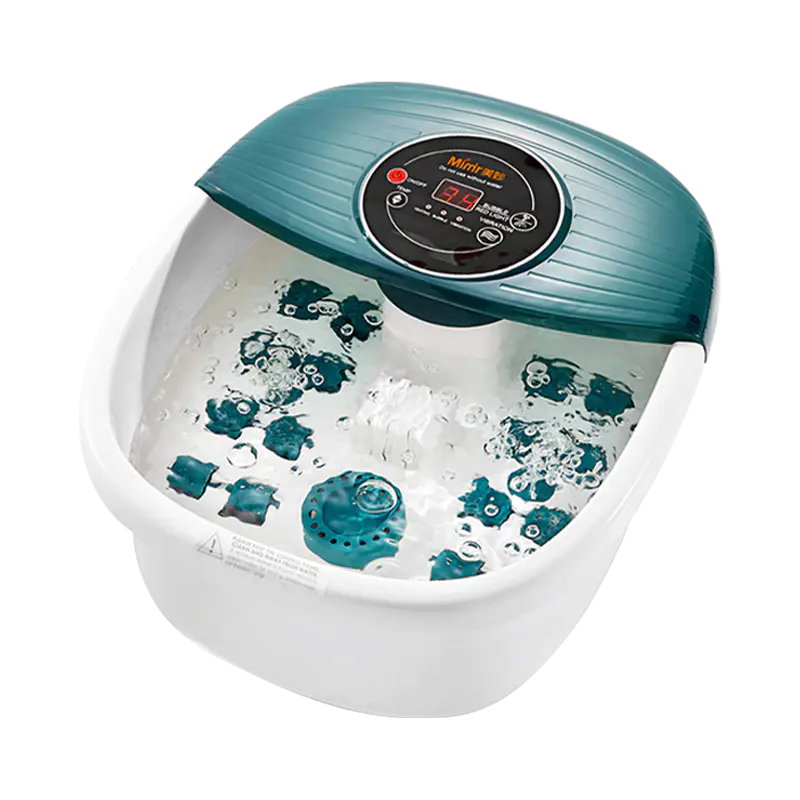
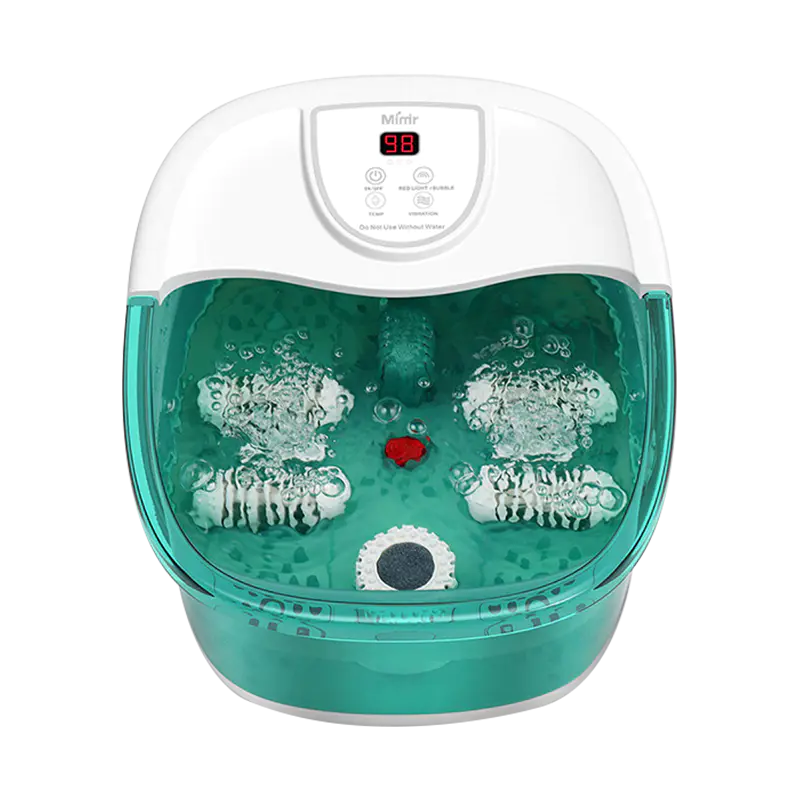
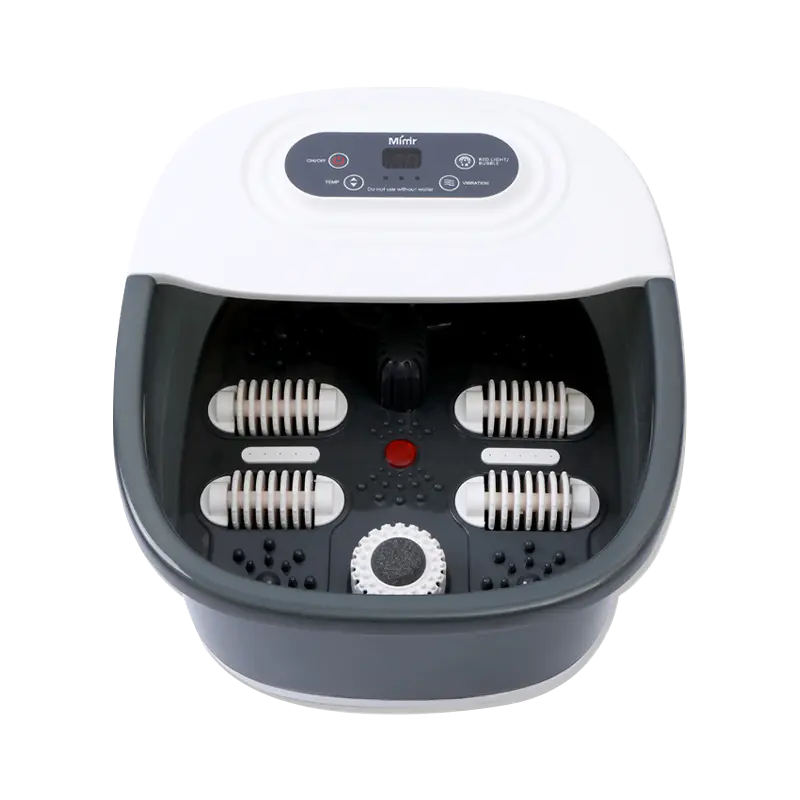
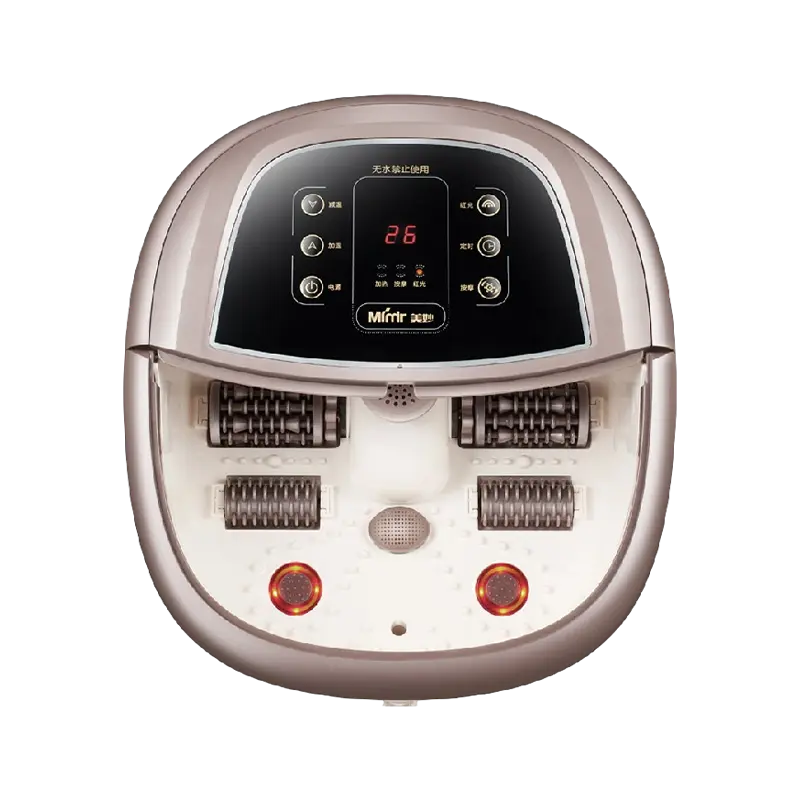
Quality foot spa bath massager units include motorized rollers or raised nodules on the basin floor that apply targeted pressure to the arch and heel as you move your foot. This simulates the deep friction massage technique used by physical therapists, reaching the plantar fascia insertion point at the heel — the exact location where pain originates in most plantar fasciitis cases.
Epsom Salt Soaks Enhance the Effect
Adding 1 to 2 tablespoons of Epsom salt (magnesium sulfate) per gallon of warm water to a foot spa bath may reduce muscle soreness and cramping. While transdermal magnesium absorption is debated in the literature, many users with plantar fasciitis report noticeable relief from Epsom salt soaks, likely from a combination of the heat, osmotic effects on swollen tissue, and the relaxation response.
Choosing the Right Foot Spa Bath Massager for Plantar Fasciitis
Not all foot spa bath massager products are equally effective for plantar fasciitis. The features that matter most for therapeutic use differ from those marketed for general relaxation:
| Feature | Why It Matters for Plantar Fasciitis | What to Look For |
|---|---|---|
| Temperature control | Precise heat application is key — too cold does nothing, too hot risks burns | Adjustable range of 35–45°C with auto-maintain function |
| Motorized massage rollers | Delivers targeted pressure to the arch and heel insertion point | Rotating rollers or textured nodules on the basin floor |
| Bubble / jet function | Provides hydrotherapy effect, reduces swelling | Adjustable bubble intensity |
| Basin depth | Deeper basins allow water to reach the ankle, improving Achilles and calf benefit | Minimum 15 cm (6 inches) water depth |
| Vibration massage | Stimulates blood flow throughout the sole and helps break up muscle tension | Multiple intensity levels |
| Timer function | Helps maintain consistent 15–20 minute sessions without overdoing it | Auto shut-off after 20–30 minutes |
A foot spa bath massager with temperature control and massage rollers is significantly more therapeutic than a basic soaking basin. The combination of heat maintenance and mechanical stimulation is what separates a genuinely useful device from one that provides only temporary comfort.
How to Use a Foot Spa Bath for Plantar Fasciitis: A Step-by-Step Routine
Consistency and timing are essential. Follow this routine to get the most therapeutic benefit from each session:
- Fill the basin with warm water at 38–42°C. Use a thermometer if your unit does not have a temperature display — this range is warm enough to increase tissue extensibility without scalding risk.
- Add Epsom salt if desired — 1 to 2 tablespoons per gallon of water. Stir to dissolve before submerging feet.
- Soak passively for the first 5 minutes with no movement. This allows heat to penetrate the tissue and begin softening adhesions before mechanical pressure is applied.
- Activate the rollers or vibration function and gently roll your foot back and forth over any massage elements, applying firm but comfortable pressure to the arch and heel. Spend extra time on tender spots.
- Continue for 15 to 20 minutes total. Longer is not significantly more beneficial and risks over-heating already inflamed tissue in acute flare-ups.
- Immediately follow with plantar fascia stretching while the tissue is warm and pliable. The towel stretch (pulling the toes back toward the shin) and calf stretches are most effective post-soak.
- Pat feet dry and apply supportive footwear — never walk barefoot on hard floors immediately after a session, as the warmed, relaxed fascia is more vulnerable to re-loading stress.
Best timing: evenings, after the day's activity. Morning use is appropriate for warming up before first steps, but evening sessions allow the tissue to recover overnight without further loading.
Massage Techniques That Work Best Alongside a Foot Spa Bath
For maximum results, combine foot spa bath sessions with these targeted self-massage methods:
Frozen Water Bottle Rolling
Roll the arch of the foot over a frozen water bottle for 5 to 10 minutes. The combination of pressure and cold reduces acute inflammation effectively. Use this technique during inflammatory flare-ups (acute phase) when heat from a foot spa bath would be contraindicated — heat on acutely inflamed tissue can worsen swelling.
Thumb Deep Friction Massage
Use both thumbs to apply deep, slow strokes along the plantar fascia from the heel to the ball of the foot. Apply firm pressure in the direction of the fibers, then cross-fiber strokes perpendicular to the fascia to break up adhesions. Do this for 3 to 5 minutes immediately after soaking while the tissue is warm.
Golf Ball or Massage Ball Rolling
Place a golf ball or firm massage ball under the foot while seated and roll it slowly under the arch, pausing on painful spots for 20 to 30 seconds. This targets trigger points in the intrinsic foot muscles that contribute to plantar fascia tension. Studies on myofascial release show that sustained pressure held for 20–30 seconds on trigger points reduces local muscle tension more effectively than brief passes.
When to Use Heat vs. Cold for Plantar Fasciitis
Many people are unsure whether to use a warm foot spa bath or cold therapy for plantar fasciitis. The answer depends on the stage of your condition:
| Stage | Signs | Recommended Therapy |
|---|---|---|
| Acute flare-up (first 48–72 hours) | Visible swelling, hot to touch, severe pain | Cold therapy only (ice pack or frozen bottle rolling); avoid warm foot spa bath |
| Subacute / chronic (beyond 72 hours) | Stiffness, dull ache, morning pain without visible swelling | Warm foot spa bath followed by stretching; most beneficial phase for heat therapy |
| Post-activity soreness | Pain after prolonged standing or exercise | Contrast therapy: 10 min warm soak, 5 min cold, repeat once |
What Foot Massage and Foot Spa Baths Cannot Do
Setting realistic expectations prevents frustration and ensures massage is used appropriately alongside other treatments:
- Massage does not correct biomechanical causes — if flat feet, overpronation, or a leg length discrepancy is driving your plantar fasciitis, massage relieves symptoms but does not address the root cause. Orthotics or gait correction are needed for lasting resolution.
- Heat therapy is contraindicated in acute inflammation — applying warm foot spa bath treatment during the first 48–72 hours of a flare-up increases blood flow to already inflamed tissue and can worsen swelling and pain.
- Results require consistency over weeks, not days — most patients see meaningful improvement after 4 to 8 weeks of daily or near-daily treatment. Sporadic use produces inconsistent results.
- Diabetic patients must use caution with heat — peripheral neuropathy associated with diabetes reduces the ability to detect burns. Diabetic individuals should limit foot spa bath temperatures to below 37°C and check the water temperature with their hand or a thermometer before use.
- Plantar fascia rupture requires medical evaluation before massage — if you heard or felt a "pop" in the heel followed by sudden severe pain, massage is inappropriate until a rupture has been ruled out by imaging.
Building a Complete Plantar Fasciitis Relief Routine
Foot massage and foot spa bath therapy deliver the best outcomes when integrated into a broader daily routine. Research consistently shows that combination therapy resolves plantar fasciitis faster than any single treatment. Here is a practical daily framework:
- Morning (before first steps) — do 2 minutes of towel stretching while still in bed; wear supportive footwear or a night splint upon waking
- Midday — calf raises and seated plantar fascia stretches (3 sets of 10); golf ball rolling for 3 to 5 minutes
- Evening — 15 to 20 minute foot spa bath massager session at 38–42°C, followed immediately by plantar fascia and Achilles stretching while tissue is warm
- Ongoing — wear supportive footwear with arch support throughout the day; avoid prolonged barefoot walking on hard surfaces
With consistent daily effort following this approach, most cases of plantar fasciitis resolve within 6 to 12 months. Approximately 90% of patients improve significantly with conservative management — and daily foot spa bath massage is among the most accessible and sustainable tools in that conservative toolkit.