

 English
 日本語
日本語 Español
 한국어
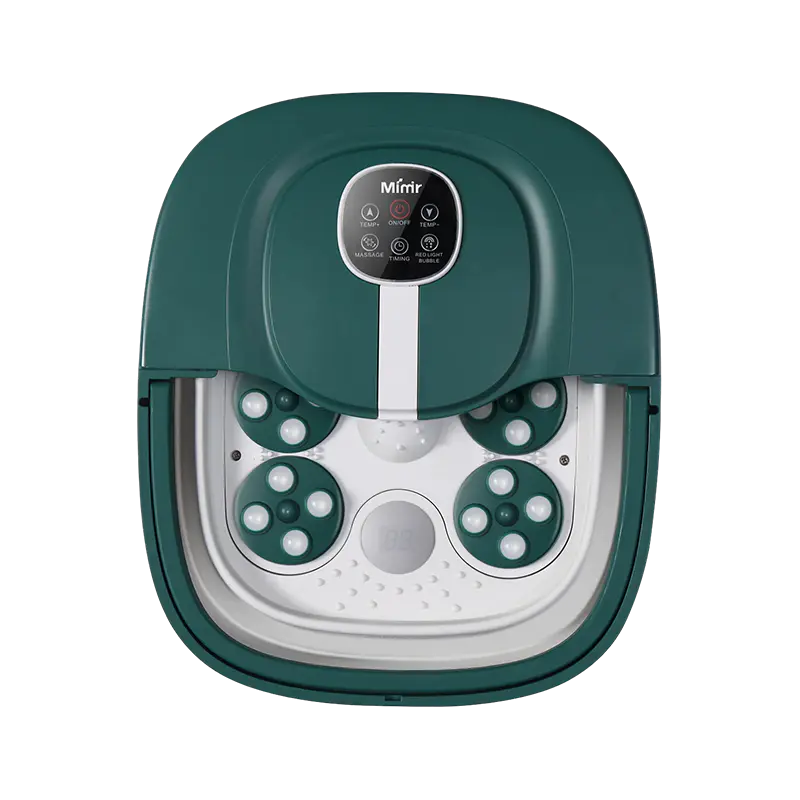
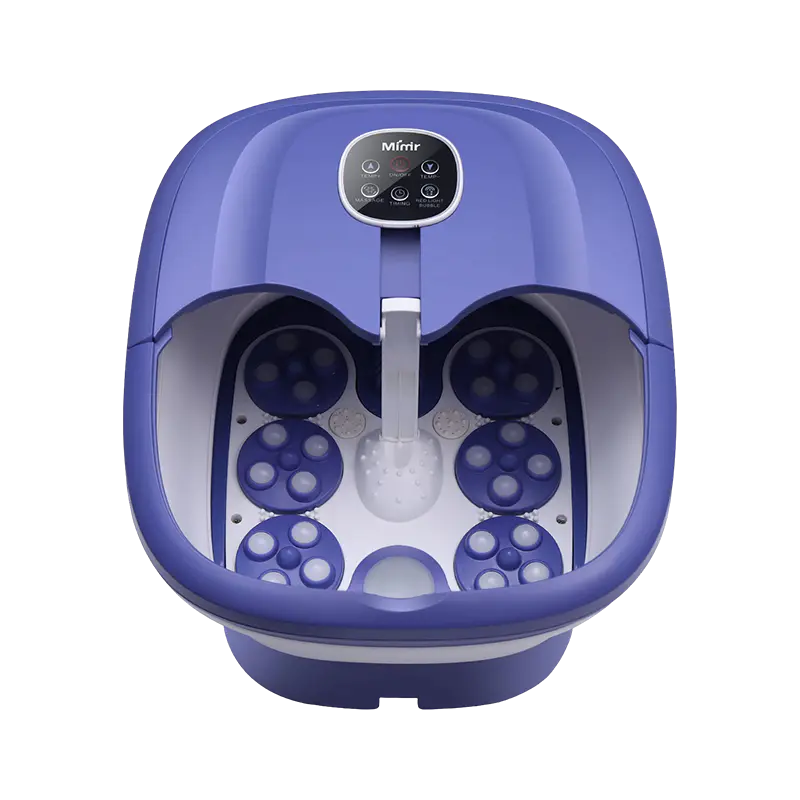
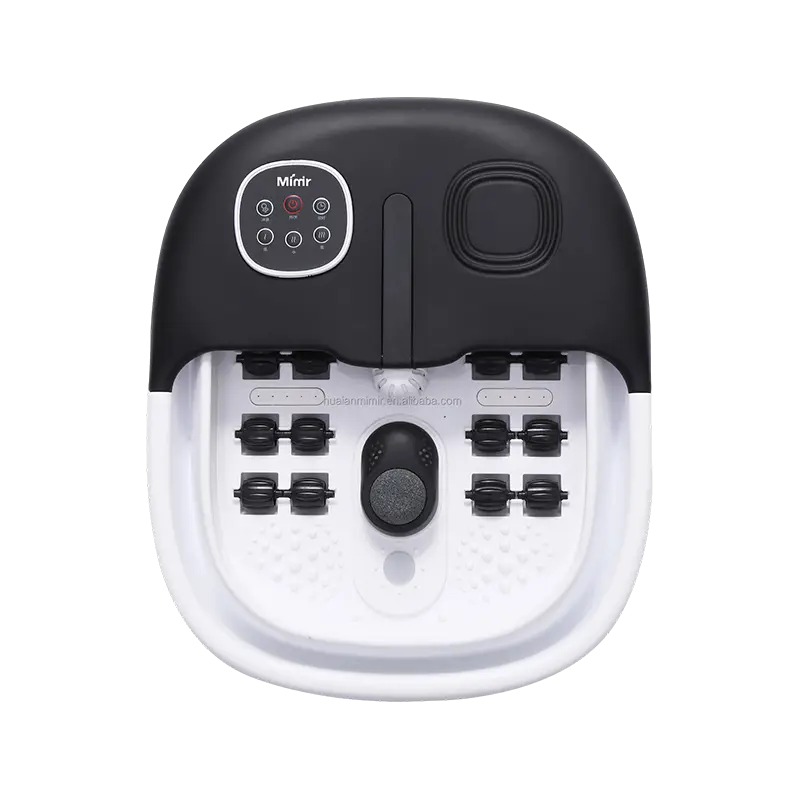
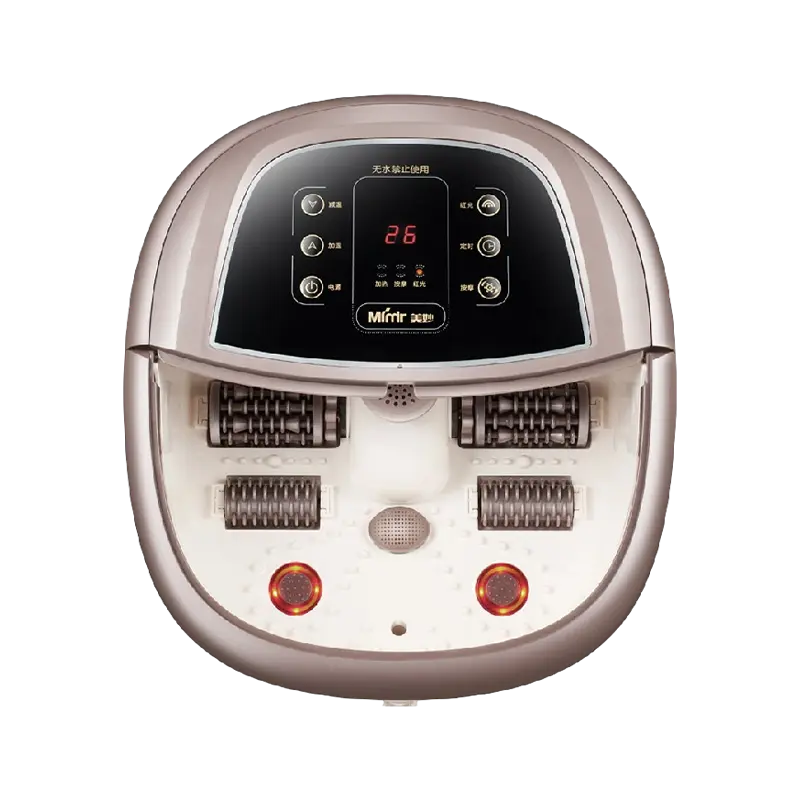
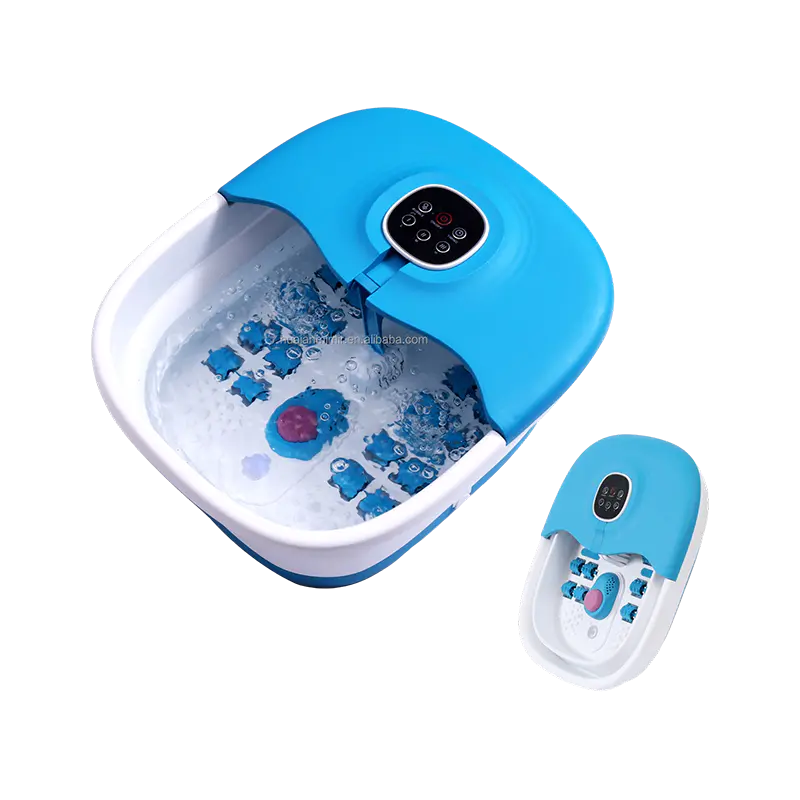
한국어An automatic massage collapsible foot spa machine is the most practical home foot care investment for people who want the therapeutic benefits of a professional foot soak and massage without the space commitment of a fixed basin. These devices combine motorized massage rollers, water heating, vibration, and bubble functions into a foldable unit that stores flat under a bed or in a cabinet when not in use. Compared to standard foot basins, automatic collapsible models deliver measurably better circulation, muscle relaxation, and fatigue relief — and the best models do it in a footprint that folds down to just 3–4 inches thick.
What Is an Automatic Massage Collapsible Foot Spa Machine?
An automatic massage collapsible foot spa machine is a motorized foot bath unit built on a folding frame that collapses for compact storage. Unlike rigid plastic foot tubs, collapsible versions use flexible reinforced sidewalls — typically thick PVC, EVA foam, or silicone-coated fabric — that fold flat when the internal frame is retracted. The "automatic massage" component refers to built-in motorized elements that work without any manual operation: massage rollers, vibration plates, and motorized bubble jets activate at the press of a button.
The key features that distinguish a fully automatic collapsible foot spa from a basic foldable foot bucket include:
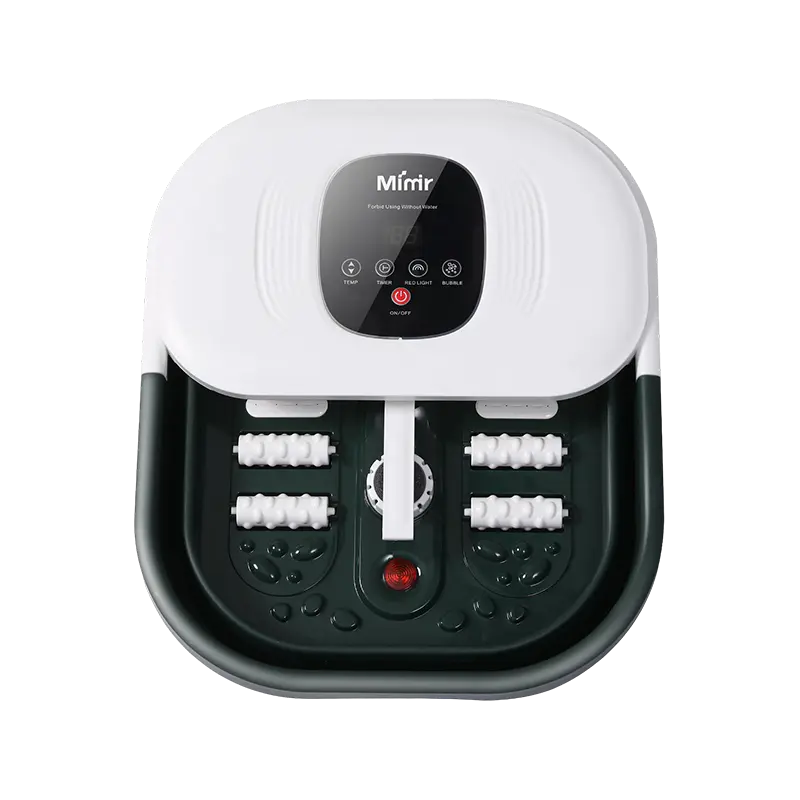
- Motorized massage rollers embedded in the base that rotate under the soles of the feet, simulating a rolling foot massage
- Heated water maintenance — a built-in heating element that keeps water at a set temperature (typically 35–48°C / 95–118°F) throughout the session
- Bubble and jet functions that aerate the water to create a gentle hydromassage effect around the feet and ankles
- Vibration massage transmitted through the base plate, adding a secondary stimulation layer to the sole and heel
- Digital control panels with timer settings, temperature adjustment, and mode selection — often with remote control on premium models
- Collapsible frame that reduces stored depth to 3–5 inches, enabling upright storage in a closet or flat storage under furniture
Key Benefits of Using an Automatic Collapsible Foot Spa Regularly
Regular foot spa sessions with an automatic machine deliver well-documented physical and psychological benefits, particularly for people who spend long hours standing, walking, or sitting at a desk.
Improved Circulation in the Lower Extremities
Warm water immersion causes peripheral vasodilation — blood vessels in the feet and lower legs expand, increasing blood flow. Research published in the Journal of Physiological Anthropology found that foot bath immersion at 40°C for 30 minutes increased skin blood flow by over 200% compared to baseline. Combined with roller massage and vibration, this effect is amplified, making automatic foot spas particularly beneficial for people with cold feet, mild oedema, or desk-bound lifestyles.
Relief from Plantar Fasciitis and Foot Pain
The motorized rollers in an automatic foot spa apply targeted pressure to the plantar fascia — the band of tissue running along the sole — which is the primary pain site in plantar fasciitis, the most common cause of heel pain affecting approximately 10% of the general population. Heat softens the fascia and reduces morning stiffness, while rolling massage improves tissue flexibility. A 20-minute session before bed has been shown in small clinical studies to reduce morning heel pain scores significantly when performed consistently over 4–6 weeks.
Stress Reduction and Sleep Quality Improvement
The feet contain a high density of nerve endings, and foot massage stimulates the parasympathetic nervous system — the "rest and digest" response. Studies have measured a 10–15% reduction in cortisol levels following 20-minute foot massage sessions. The warm water component further promotes relaxation by lowering core temperature slightly after the session ends, which is a known physiological trigger for sleep onset. Many users report that a 20–30 minute evening foot spa session improves both sleep onset time and sleep quality.
Softening of Calluses and Improved Foot Hygiene
Prolonged warm water immersion softens hardened skin, making callus removal with a pumice stone or foot file significantly more effective. Many automatic collapsible foot spas include pumice stone attachments or detachable scrubber surfaces. Regular sessions also reduce foot odour by eliminating bacteria that thrive in dry, warm conditions inside shoes.
Collapsible vs. Rigid Foot Spa: Which Is the Better Buy?
Both collapsible and rigid foot spa machines can deliver excellent massage performance, but they suit fundamentally different lifestyles. The table below helps clarify the decision.
| Factor | Collapsible Foot Spa | Rigid Foot Spa |
|---|---|---|
| Storage space required | 3–5 inches collapsed | 8–12 inches (fixed shape) |
| Portability / travel use | High — folds into a bag | Low — bulky, difficult to transport |
| Water capacity | 4–8 litres (varies by model) | 5–10 litres |
| Massage feature quality | Good to excellent (varies by model) | Good to excellent |
| Setup and fill time | 2–3 minutes | 1–2 minutes |
| Durability | Moderate (frame joints are wear points) | High (solid construction) |
| Typical price range | $35–$120 | $40–$200+ |
| Best for | Small homes, apartments, travel | Dedicated home spa spaces |
For most users living in apartments or smaller homes, the collapsible format wins on practicality — the massage performance gap between collapsible and rigid models has narrowed significantly in recent years, with premium collapsible units matching rigid machines feature for feature.
What to Look for When Buying an Automatic Collapsible Foot Spa
With dozens of models available at a wide range of price points, knowing which specifications actually matter prevents wasted money on features that sound impressive but deliver little practical benefit.
Heating Element Power and Temperature Range
A heating element rated at at least 500–600 watts is needed to heat water effectively and maintain temperature during a session. Underpowered models (under 400W) often struggle to heat water above 38°C and lose temperature rapidly in cool rooms. Look for a temperature range of at least 35–48°C with digital control, so you can dial in your preferred warmth precisely. The therapeutic sweet spot for foot soaking is 38–42°C — warm enough to promote vasodilation without risk of burns.
Massage Roller Design and Motor Quality
The massage rollers are the defining quality differentiator among automatic foot spas. Low-cost models use static acupressure nodules that require the user to manually rub their feet against them — these are not truly "automatic." Genuine automatic models have motorized rotating rollers driven by an electric motor, typically positioned under the arch and heel areas. Look for rollers with variable speed settings and a motor rated for continuous operation (not just intermittent use) if you plan on regular 20–30 minute sessions.
Basin Material and Structural Stability
The collapsible basin material determines both water-tightness and longevity. Food-grade PVC or medical-grade silicone liners are the safest options — they resist heat, are easy to clean, and don't leach chemicals into the warm water. Avoid models with thin uncoated fabric liners, which can develop pinhole leaks at fold creases within months of regular use. The structural frame should be made from stainless steel or reinforced ABS plastic — aluminum frames are lightweight but can corrode with repeated water exposure.
Bubble and Jet Functions
Bubble functions aerate the water by pumping air through small holes in the base, creating a gentle effervescence around the feet. This is pleasant but relatively low-impact therapeutically. More effective are directional water jets — found on mid-range and premium models — which shoot focused streams of water against specific areas of the foot and ankle. If circulation improvement is a priority, models with targeted jet functions are worth the additional $20–$40 cost premium over bubble-only models.
Drain Plug and Emptying Design
A commonly overlooked feature is how you empty the basin after use. Models with a rear drain plug and hose attachment allow you to drain directly into a bath or sink without lifting a heavy water-filled basin. This is especially important for older users or anyone with back or shoulder issues — a full foot spa basin can weigh 8–12 kg (18–26 lbs) when filled, making lift-and-carry emptying impractical.
Safety Certifications
Because foot spa machines combine water and electricity, safety certification is non-negotiable. In the US, look for ETL or UL listing; in Europe, CE marking with IPX4 or higher waterproof rating for the electrical components. Avoid uncertified models sold without any safety marking — electrical faults in wet environments carry serious risk of shock.
How to Use an Automatic Collapsible Foot Spa for Best Results
Getting the most therapeutic benefit from your foot spa requires more than simply filling it with water. Follow this step-by-step routine to maximize every session.
- Set up on a stable, level surface. Place the expanded basin on the floor in front of a comfortable chair. Ensure the power cord reaches the outlet without being stretched — tripping on the cord mid-session is a common and avoidable hazard.
- Fill with warm water to the marked fill line. Most models have a MIN and MAX fill indicator. Overfilling causes spillage when your feet enter; underfilling reduces the effectiveness of the bubble and jet functions. Typical fill volume is 4–7 litres.
- Add optional enhancements before powering on. Epsom salt (1–2 tablespoons) helps reduce inflammation and soften skin. Essential oils like peppermint or lavender enhance relaxation — add 3–5 drops. Do not use bath bombs or thick bath oils as these can clog jet nozzles.
- Set your desired temperature and activate massage modes. Begin with a lower temperature (38°C) and increase gradually as you acclimatise. Start with vibration and bubbles for the first 5 minutes before activating rollers.
- Soak for 20–30 minutes. This is the optimal duration for therapeutic benefit. Sessions under 15 minutes may not allow sufficient tissue warming; sessions over 45 minutes provide diminishing returns and may cause skin maceration.
- Use the pumice stone or scrubber attachment in the final 5 minutes while skin is fully softened for effective callus removal.
- Drain, rinse, and dry thoroughly after each use. Residual moisture inside a collapsed basin promotes mildew growth. Leave the basin partially open to air-dry before folding for storage.
Additives That Boost Your Foot Spa Session
The right additives can transform a basic warm water soak into a targeted therapeutic treatment. Here are the most effective options and what each one does:
- Epsom salt (magnesium sulfate): 1–2 tablespoons per session. Magnesium is absorbed transdermally through warm water, helping reduce muscle cramps and inflammation. Particularly beneficial after exercise or long periods of standing.
- Peppermint essential oil: 3–5 drops. Menthol creates a cooling-then-warming sensation that relieves foot fatigue and has mild analgesic properties. Also combats foot odour effectively.
- Lavender essential oil: 3–5 drops. A well-researched anxiolytic — studies show inhaling lavender during a warm bath reduces anxiety and promotes sleep onset. Ideal for evening sessions.
- Tea tree oil: 2–3 drops. Natural antifungal and antibacterial — effective for mild athlete's foot and foot odour caused by bacterial overgrowth.
- Apple cider vinegar: 2–3 tablespoons. Mildly acidic, helps restore skin pH balance and is a traditional remedy for nail fungus and cracked heels.
- Baking soda: 1 tablespoon. Softens skin and neutralises odour-causing acids on the foot surface. A good option for very dry, rough feet.
Note: Never add undiluted essential oils directly to the water near jet nozzles in large quantities — always dilute and add the recommended small amounts to avoid damaging pump mechanisms over time.
Who Should — and Should Not — Use an Automatic Foot Spa
Automatic collapsible foot spas are safe and beneficial for most adults, but certain conditions require caution or preclude use entirely.
Who Benefits Most
- People who stand or walk for extended periods at work — nurses, retail staff, teachers, factory workers
- Athletes and active individuals with post-exercise foot and calf soreness
- Older adults experiencing poor circulation, stiff joints, or general foot discomfort
- People with plantar fasciitis, heel spurs, or general arch pain
- Anyone experiencing stress, anxiety, or sleep difficulties seeking a low-cost relaxation routine
Who Should Consult a Doctor Before Use
- Diabetics: Peripheral neuropathy can prevent sensation of water temperature, creating a burn risk. Diabetics should use a thermometer to verify water temperature and limit temperature to 37–38°C maximum.
- People with deep vein thrombosis (DVT): Warming the lower extremities can increase blood flow in a way that may dislodge clots. Medical clearance is essential.
- Pregnant women: Hot foot soaks are generally considered safe in moderation during pregnancy but very high temperatures should be avoided, especially in the first trimester.
- People with open wounds, infections, or severe varicose veins on the lower legs should avoid use until healed.
Cleaning and Maintaining Your Collapsible Foot Spa
Proper maintenance extends the lifespan of your machine and prevents hygiene issues that can make foot spa sessions counterproductive.
- After every session: Drain completely, rinse with clean water, and wipe the interior with a clean cloth. Remove and rinse any detachable roller or scrubber attachments separately.
- Weekly deep clean: Fill with cool water and add 2 tablespoons of white vinegar. Run the machine for 5 minutes to flush jet nozzles and roller mechanisms, then drain and rinse. This removes mineral deposits from hard water and prevents bacterial biofilm buildup.
- Inspect the power cord and plug monthly for any signs of fraying, cracking, or discolouration. Water-related electrical damage is not always visible — replace immediately if the cord feels warm during operation.
- Check frame hinges and liner seams every few months for micro-tears or weakening. Address early with waterproof seam sealer tape before leaks develop.
- Store fully dry and partially open — never fold and store while damp. A breathable storage bag rather than a sealed plastic one allows any residual moisture to evaporate.
Is an Automatic Collapsible Foot Spa Worth the Investment?
At a price range of $35–$120 for quality models, an automatic collapsible foot spa pays for itself quickly compared to professional foot spa treatments, which typically cost $30–$60 per session at a nail salon or wellness center. Even two professional sessions per month represent a $60–$120 monthly expenditure — equivalent to buying a quality home machine that delivers daily sessions for years.
The collapsible format specifically makes the investment sensible for a far larger portion of the population than fixed rigid models — anyone in an apartment, a shared home, or a space-conscious living situation can own and use a high-quality automatic foot spa daily without sacrificing storage space. For people managing chronic foot pain, poor circulation, or high daily stress levels, a well-chosen automatic collapsible foot spa machine is one of the most cost-effective daily wellness tools available.