

 English
 日本語
日本語 Español
 한국어
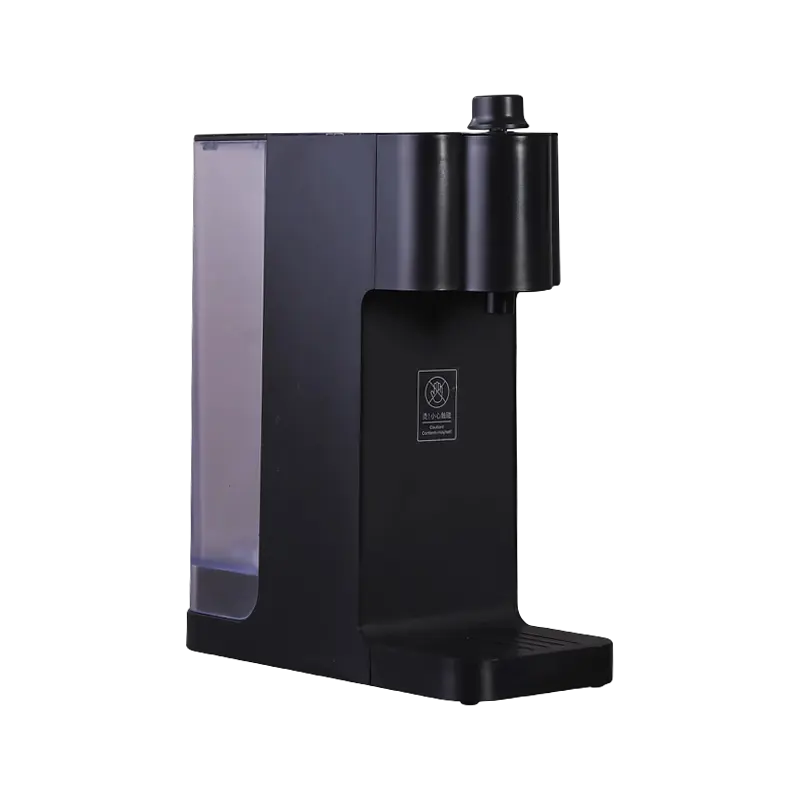
한국어A water dispenser machine is an appliance that delivers hot and/or cold drinking water on demand, either from a refillable bottle or connected directly to a water line, so you get instant access to the temperature you need without boiling a kettle or waiting for the fridge to chill a pitcher. The right choice comes down to three decisions: bottled or bottleless, top-load or bottom-load, and how much automation — such as touchless sensors and child locks — you want built in. Below, we compare the main types side by side, explain what "hot and cold" and "automatic" actually mean in practice, and lay out the trade-offs in cost, convenience, and maintenance for each.
The Two Main Water Dispenser Categories
Every water dispenser machine falls into one of two broad categories based on where its water comes from.
Bottled water dispensers
These units hold a removable 3- or 5-gallon jug and chill or heat the water inside as it's drawn from the bottle. They require no plumbing installation, which makes them the simplest option to set up in a kitchen, office corner, or rental home.
Bottleless (point-of-use) dispensers
A bottleless, or point-of-use (POU), dispenser connects directly to an existing water line and filters tap water as it passes through, giving you a continuous supply without ever storing or lifting a bottle. Point-of-use models typically cost more upfront than bottled units because of their built-in filtration system, but they eliminate the recurring cost of bottle delivery and the physical hassle of bottle changes entirely.
Top-Load vs. Bottom-Load: Where the Bottle Sits
Within the bottled category, the biggest practical difference is whether you lift the jug up or slide it in at floor level.
A top-load dispenser sits the jug upside-down on top of the unit and uses gravity to feed water into the internal reservoir — no pump, no motor, and nothing extra to maintain. A bottom-load dispenser instead places the bottle in a concealed cabinet near the floor, where a small internal pump draws water up to the hot and cold reservoirs each time you dispense.
| Feature | Top-Load | Bottom-Load |
|---|---|---|
| Water flow mechanism | Gravity-fed, no pump | Internal electric pump |
| Bottle changing effort | Lift a full jug overhead | Slide bottle in at floor level |
| Typical price range | $80–$200 | Generally higher due to the pump |
| Water level visibility | Easy to see remaining water | Hidden; relies on empty-bottle indicator |
| Cleaning and maintenance | Simpler, fewer parts | More components to service over time |
Top-load units remain the cheaper, lower-maintenance option since they have no pumps or motors to fail, while bottom-load models trade a bit of added complexity for a cleaner look and the elimination of heavy overhead lifting — a meaningful factor for anyone lifting a 40-plus-pound jug regularly.
What "Hot and Cold Water Dispenser" Actually Means
Nearly every modern water dispenser machine on the market now offers both hot and cold output, and many add a third, room-temperature setting. Internally, the unit splits incoming water into two separate reservoirs: one is actively chilled, the other actively heated, so both temperatures are ready the instant you press a button or lever — no waiting for a kettle to boil or ice to form.
Because the hot spout can reach near-boiling temperatures, hot-and-cold units almost always include a dedicated safety feature for that side of the machine:
- Child safety lock — a physical or button-combination lock on the hot water spout specifically, since the cold and room-temperature sides pose no burn risk
- Rear power switch for hot water — many models let you disable the heating function entirely from a switch on the back panel
- Push-and-hold or two-step dispensing — requiring a deliberate action rather than a single light touch to release hot water
If young children are in the home, look specifically for a lock rated to hold under repeated pressure and confirm during setup that it engages every time — a lock that only works intermittently offers little real protection.
Automatic Water Dispenser Features Worth Knowing
"Automatic" on a water dispenser can refer to several different conveniences, and it's worth knowing which one a given product is actually advertising.
- Touchless (sensor-activated) dispensing — a motion sensor detects your cup and releases water automatically, or you wave a hand in front of the panel to trigger it, cutting down on shared touch points and mess from overfilled cups
- Automatic bottle-empty alert — an LED indicator or light lets you know the bottle needs replacing before you're left without water mid-use
- Self-cleaning cycles — some bottom-load and bottleless models run a UV or ozone sanitizing cycle automatically on a schedule, reducing the need for manual reservoir cleaning
- Automatic internal water pumping — the pump inside a bottom-load unit that draws water up from the lower bottle compartment on demand
Touchless sensor technology has become especially common in offices, schools, and gyms, where reducing shared contact points on a frequently used appliance is a genuine hygiene benefit rather than just a marketing feature.
Matching a Dispenser to Your Space and Usage
The best type of water dispenser depends heavily on where it will live and how many people will use it daily.
- Small households or apartments — a compact top-load or countertop unit keeps footprint small and cost low, since heavy daily bottle changes are less of a burden with lower overall consumption
- Busy family kitchens — a bottom-load model with a child safety lock and empty-bottle alert balances convenience with safety for households with kids underfoot
- Offices and high-traffic spaces — a bottleless point-of-use unit avoids the logistics of frequent bottle deliveries and scales easily to constant use throughout the day
- Schools, gyms, and public facilities — touchless, sensor-activated dispensing reduces shared contact points across many daily users
Also check the certifications on the unit before buying — look for NSF certification and an Energy Star rating, which together confirm the dispenser meets recognized standards for water-contact safety and energy efficiency.
Keeping a Water Dispenser Running Cleanly
A water dispenser sits in constant contact with drinking water, so a bit of routine care keeps it hygienic and functioning correctly.
- Wipe down the spouts and drip tray regularly, since these surfaces are the most frequently touched points on the machine.
- Sanitize the internal reservoir every one to three months, or rely on a built-in self-cleaning cycle if the model includes one.
- Replace filters on any bottleless or filtered unit according to the manufacturer's schedule — a saturated filter stops removing contaminants effectively even though water still flows normally.
- Empty and rinse the drip tray to prevent standing water and mineral buildup around the base.
- Position the unit away from direct sunlight and heat sources, which can encourage bacterial growth inside a bottled reservoir faster than expected.
Skipping these steps doesn't just risk odor or taste issues — a neglected reservoir is one of the more common, avoidable sources of contamination in an otherwise well-designed appliance.