

 English
 日本語
日本語 Español
 한국어
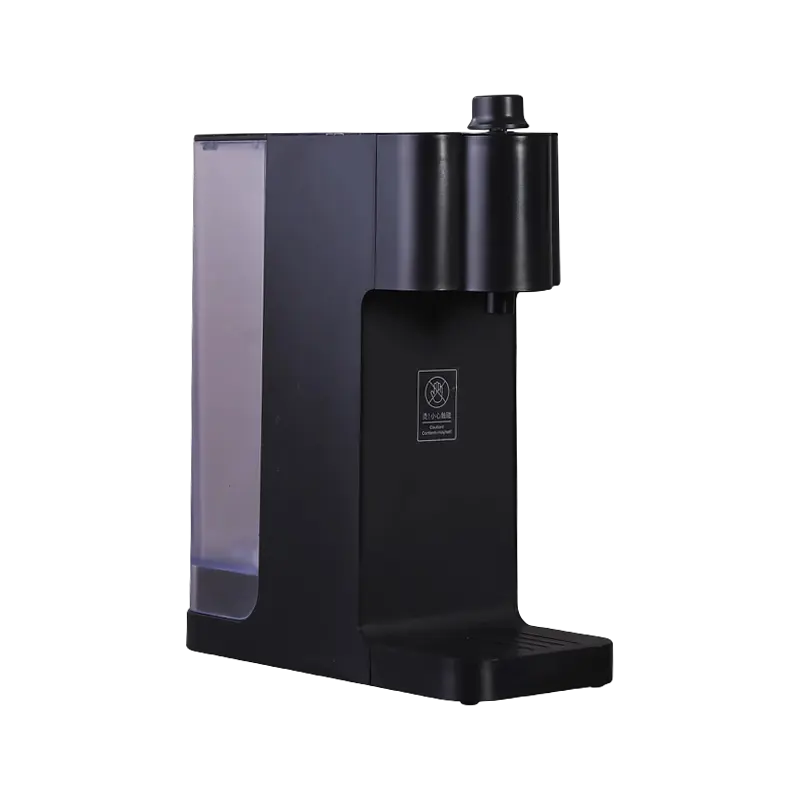
한국어An instant hot water dispenser delivers near-boiling water — typically 90°C to 98°C (194°F–208°F) — within 3 to 15 seconds of pressing a button, because it keeps a small insulated tank pre-heated at all times instead of boiling water from scratch on demand like a kettle does.
That standby-heat design is the whole trade-off in one sentence: you give up a small amount of constant, low-level electricity draw in exchange for eliminating the 3–5 minute wait every single time you need hot water. For households or offices making more than a few hot drinks a day, that trade consistently comes out ahead on both time and total energy cost, based on the data below.
How an Instant Hot Water Dispenser Actually Heats Water
The name is slightly misleading — nothing is heated "instantly" from cold. Instead of boiling a large tank of water and keeping it hot for hours, which uses lots of electricity, an instant hot water dispenser heats just the water you need, often in less than 10–15 seconds. That speed comes from one of two engineering approaches, and knowing which one a unit uses tells you a lot about its running cost and footprint.
Tank-based systems are the most common design in kitchens and offices. Instant water dispensers have a thermostat that automatically shuts off the heating element once the water in the tank reaches the set temperature, and that tank sits pre-heated and ready around the clock. The unit shouldn't be plugged in until there is a full tank of water to heat, and it typically takes between 5 and 10 minutes for the water to reach the necessary temperature after first setup.
Flash-heating systems, found in newer countertop digital models, use a high-wattage element or smart chip that heats water as it passes through, rather than storing a hot reserve. These units are equipped with multiple sensors measuring temperature and water flow, and a smart chip automatically adjusts heating power based on real-time sensor data to achieve precise temperature control.
What "instant" really means in practiceManufacturer testing shows real-world speed varies by design: some models advertise just 3 seconds to dispense fully boiled water, while others describe a range of under 10–15 seconds depending on tank temperature and output volume. Either way, it's a fraction of a kettle's boil time.
Temperature Range and Why Adjustability Matters
Not every hot drink or task needs boiling water — and pouring 100°C water onto delicate green tea or baby formula actually ruins the result. This is where dispenser temperature control becomes a functional feature, not a gimmick.
| Use Case | Recommended Temperature | Why This Range |
|---|---|---|
| Baby formula preparation | 45°C | Matches body-safe mixing temperature without waiting for water to cool |
| Instant coffee / blends | 90°C–95°C | Extracts flavor without scalding delicate instant blends |
| Tea (most varieties) | 170°F–210°F (77°C–99°C) | Prevents bitterness in green/white tea while still working for black tea |
| Pour-over coffee / French press | Around 205°F (96°C) | Near-boiling is needed for full extraction from ground coffee |
| General hot water / cooking | 95°C | Full-strength hot water for instant noodles, soups, and cleaning |
Higher-end digital models allow temperature adjustment in 1°C increments across a 45°C to 90°C range, giving four default presets for room temperature, baby formula, tea, and hot water so the whole family's needs are covered without manual guesswork.
Energy Cost: Dispenser vs. Kettle, With Real Numbers
The most common objection to an always-warm tank is standby power waste. The data doesn't support that concern as strongly as intuition suggests — the comparison depends heavily on how often hot water is actually used.
| Metric | Electric Kettle | Instant Hot Water Dispenser |
|---|---|---|
| Time per use | 3–5 minutes to boil | Under 15 seconds |
| Energy per boil | A 2-litre, 3kW kettle uses about 0.225kWh per full boil, roughly 8p worth of electricity | Comparable units use as little as 0.066kWh per hour of operation |
| Daily active-use consumption | 184–233 Wh across several uses in 24 hours (comparable dispenser range cited for context) | 184–233 Wh across several uses in 24 hours, with standby usage as low as 6.5–17.1 Wh |
| Standby-only draw | N/A (off between uses) | Roughly 0.066kWh in standby mode, costing just over 2p per hour, or around 16p per day |
| Annual running cost estimate | About $32/year boiling a full kettle a couple of times daily | Just over $27/year in independent testing, plus roughly $1.80/year in standby draw |
Where the real savings show upStandby power can account for 5%–10% of total household electricity use, so for occasional, low-frequency use, a kettle can actually be more efficient. But kettles waste roughly 30% of their energy reheating water that has already cooled, and the average household typically boils enough for 1.5 cups while heating enough for 4 — meaning frequent users lose far more to reheating and overfilling than a dispenser ever loses to standby heat.
Choosing the Right Tank Size and Output Capacity
Capacity determines whether a dispenser can actually keep up with real household or office demand — undersizing it is the single most common buyer regret.
- Solo users or small kitchens: A 1–1.5L tank is usually enough for individual daily use.
- Families: Larger tanks in the 2L–5L range suit bigger households with multiple daily hot-water needs.
- Small offices (up to 10 people): A standard hot water dispenser can provide up to 28 litres of 96°C water every hour, which comfortably covers a shared office kitchen.
- Heavier household or shared use: Wattage matters as much as tank size — a 750-watt, half-gallon tank produces up to 60 cups of hot water per hour, while higher-wattage tanks can deliver up to 100 cups per hour.
Countertop vs. Under-Sink: Picking the Right Format
The two installation formats solve different problems, and the right choice usually comes down to plumbing access and how permanent the setup needs to be.
Countertop / Portable Units
- No hot tank storage — heats a small amount of water very quickly, reducing power consumption but requiring frequent refills for larger quantities.
- No plumbing or installation required; can be moved between rooms or taken to a new home.
- Best fit for apartments, dorms, or anyone who wants zero installation commitment.
Under-Sink / Plumbed Units
- Plumbed directly into the water supply and heated in an under-sink or over-counter tank, with hot water dispensed through a dedicated faucet.
- Can produce large amounts of hot water on demand with no refilling needed, though installation requires plumbing work and is not portable.
- Premium models can automatically sense altitude and set the maximum safe near-boiling temperature without manual adjustment.
Installation and First-Use Timeline
For plumbed units, setup follows a consistent sequence, and skipping steps is the most common cause of early leaks or inconsistent temperature.
- Turn off the water supply before starting any connections.
- Fill the tank first by turning on the cold water supply and holding the hot faucet handle open until the tank fills completely — do not plug in the unit until this is done.
- Run the faucet for 3 minutes to flush the system and confirm all connections are watertight.
- Once flushed, plug in the tank — expect 10 to 15 minutes for the water to reach its target temperature on first heat-up, and some dripping from the faucet during this first cycle is normal.
Features Worth Prioritizing When Comparing Models
- Built-in filtrationRemoves impurities like chlorine, lead, and bacteria for cleaner-tasting hot water straight from the tap.
- Multi-level temperature presetsLook for at least 5–8 temperature settings and multiple volume options to cover coffee, tea, formula, and cooking needs from one unit.
- Thermal fuse / overheat protectionThe tank should be protected from overheating by a replaceable thermal fuse, which prevents damage if the thermostat malfunctions.
- Stainless steel interior tankStainless steel tanks last significantly longer than lower-priced models built with a rubber bladder tank.
- Dry-burn and child-lock safety featuresLook for dry burn protection and child lock features, especially in households with young children near the dispenser.
- Auto-cleaning functionAn intelligent one-key cleaning cycle means no manual disassembly is needed to keep the internal tank sanitary.
Frequently Asked Questions
Is an instant hot water dispenser safe to leave plugged in all the time?
Yes, this is how they're designed to operate. Well-insulated tanks are engineered to reduce standby heat losses for lowest power consumption, and features like dry burn protection and temperature alerts are standard safety measures for continuous operation.
Can I get water hot enough for pour-over coffee?
Yes, on most adjustable units. For a pour-over coffee or French press, the ideal brewing temperature is closer to 205°F (96°C), which falls within the standard output range of most tank-based and digital dispensers.
How long does a tank actually stay hot without being used?
Once a dispenser reaches its target temperature, it will maintain that heat all day, even while the unit sits in standby mode, thanks to insulation designed specifically to minimize heat loss between uses.
Is a dispenser worth it if only one or two people use it?
It depends on frequency, not just household size. For occasional use, a kettle can be the smarter choice, but for daily, multiple-times-a-day hot water needs, a compact 1–1.5L countertop model is usually sufficient and avoids repeated kettle reheating cycles.
Complete Your Kitchen and Wellness Setup
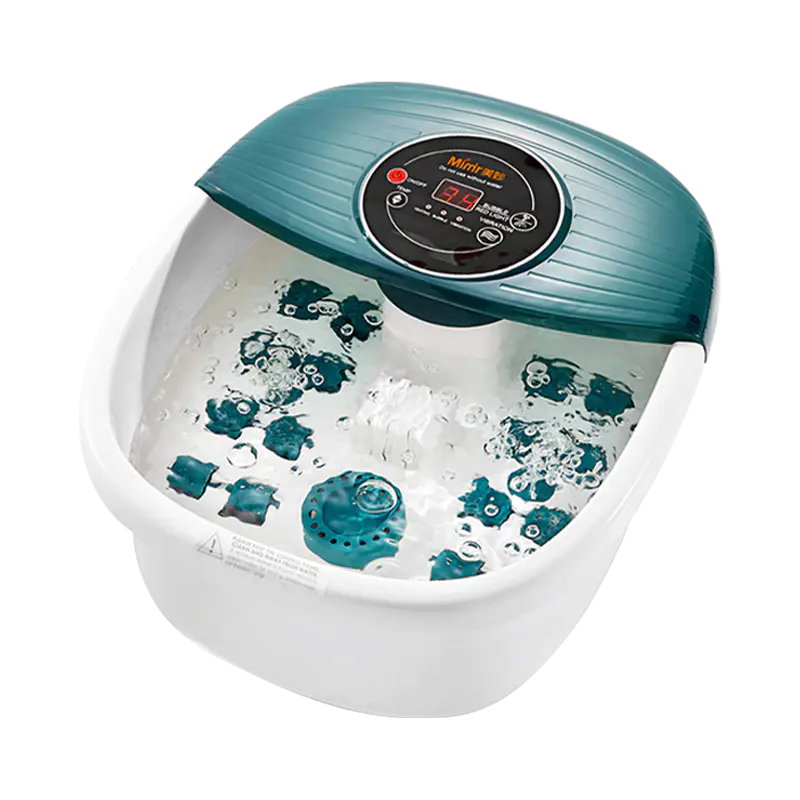
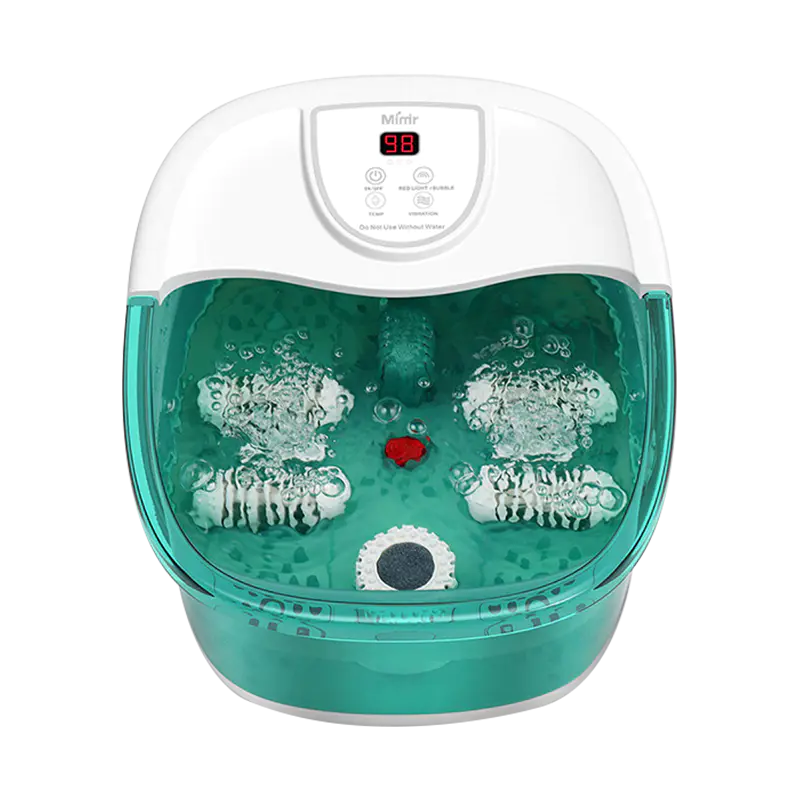
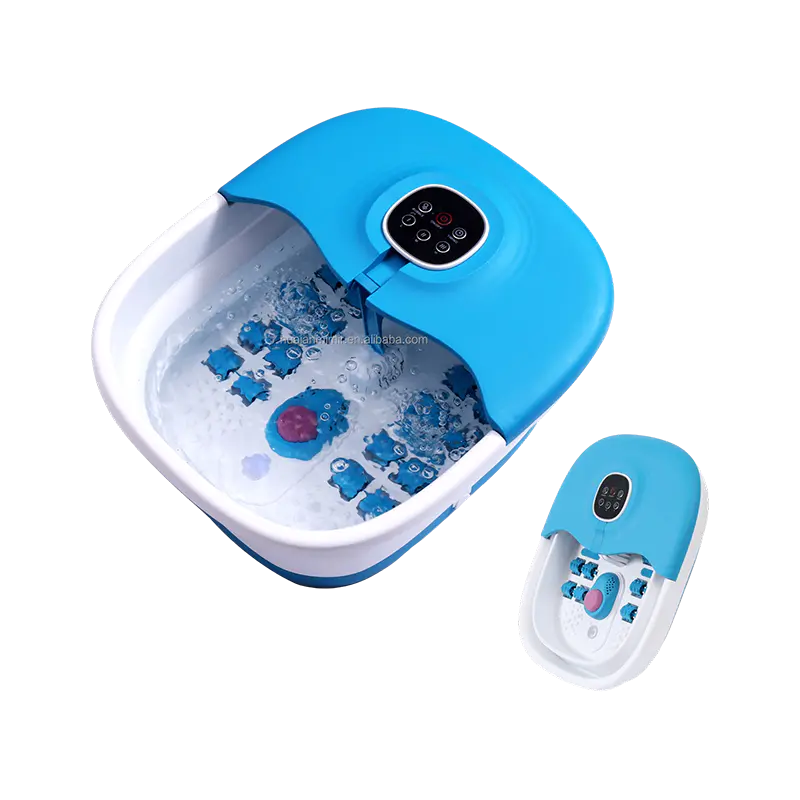
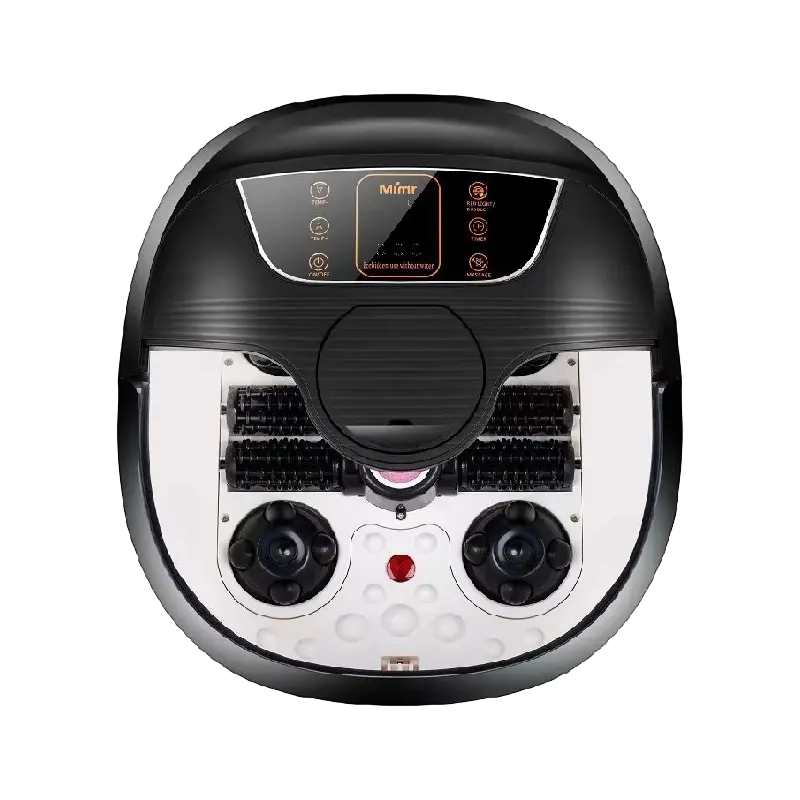
Alongside our Water Dispenser and Ice Maker lineup, we carry Foot Spa Bath Massagers, Collapsible Foot Spa Baths, and Bath Jet Spas — everyday appliances designed to bring convenience and comfort into daily home routines, from the kitchen counter to the bathroom.