

 English
 日本語
日本語 Español
 한국어
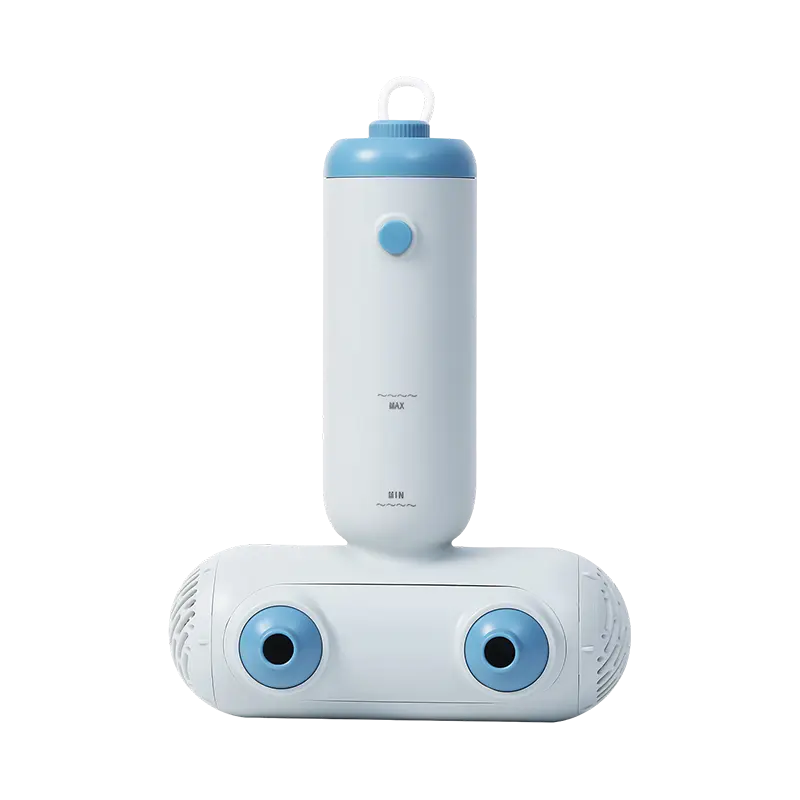
한국어A dual jet bath spa is a portable, clip-on unit that hangs over the edge of a standard bathtub and uses two intake valves plus a small motor to push a continuous, adjustable stream of water and bubbles through two multidirectional nozzles — turning an ordinary tub into a hydro-massage bath without any plumbing work. It costs a fraction of a built-in whirlpool tub, sets up in minutes, and is removed and stored after each use.
Anyone who has priced out a whirlpool tub installation knows the numbers get uncomfortable fast: demolition, new plumbing, an electrician, and a bathtub that can no longer be removed once it's in. A dual jet bath spa sidesteps all of that by turning the bathtub you already own into the source of the massage, rather than replacing it. It's a genuinely different category of product from a built-in system, and understanding how the two-jet mechanism actually functions — not just that it exists — is what separates a satisfying purchase from a returned box.
How the Two Jets Actually Create the Massage
The unit clips or suction-mounts to the side of the tub with the intake section submerged below the waterline. Two intake valves draw bath water in, a small electric motor pressurizes it, and the water is pushed back out through two separate nozzles that the bather can angle independently. A dedicated aeration switch lets you mix in air, which changes the output from a firm, focused water jet to a softer stream of bubbles and water combined.
Because there are two nozzles rather than one, each can be pointed at a different muscle group at the same time — one aimed at the lower back, the other at a calf or shoulder — which is the main functional advantage over single-jet bath massagers.
Dual Jet Bath Spa vs. Built-In Whirlpool Tub
These two options solve the same craving for a jetted soak, but they differ on almost every practical dimension that matters to a buyer: upfront cost, installation, cleaning burden, and how much space they take up.
| Factor | Dual Jet Bath Spa | Built-In Whirlpool Tub |
|---|---|---|
| Installation | None — hangs on the tub rim in under five minutes | Full plumbing and electrical work, often a bathroom remodel |
| Upfront cost | Roughly the price of a small kitchen appliance | Comparable to a major bathroom renovation line item |
| Jet count | Two adjustable, multidirectional nozzles | Multiple fixed jets built into the tub walls |
| Cleaning | Rinse filters, wipe down, store dry | Internal plumbing lines need periodic flushing to prevent buildup |
| Portability | Moves between bathrooms or travels with you | Permanently fixed to one bathroom |
A built-in whirlpool tub pipes water through internal channels that stay wet between uses, which is exactly why plumbing lines need periodic flushing to prevent residue buildup inside them. A dual jet bath spa's motor and nozzles sit outside the tub and drain and dry after each session, so there's no standing water trapped in hidden plumbing — which is also why its cleaning routine is closer to rinsing a kitchen appliance than maintaining a fixture.
What to Check Before You Buy One
Not every dual jet bath spa fits every tub or every bather's needs. A few specifications matter more than the marketing copy suggests:
Tub Compatibility
- Confirm the mounting neck adjusts to your tub's rim thickness and depth
- Suction cups need a smooth, clean surface — textured or slip-resistant tub bottoms can reduce grip
- Check the unit fits standard tub sizes if your tub is non-standard or a clawfoot style
Power and Noise
- Higher-wattage motors move more water but run louder — check if that matters for your routine
- Some models advertise notably more power than entry-level units, which shows up as firmer jet pressure
- A quieter motor matters more for late-night or shared-bathroom use
Cord Length and Placement
- Look for at least a 12–15 ft cord so the outlet doesn't need to be within arm's reach of the tub
- The plug should include a built-in safety cutoff (ALCI or GFCI-style), not just a standard plug
- Plan the outlet location before buying — extension cords near a bathtub are a safety risk
Extra Features
- Telescopic or adjustable-height necks let the unit work at different fill levels
- An independent aeration switch is worth prioritizing — it's what gives you the bubbles-only option
- Removable filters make ongoing cleaning meaningfully easier than fixed intake screens
Setting It Up and Getting the Best Massage From It
The sequence matters more than people expect — skipping steps is the most common reason a unit feels weak or underpowered on the first try.
- Attach before filling. Secure the suction cups and adjust the mounting neck to your tub's rim while the tub is empty, so you're not fighting wet, slippery cups later.
- Get in before the tub is full. Manufacturer instructions generally recommend entering the tub before adding water, then filling around you, to avoid overflow once you're displacing water.
- Fully submerge the intake filters. This is the single biggest factor in jet pressure — if the filters sit above the waterline, the unit pulls in air instead of water and the jets sputter.
- Angle each nozzle independently. Point one at your lower back and the other at a calf, shoulder, or foot rather than aiming both at the same spot.
- Use the aeration switch to change sensation. Water jets alone feel firmer and more targeted; adding aeration softens the pressure into a bubbling, full-coverage feel.
This is an electrical device operating near water, so a few rules aren't optional. Always plug into an outlet protected by the unit's built-in safety cutoff or a GFCI-protected circuit — never an extension cord or a bare outlet. Unplug the unit before removing it from the tub, not after. Keep sessions to the manufacturer-recommended window (commonly 15–20 minutes) rather than running the unit for extended, unsupervised periods, and check with a physician first if you have circulation issues, are pregnant, or have a cardiac condition, since hydrotherapy device instructions typically recommend this.
Keeping the Unit Clean and Working Longer
Because a dual jet bath spa draws bath water directly through its intake filters, body oils, soap residue, and skin cells pass through the motor housing every single use. Skipping cleaning is the fastest way to end up with a musty smell or a jet that loses pressure within a season.
| Task | How Often | Why It Matters |
|---|---|---|
| Rinse intake filters | After every use | Prevents oil and soap buildup from restricting water flow into the jets |
| Wipe down housing and cord | After every use | Stops mineral scale and soap film from hardening on the surface |
| Deep-clean/disinfect cycle | With infrequent use, after each use; otherwise weekly | Reduces bacterial growth in a device that sits wet between sessions |
| Full dry-out before storage | End of each use | Drain water from the unit and store dry to prevent internal corrosion |
| Suction cup inspection | Monthly | Worn or brittle cups lose grip and can let the unit slip mid-session |
Someone using their dual jet bath spa two or three times a week for general relaxation can typically get away with a light filter rinse after each session and one deeper disinfecting cycle weekly. Someone using it daily for post-workout muscle recovery is putting the motor and filters under far more cumulative load, so treating every session like the "infrequent use" disinfect-each-time guidance in most instruction booklets will keep the unit performing consistently rather than gradually losing pressure over a few months.
Who Actually Benefits Most From One
- Renters and apartment dwellers who can't modify a bathtub but still want a jetted soak get essentially all of the sensation without any of the installation.
- Anyone testing whether they'd use a whirlpool tub before committing to a remodel — a portable unit answers that question for a small fraction of the cost.
- People managing everyday muscle soreness from workouts, standing jobs, or long commutes, where two adjustable nozzles can target both a sore back and tired feet in the same session.
- Multi-bathroom households that want one unit they can move between tubs rather than paying to jet-equip every bathroom.
Frequently Asked Questions
Will a dual jet bath spa heat the water like a hot tub?
No — most units circulate and pressurize the water that's already in your tub rather than heating it, so you still need to fill the tub with water at your preferred temperature before turning the unit on.
Why did the jet pressure suddenly get weaker?
This is almost always one of two things: the intake filters have risen above the waterline as the tub drains slightly, or the filters need rinsing after buildup from oils and soap residue.
Can I use bath oils, salts, or bubble bath with it?
Check your specific model's instructions first — oils in particular can clog intake filters and leave residue in the motor housing faster than plain water, and some manufacturers advise against them for that reason.