

 English
 日本語
日本語 Español
 한국어
한국어Ask a room of cosmetologists how often footbaths should be cleaned and disinfected, and the standard answer is after each client’s service. Ask a homeowner with a foot spa in the bathroom, and the same principle applies: a footbath that touches warm water and bare skin can become a breeding surface for microbes. The exact schedule may change with use, but the standard should not.
How Often Should Footbaths Be Cleaned and Disinfected?
The direct answer is that a footbath should be cleaned and disinfected after every single use. In a salon, that means after each client. At home, that means after every foot soak session. If a footbath has been sitting unused for several days, it should also be cleaned and disinfected before the next use, because moisture, dust, and leftover residue can allow bacteria or mold to develop even when the unit looks dry.
Cleaning and disinfection are not the same thing. Cleaning removes dirt, skin cells, oil, and other organic material. Disinfection kills the microorganisms that remain. Both steps are necessary, and neither one replaces the other.
Professional Guidelines for Salons and Spas
Health agencies in the United States and Australia have published clear guidance for pedicure foot spas, and they all agree that footbath hygiene cannot be treated as optional. The reason is simple: whirlpool foot baths, massage rollers, and jet nozzles can trap water and debris. A CDC-linked study found bacteria in 97 percent of tested whirlpool footbaths, which is why professional infection control rules are so strict.
For licensed salons, the basic schedule has three layers:
- After each client’s service: drain, clean, and disinfect the entire footbath.
- At the end of the day: repeat the disinfection process and allow the basin to dry completely.
- Once a week: perform a deeper clean, including flushing internal lines and soaking removable components.
| Frequency | What to do | Why it matters |
|---|---|---|
| After each client | Drain, pre-clean, and disinfect all surfaces | Prevents cross-contamination between clients |
| At the end of the day | Repeat disinfection and dry completely | Prevents bacteria from multiplying overnight |
| Once a week | Deep clean, flush jets, and soak components | Removes biofilm and buildup in hard-to-reach areas |
When you use a disinfectant, the surfaces must stay wet for the contact time stated on the label. Many health authorities recommend at least ten minutes of wet contact time for foot spa basins. Some products require a shorter or longer period, so always follow the manufacturer’s instructions and the regulations in your area. Some states also require a weekly flush of the internal plumbing in whirlpool foot spas.
Step-by-Step Cleaning and Disinfection Routine
One common mistake is reaching for disinfectant before the footbath is actually clean. Disinfectants do not work well on dirty surfaces, so start with a thorough wash.
After every use
- Drain the footbath completely and remove any visible debris.
- Wash the basin, massage rollers, jet covers, drain screen, and all accessible parts with warm water and a mild detergent or antibacterial soap.
- Rinse thoroughly to remove cleaning product residue.
- Apply an EPA-registered hospital disinfectant, or an equivalent approved foot spa disinfectant, and keep the surfaces wet for the required contact time.
- Rinse again if the disinfectant label instructs you to do so, or allow the surfaces to air dry as directed.
- Dry the footbath with clean paper towels or leave it open to air dry completely before storing.
Weekly deep cleaning
Foot spas with pumps, bubble jets, or whirlpool functions need extra attention. Once a week, flush the internal lines with clean water and disinfectant according to the manufacturer’s instructions. Removable parts such as filters, drain screens, and massage roller covers should be soaked in a disinfectant solution. This step prevents biofilm from forming inside the plumbing and keeps the next foot soak safer.
Home Footbath Care
Home footbaths are less likely to be shared, but they still need the same basic routine. A personal footbath used by one person should be cleaned and disinfected after each use, especially if you add bath salts, oils, or herbal soaks. These additives can leave a film on the basin and inside small crevices. If you like to experiment with ingredients, our guide on what to put in a foot bath for best results can help you choose options that are gentle on both your skin and your equipment.
A footbath that is left wet after use is much harder to keep hygienic. Even a short soak can leave behind skin cells and moisture, so make it a habit to drain, wipe, disinfect, and dry the basin after every session. If the unit has massage rollers, check underneath them for hair and soap residue before you put the footbath away.
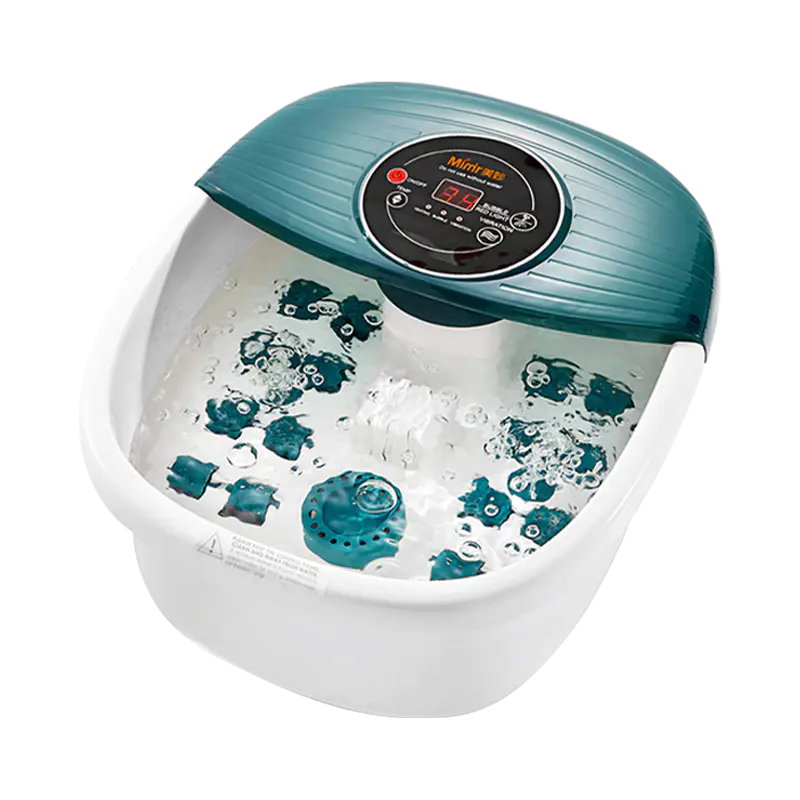
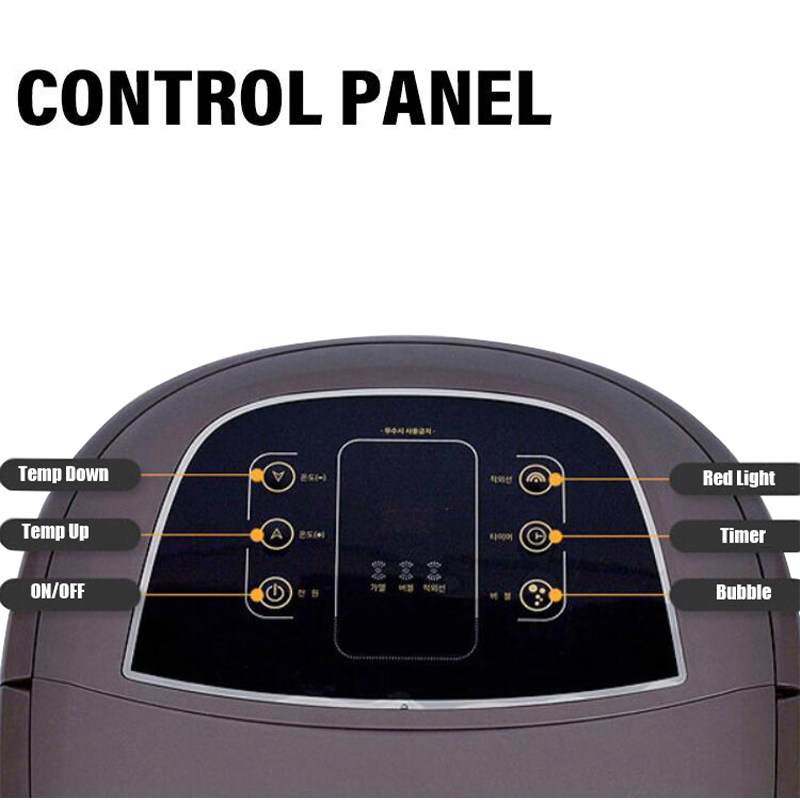 JD-618 Automatic Foot Spa with Rotary Massage Rollers and Drain PipeThis footbath offers six massage rollers, oxygen bubbles, and a pumice stone, but its hidden crevices can trap moisture. Consider it if you need a model with a drain pipe for easier drying and maintenance.View Product →
Hidden Areas That Need Extra Attention
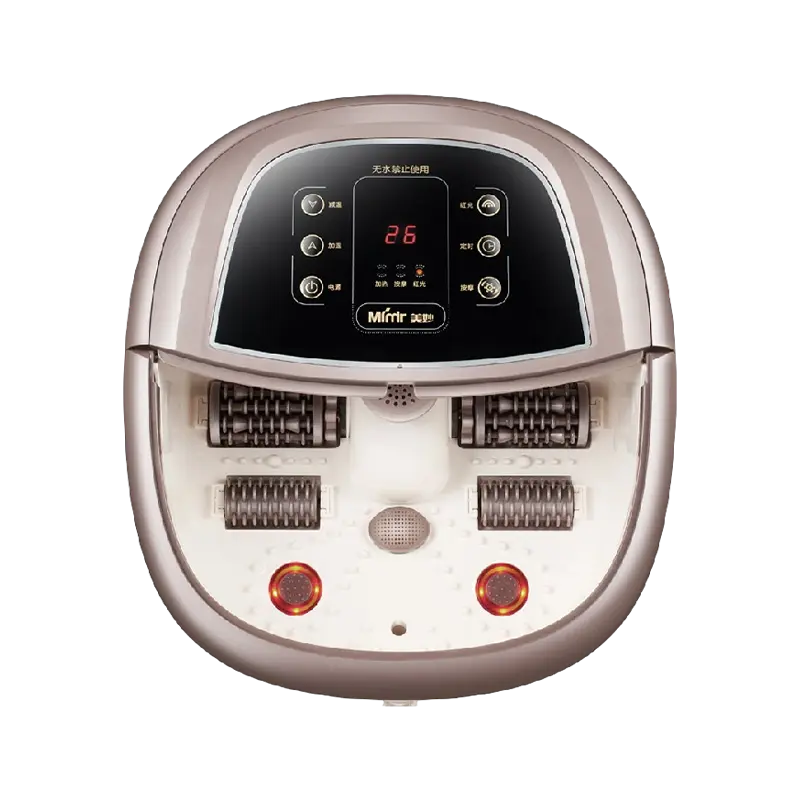
Visible surfaces are only part of the problem. Massage rollers, bubble outlets, pump connections, and drain screens create hidden spaces where water can sit. If you only clean the visible parts of a footbath, bacteria can remain in the areas you cannot see and contaminate the next foot soak.
- Remove massage rollers and soak them in disinfectant if they are removable.
- Flush jet nozzles and air holes with clean water and disinfectant.
- Clean the filter and drain screen after every use.
- Keep the footbath dry when it is not in use, because moisture is the main driver of microbial growth.
Collapsible footbaths can be easier to manage because they take up less storage space and are less likely to be forgotten with water left inside. If you prefer a foldable design that can be stored dry, a collapsible automatic massage model may fit your home routine better.
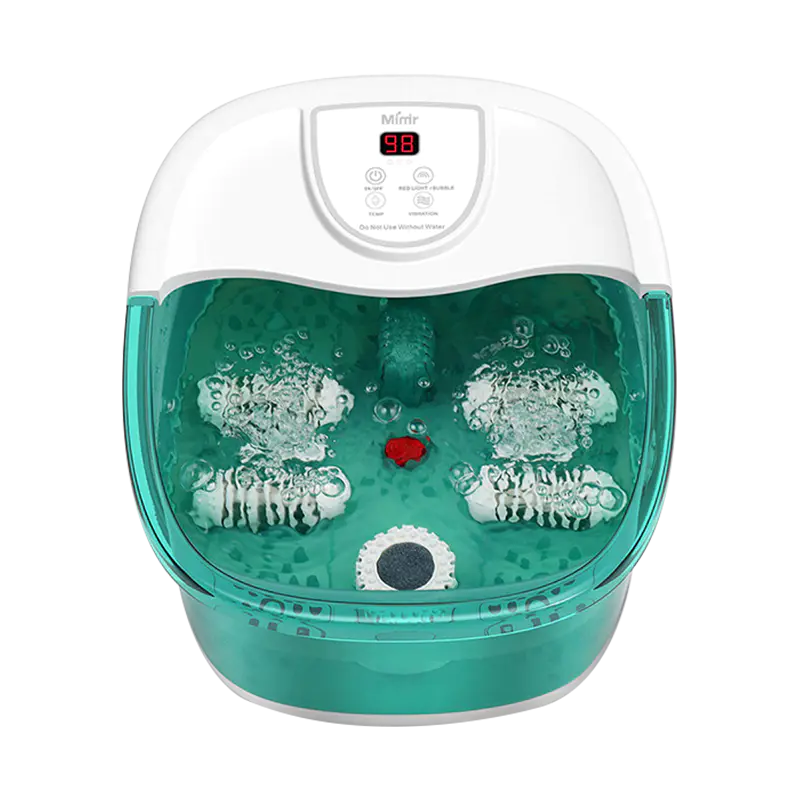
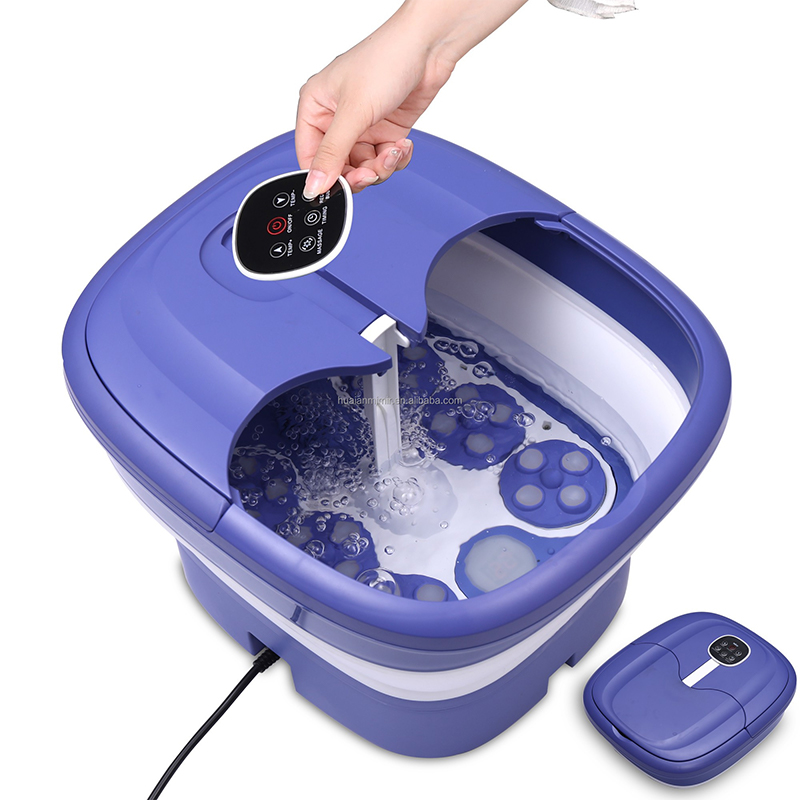 MZD-03F Collapsible Foot Spa with Six Rollers and Wireless RemoteA foldable design allows it to be stored dry, reducing the risk of lingering moisture. With adjustable temperature and three massage modes, it suits home use where space and hygiene are priorities.View Product →
Choosing a Footbath That Is Easier to Keep Clean
Not all footbaths are equally easy to maintain. Designs with smooth basins, fewer complicated parts, and accessible drainage are much more practical for regular cleaning. When you compare models, ask whether the massage rollers are removable, whether the drain is quick and efficient, and whether the disinfectant you plan to use is compatible with the basin material.
As a manufacturer of foot spa equipment, we think about hygiene long before a product reaches the customer. A footbath that is difficult to clean will eventually be cleaned less often, and that is a risk no salon or home user should accept. For wholesale buyers, choosing the right model matters even more, because salons, spas, and retail customers all expect equipment that can meet their local hygiene standards. Our service team can help you select models that fit those requirements and support you with practical maintenance guidance.
The bottom line is simple: footbaths should be cleaned and disinfected after every use. In professional settings, that means after each client. At home, that means after every soak. Add a deeper weekly clean for foot spas with jets or massage hardware, follow the disinfectant label for contact time, and always let the footbath dry completely before storing it. Consistency is what keeps a footbath safe, and that is a standard worth following every time.