

 English
 日本語
日本語 Español
 한국어
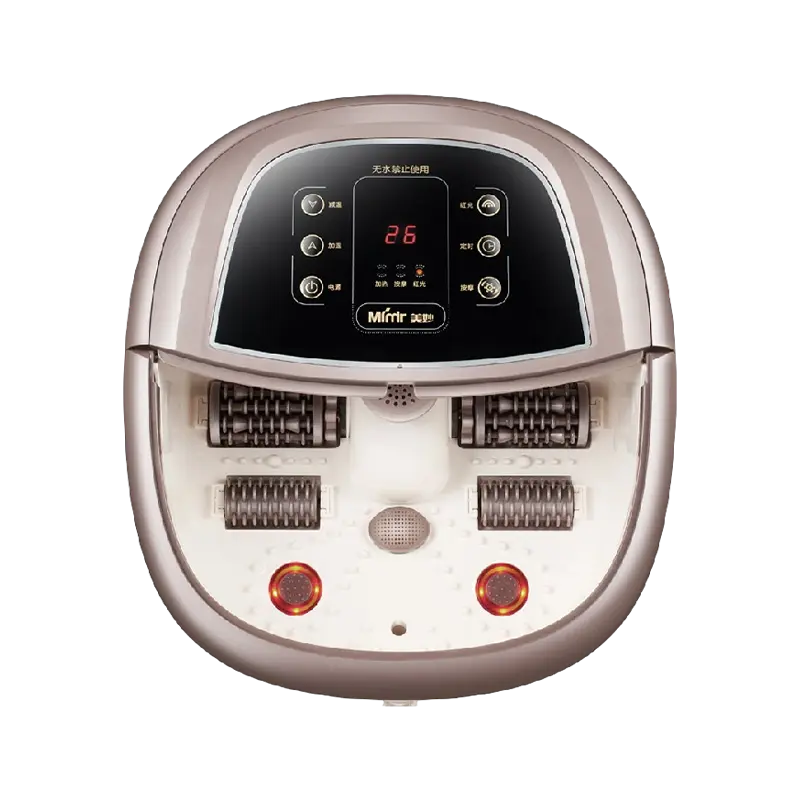
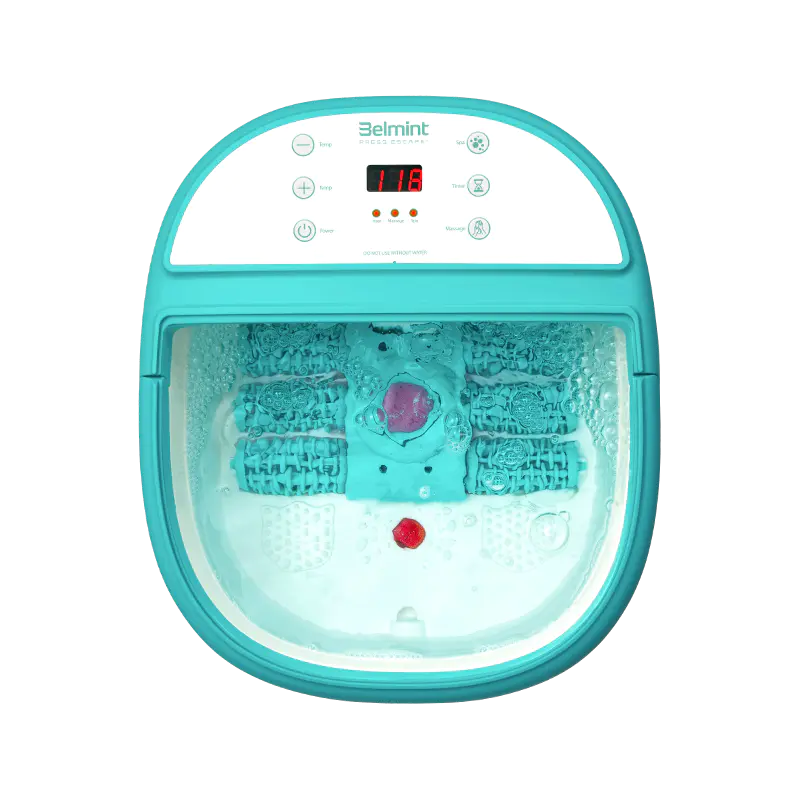
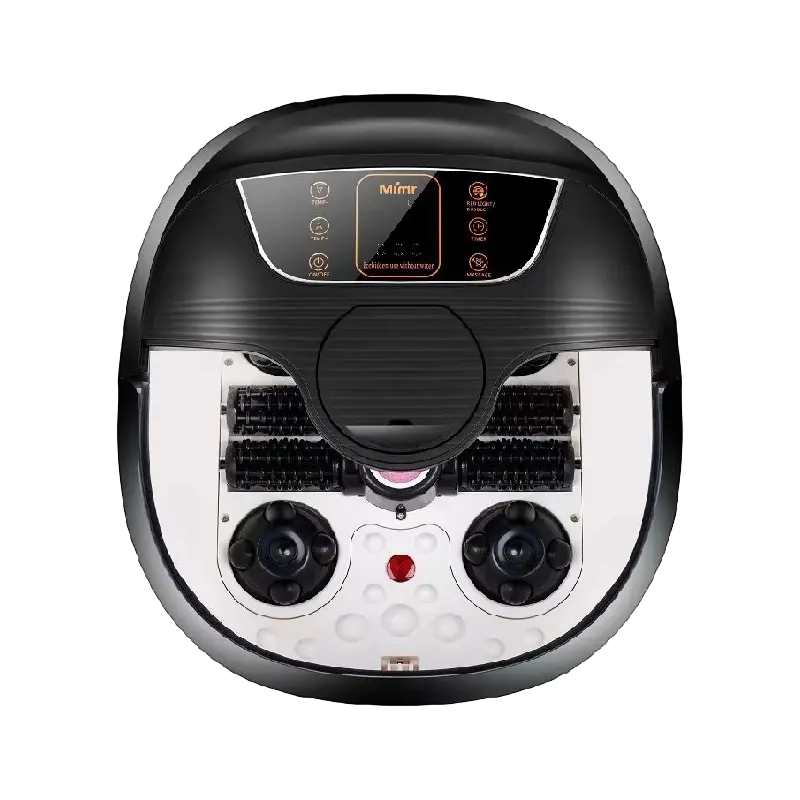
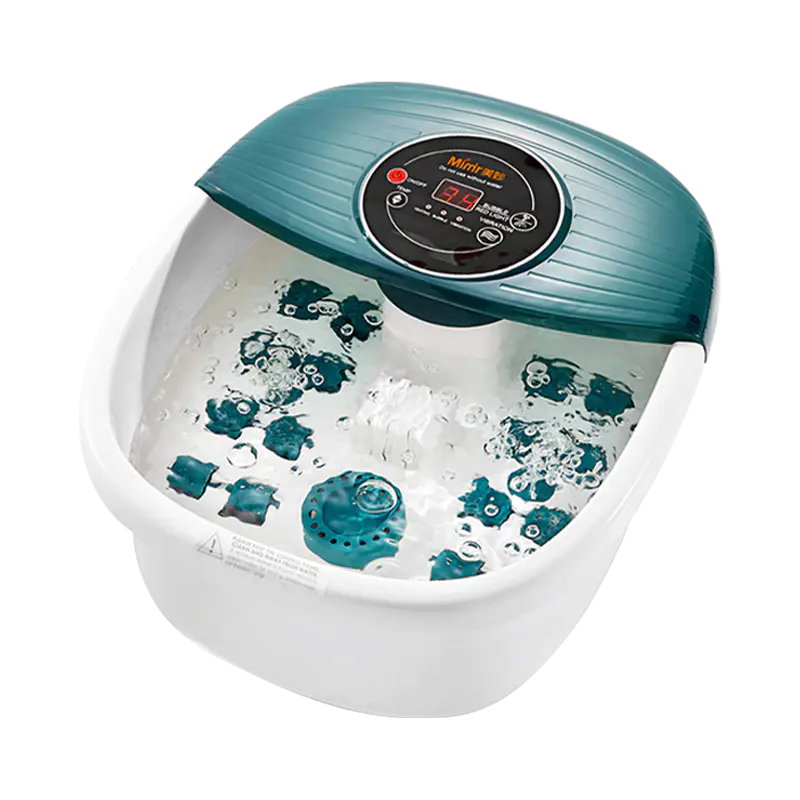
한국어A foot spa bath massager is a home-use device that combines warm water immersion, massage rollers, vibration, and often heat or bubble therapy to relieve foot pain, reduce tension, and improve circulation — all without leaving your home. Clinical research and user studies consistently show that even a 15–20 minute session can measurably reduce perceived fatigue, lower blood pressure, and ease chronic foot discomfort. For anyone who spends long hours standing, walking, or managing conditions like plantar fasciitis or poor circulation, a quality foot spa bath massager is a practical, low-cost therapeutic tool.
What a Foot Spa Bath Massager Actually Does
Unlike a simple basin of warm water, a foot spa bath massager delivers multiple simultaneous therapeutic actions. Understanding each helps you choose the right model and use it effectively.
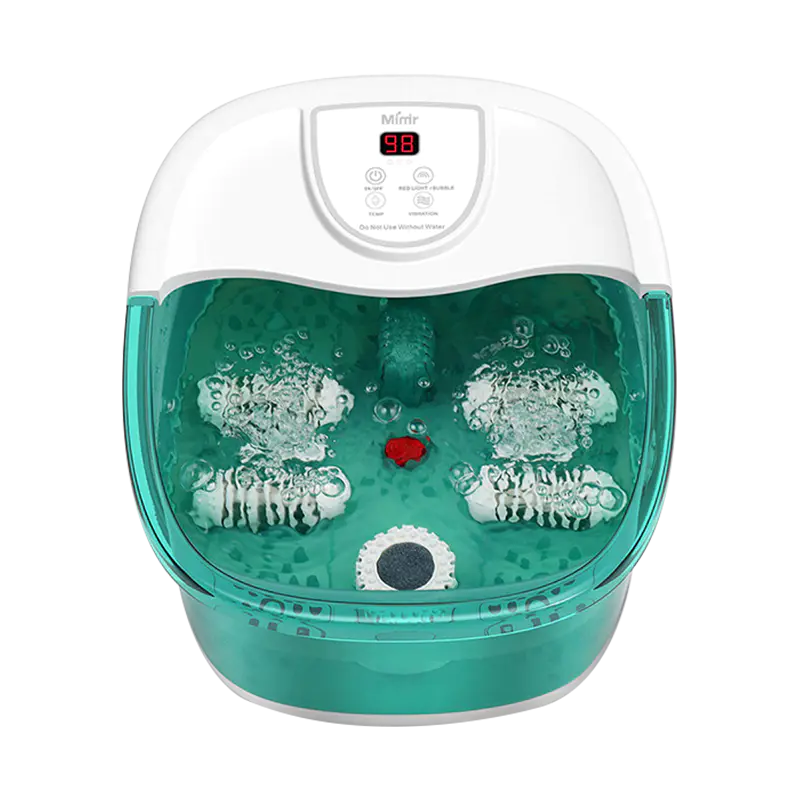
- Heat therapy: Maintains water temperature between 35°C and 48°C (95°F–118°F), dilating blood vessels, relaxing tight muscles, and improving peripheral circulation — effects that a bowl of tap water cannot sustain.
- Vibration massage: Low-frequency vibration transmitted through the water and base stimulates plantar nerve endings, reducing the sensation of soreness and fatigue in the arch and heel.
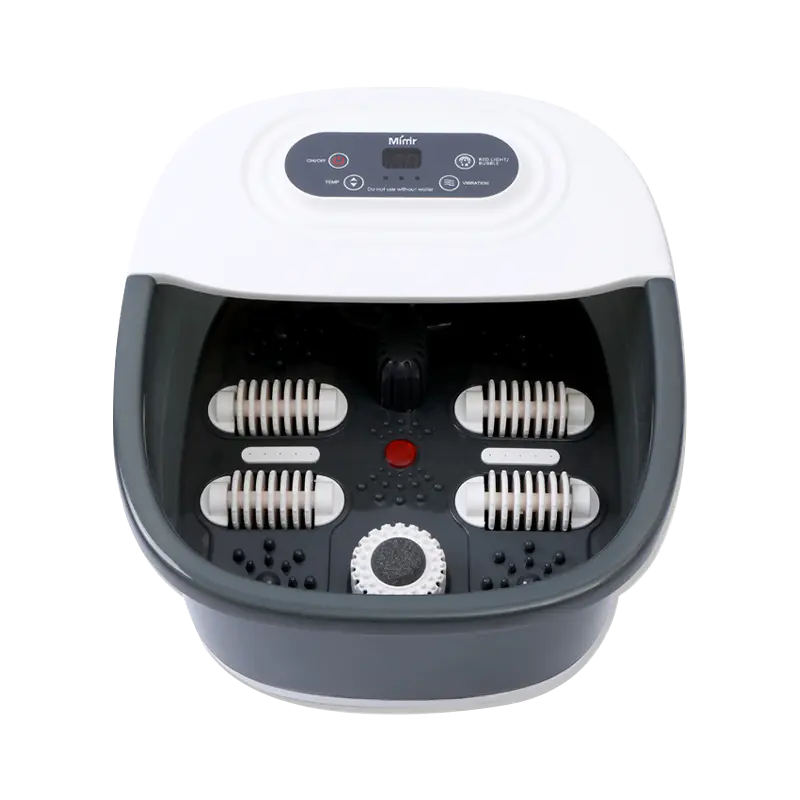
- Roller massage: Physical massage rollers or acupressure nodes target the plantar fascia, metatarsal heads, and heel pad — the three zones most frequently affected by standing-related pain.
- Bubble / jet therapy: Air jets create turbulence that gently stimulates the skin surface, helping soften calluses and providing a hydro-massage effect across the entire foot surface.
- Ionic or salt therapy (advanced models): Some units include ionization functions or salt-dissolving chambers that users claim support detoxification, though the primary evidence-based benefit remains the soaking and heat itself.
Proven Benefits Backed by Evidence
The therapeutic value of foot soaking and massage is well-documented. Here is what the research and clinical practice support:
Circulation and Blood Pressure Improvement
A study published in Complementary Therapies in Clinical Practice found that warm foot baths significantly reduced both systolic and diastolic blood pressure in participants after 30-minute sessions over two weeks. Improved peripheral circulation is particularly valuable for people with diabetes (under medical supervision), desk workers, and older adults whose circulation naturally declines.
Plantar Fasciitis and Heel Pain Relief
Plantar fasciitis affects roughly 1 in 10 people over their lifetime. Warm water immersion at 40–42°C combined with massage roller stimulation helps lengthen the plantar fascia, reduce morning stiffness, and decrease the inflammation-mediated pain that peaks during the first steps of the day. Physical therapists frequently recommend foot soaking as a complementary practice alongside stretching exercises.
Stress and Sleep Quality
The feet contain a high density of reflex points connected — according to reflexology theory — to organ systems throughout the body. Separate from reflexology, the physiological mechanism is clear: warm water immersion activates the parasympathetic nervous system, reducing cortisol levels and lowering heart rate. A 20-minute foot soak before bed is associated with faster sleep onset and improved sleep quality in multiple small-scale trials.
Edema and Swelling Reduction
Standing or sitting for prolonged periods causes fluid to pool in the lower extremities. Warm-water hydrotherapy with gentle massage encourages lymphatic drainage and venous return, visibly reducing ankle and foot swelling within a single session for many users. This benefit is especially relevant for pregnant women and frequent air travelers — though individuals with severe varicose veins or venous insufficiency should consult a physician first.
Key Features to Compare When Buying
The market for foot spa bath massagers ranges from under $30 to over $200. The price difference reflects meaningful variation in features and build quality. Here is what each feature delivers in practice:
| Feature | What It Provides | Worth It? |
|---|---|---|
| Heating element | Maintains water temperature throughout the session | Essential — without it, water cools within 10 minutes |
| Adjustable temperature | Allows setting between 35°C–48°C to match tolerance | Highly recommended for safety and comfort |
| Massage rollers | Physical acupressure stimulation of the plantar surface | Yes — core therapeutic feature |
| Vibration | Whole-foot stimulation via oscillation | Good complement to rollers |
| Bubble / jets | Hydro-massage, softens skin, light stimulation | Enhances experience; secondary therapeutic value |
| Digital display & timer | Precise temperature readout and auto shut-off | Important for safety; prevents overheating |
| Removable pedicure attachments | Pumice stone, brush, or scrubber for callus removal | Useful if foot care is a goal |
| Drainage spout | Drains water without carrying a full basin | Underrated convenience feature |
| Capacity (water volume) | Determines if ankles are submerged | Aim for units that cover to mid-ankle or higher |
How to Use a Foot Spa Bath Massager for Best Results
Getting the most out of each session requires more than simply filling the basin and switching it on. Follow this approach for consistent, effective results:
- Fill with the right water level. Water should reach at least the ankle bone — typically 4–6 liters depending on the basin size. Too little water reduces the effectiveness of heat and bubble therapy.
- Set temperature correctly. Start at 38–40°C (100–104°F) for general relaxation. For muscle recovery, 40–42°C is more effective. Never exceed 45°C if you have reduced sensation in your feet (common in diabetics).
- Add bath salts or essential oils (optional). Epsom salt (magnesium sulfate) at 1–2 tablespoons per liter enhances the anti-inflammatory effect. Lavender or peppermint essential oil (3–5 drops) adds aromatherapy benefit. Avoid oils if the unit has jet openings that could clog.
- Session duration: 15–30 minutes. Research supports 20 minutes as the optimal duration for circulatory and relaxation benefits. Beyond 30 minutes, skin maceration begins and diminishing returns set in.
- Use the rollers actively. Don't just rest — press the arch and heel into the rollers with controlled pressure, working from heel to ball of foot. Spend extra time on any areas of concentrated soreness.
- Finish with moisturizer. Immediately after drying, apply a foot cream containing urea (10–25%) or shea butter while skin is still warm and pores are open. Absorption is dramatically better post-soak than at any other time.
- Frequency: 3–5 times per week for ongoing conditions like plantar fasciitis; daily use is safe for healthy users seeking relaxation and maintenance.
Who Benefits Most from a Foot Spa Bath Massager
While virtually anyone can benefit, these groups see the most significant improvements:
- Healthcare workers, teachers, and retail staff who stand on hard floors for 8–12 hours daily and experience cumulative plantar and metatarsal fatigue.
- Athletes and runners recovering from training loads, where foot soaking reduces delayed-onset muscle soreness (DOMS) in the intrinsic foot muscles.
- Older adults experiencing age-related circulation decline, arthritis, or general foot stiffness that impairs mobility and comfort.
- Office workers and frequent flyers who sit for extended periods and experience ankle swelling or fatigue from inactivity.
- People with insomnia or high stress who benefit from the pre-sleep parasympathetic activation that a warm foot soak reliably induces.
Safety Precautions and Contraindications
A foot spa bath massager is safe for most people but carries specific risks for certain groups that must not be ignored:
- Diabetic neuropathy: Reduced sensation means users may not feel dangerous water temperatures. Always verify water temperature with a thermometer — not your foot — and keep settings at or below 38°C. Consult a physician before starting regular use.
- Open wounds, ulcers, or active infections: Do not use a foot spa if you have broken skin, fungal infections, or diabetic foot ulcers. Warm water accelerates bacterial growth and can worsen infection.
- Varicose veins and deep vein thrombosis (DVT): High heat can exacerbate venous insufficiency. Use cool-to-warm (35–37°C) temperatures only, and avoid vigorous massage over visibly affected veins.
- Pregnancy: First-trimester soaking in hot water is generally advised against. Warm (not hot) foot baths in later pregnancy for swelling are widely considered safe, but individual consultation with an OB-GYN is recommended.
- Hypotension (low blood pressure): Warm-water immersion lowers blood pressure. Stand up slowly after a session to avoid dizziness or fainting, particularly in older adults or those on antihypertensive medications.
Foot Spa Bath Massager Price Tiers: What Each Level Delivers
| Price Range | Typical Features | Best For | Limitation |
|---|---|---|---|
| $20–$45 | Basic heat, vibration, fixed rollers | Occasional relaxation, gift use | No temperature control; cools quickly |
| $45–$90 | Adjustable heat, bubbles, removable rollers, timer | Daily home use, chronic foot pain | Motor noise; moderate build quality |
| $90–$150 | Digital display, multiple modes, pedicure attachments, drainage | Serious therapeutic use, high-frequency users | Bulkier; requires storage space |
| $150–$250+ | Professional-grade rollers, ionic function, infrared heat, remote control | Clinical-quality home therapy, elderly care | High cost; features may exceed typical needs |
Cleaning and Maintaining Your Foot Spa Bath Massager
A foot spa that is not properly maintained becomes a reservoir for bacteria and fungi — particularly Pseudomonas aeruginosa and nail fungus pathogens — that can cause infections. Proper hygiene is non-negotiable:
- Drain and rinse after every use. Empty the basin immediately after each session. Stagnant warm water is an ideal bacterial growth medium.
- Wipe the basin with a dilute disinfectant. A solution of 1 part white vinegar to 10 parts water, or a dilute bleach solution (1 teaspoon bleach per liter of water), kills common pathogens. Avoid abrasive cleaners that scratch the basin surface, as scratches harbor bacteria.
- Clean the rollers and jets weekly. Remove detachable parts and scrub with a soft brush. Jet openings clog with mineral deposits over time — soak in a citric acid solution (1 tablespoon per liter) for 20 minutes monthly to dissolve scale.
- Dry thoroughly before storage. Residual moisture promotes mold growth inside the unit. Leave the lid open or use a clean towel to absorb moisture from all surfaces before storing.
- Deep clean monthly. Fill the basin with a dilute disinfectant solution, run the jets and vibration for 5 minutes, then drain, rinse, and air dry. This flushes the internal pump and jet channels.
Foot Spa vs. Professional Pedicure: Realistic Comparison
A professional pedicure at a nail salon costs $25–$60 per session and typically includes soaking, massage, nail care, and exfoliation. A quality foot spa bath massager at $60–$100 pays for itself within 2–4 uses if used in place of professional appointments for routine foot soaking and massage. The trade-off is that professional services provide nail trimming, cuticle care, and skilled manual massage that a device cannot replicate. The practical answer for most users is a combination: regular home sessions for daily maintenance and therapeutic benefit, with professional pedicures every 4–6 weeks for nail care and exfoliation that machines cannot match.