

 English
 日本語
日本語 Español
 한국어
한국어Yes, foot spas are good for your feet when used correctly — they relieve pain, reduce swelling, soften skin, and promote relaxation through warm water immersion, massage, and targeted hydrotherapy. However, they are not universally safe. People with diabetes, open wounds, peripheral neuropathy, or circulatory disorders need to exercise caution or avoid them entirely. A foot spa bath used 2–3 times per week at the right temperature (between 98°F and 104°F / 37°C–40°C) and for the right duration (15–20 minutes) delivers measurable physical benefits with minimal risk for most healthy adults.
What a Foot Spa Bath Actually Does to Your Feet
A foot spa bath works through several overlapping mechanisms — heat therapy, hydrotherapy, mechanical massage, and ingredient absorption — each contributing differently to foot health. Understanding what is actually happening beneath the water surface explains why these devices are more than just comfort tools.
Heat and Vasodilation
Warm water immersion causes peripheral blood vessels to dilate — a process called vasodilation. When feet are submerged in water at 100–104°F (38–40°C), blood flow to the feet increases significantly. A study published in the Journal of Physiological Anthropology found that foot bathing at 42°C for 30 minutes increased skin blood flow by up to 300% in the immersed area. This enhanced circulation delivers more oxygen and nutrients to tired foot muscles, accelerates removal of metabolic waste products like lactic acid, and reduces the sensation of fatigue.
Mechanical Massage and Pressure Relief
Most electric foot spa basins include rolling massage nodes, water jets, or vibration functions that apply mechanical pressure to the plantar fascia, arch, and heel. This stimulates mechanoreceptors in the skin and soft tissue, reducing pain signals and triggering the release of endorphins. For people who spend 8 or more hours on their feet daily — retail workers, nurses, teachers — this mechanical relief directly addresses accumulated plantar pressure.
Skin Hydration and Softening
The stratum corneum (outermost skin layer) on the soles of the feet is among the thickest on the human body — often 1.5–4.7mm compared to 0.1mm on the eyelid. Prolonged warm water soaking hydrates this layer, softening calluses, cracked heels, and hardened skin in preparation for physical exfoliation. After a 15-minute soak, dead skin cells are significantly easier to remove with a pumice stone or foot file, reducing the effort and skin trauma involved.
Proven Health Benefits of Regular Foot Spa Use
The benefits of foot spa baths extend well beyond surface-level comfort. Clinical and observational research supports several specific health outcomes associated with consistent use.
Reduced Foot and Ankle Swelling (Edema)
Alternating warm and cool water immersion — contrast hydrotherapy — has been shown to reduce peripheral edema effectively. The alternating vasodilation and vasoconstriction creates a pumping effect in the veins and lymphatic vessels, moving excess fluid out of swollen tissue. A 2013 study in the Journal of Athletic Training found that contrast bath therapy reduced ankle swelling by approximately 30% compared to elevation alone in subjects with acute ankle sprains.
Plantar Fasciitis and Heel Pain Relief
Plantar fasciitis affects approximately 1 in 10 people at some point in their lives and is characterized by stabbing heel pain from inflammation of the plantar fascia. Warm water soaking loosens the fascia tissue and surrounding musculature before physical activity, reducing morning pain stiffness. Many podiatrists recommend warm foot soaks as part of a conservative plantar fasciitis management program alongside stretching and orthotics.
Improved Sleep Quality
Foot bathing before sleep has a measurable effect on sleep onset. Research published in Sleep Medicine Reviews demonstrated that warming the extremities (hands and feet) promotes core body temperature drop — a physiological signal that triggers sleep onset. Participants who soaked their feet in warm water 60–90 minutes before bedtime fell asleep significantly faster than control groups in multiple studies. This makes foot spa use particularly valuable for people with insomnia or shift workers resetting their sleep schedule.
Stress and Anxiety Reduction
Warm water immersion activates the parasympathetic nervous system — the "rest and digest" response — reducing cortisol levels and heart rate. A 2018 study in Evidence-Based Complementary and Alternative Medicine found that foot bath therapy performed for 20 minutes daily over 4 weeks significantly reduced self-reported anxiety and fatigue scores in elderly participants. The dense concentration of nerve endings in the feet (over 7,000 nerve endings per foot) means sensory stimulation there has a disproportionately large calming effect on the nervous system.
Toenail and Skin Health
Regular soaking softens toenails — reducing the risk of ingrown nail trauma during trimming — and loosens debris around the nail bed. When Epsom salt or tea tree oil is added to the foot spa bath, the antimicrobial properties help reduce surface fungal colonization, though soaking alone is not a clinical treatment for established onychomycosis (nail fungus).
Popular Foot Spa Bath Additives and What They Do
Adding ingredients to your foot spa water can enhance specific outcomes. Here is how the most commonly used additives work and what the evidence shows:
| Additive | Recommended Amount | Primary Benefit | Evidence Level |
|---|---|---|---|
| Epsom Salt (magnesium sulfate) | ½–1 cup per basin | Muscle relaxation, skin softening | Moderate (transdermal Mg absorption debated) |
| Tea Tree Oil | 5–10 drops per basin | Antifungal, antibacterial surface action | Good (topical antifungal efficacy confirmed) |
| Apple Cider Vinegar | ½ cup per basin | Odor neutralization, mild antifungal | Low–moderate (mostly anecdotal) |
| Peppermint Essential Oil | 5–8 drops per basin | Cooling sensation, fatigue relief | Moderate (menthol receptor activation confirmed) |
| Baking Soda | 3–4 tablespoons per basin | Odor control, skin pH balancing | Low (practical benefit, limited clinical data) |
| Lavender Essential Oil | 5–10 drops per basin | Relaxation, stress reduction | Good (aromatherapy anxiolytic effects confirmed) |
Always dilute essential oils in a carrier or disperse them in the water before soaking — undiluted essential oils can irritate skin, especially between toes where moisture concentrates.
Who Should Be Cautious or Avoid Foot Spa Baths
Foot spas are not universally safe. Several medical conditions make warm water foot soaking potentially harmful, and understanding these risks is as important as knowing the benefits.
People with Diabetes
Diabetic peripheral neuropathy reduces the ability to accurately sense water temperature, creating a serious burn risk. Over 50% of people with diabetes develop some degree of peripheral neuropathy during their lifetime. Even water at 104°F (40°C) — comfortable to most people — can cause thermal injury in neuropathic feet without the person realizing it. Additionally, soaking can macerate skin around cuts or ulcers, increasing infection risk. People with diabetes should consult a podiatrist before using any foot spa device.
Open Wounds, Cuts, or Active Infections
Submerging open wounds in a foot spa — even one that appears clean — introduces bacterial contamination risk. Warm, moist environments promote bacterial proliferation. Athlete's foot (tinea pedis), an active fungal infection, can worsen with prolonged soaking as excess moisture degrades the skin barrier further. Wait until any break in skin is fully healed before using a foot spa bath.
Varicose Veins and Poor Circulation
Hot water causes additional vasodilation in already-compromised veins, potentially worsening discomfort and pooling in people with significant varicose veins. Those with severe peripheral artery disease (PAD) — where arterial blood flow to the feet is already reduced — face burn risk because impaired circulation delays heat dissipation from skin tissue.
Pregnancy
While mild warm foot soaking is generally considered safe during pregnancy, water above 100°F (38°C) raises core body temperature and should be avoided, particularly in the first trimester when fetal neural development is most temperature-sensitive. Reflexology-style massage nodes in foot spas should also be used cautiously, as certain pressure points on the foot are traditionally associated with uterine stimulation — though clinical evidence on this risk is limited.
Elderly Individuals with Fragile Skin
Aging skin becomes thinner and less able to regulate moisture effectively. Prolonged soaking in older adults can over-macerate fragile skin, making it prone to small tears and bacterial entry. Limit sessions to 10–15 minutes maximum and apply a rich moisturizer immediately after drying to restore the skin barrier.
How to Use a Foot Spa Bath Correctly for Best Results
Getting the maximum benefit from a foot spa while avoiding common mistakes requires attention to temperature, duration, timing, and aftercare.
Temperature Guidelines
The optimal foot spa temperature for most adults is 100–104°F (38–40°C). Always verify with a thermometer rather than relying on touch alone — especially if you have reduced foot sensitivity. Temperatures above 110°F (43°C) risk scalding, and temperatures below 95°F (35°C) deliver minimal therapeutic benefit. Many electric foot spa basins maintain temperature automatically; for manual basins, start slightly warm and top up carefully.
Session Duration and Frequency
The evidence-supported sweet spot for foot spa sessions is 15–20 minutes. Soaking beyond 30 minutes over-softens skin, leading to maceration — skin that appears white, wrinkled, and fragile — which actually impairs the skin barrier rather than improving it. For general wellness, 2–3 sessions per week is appropriate. For targeted pain management (plantar fasciitis, post-exercise recovery), daily sessions of 15 minutes are reasonable for short periods.
Step-by-Step Foot Spa Routine
- Fill the basin with water at 100–104°F and confirm temperature with a thermometer
- Add any desired additives (Epsom salt, essential oils) and stir to disperse evenly
- Soak feet for 15–20 minutes; use the massage or jet function if available for the last 5–10 minutes
- If exfoliating, use a pumice stone or foot file gently on softened calluses immediately after removing feet from water
- Pat feet dry thoroughly — especially between toes — to prevent fungal growth in moisture-retaining areas
- Apply a thick moisturizer or foot cream immediately while skin is still slightly warm and pores are open for maximum absorption
- Clean and dry the foot spa basin after every use; disinfect weekly with a diluted bleach solution (1 tablespoon per gallon of water) to prevent biofilm buildup
Types of Foot Spa Devices and Which Works Best
Not all foot spa baths are equal. The type of device you use affects how much therapeutic benefit you actually receive.
| Type | Key Features | Best For | Limitations |
|---|---|---|---|
| Basic plastic basin (no power) | Manual fill, no heating or massage | Budget soaking, additive baths | Water cools quickly; no mechanical benefit |
| Electric vibration foot spa | Heating element, vibration, basic nodes | General relaxation, daily use | Vibration less targeted than rolling massage |
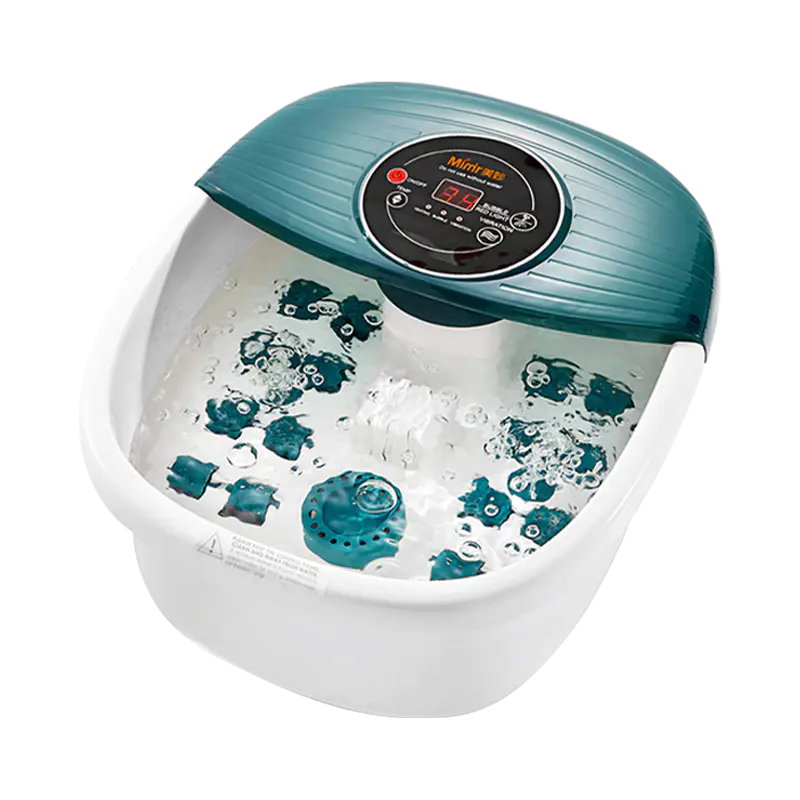
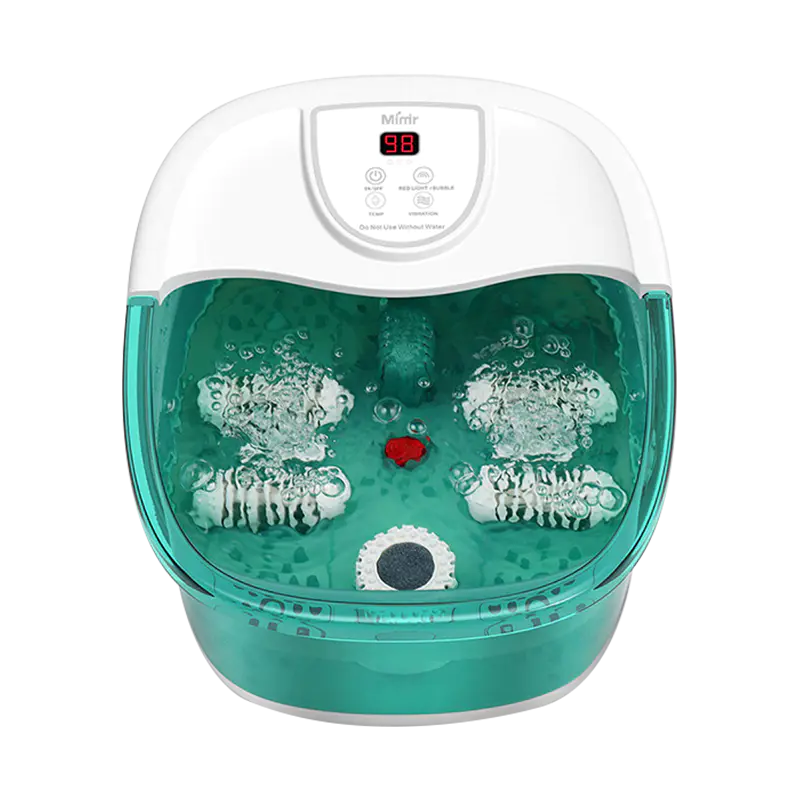
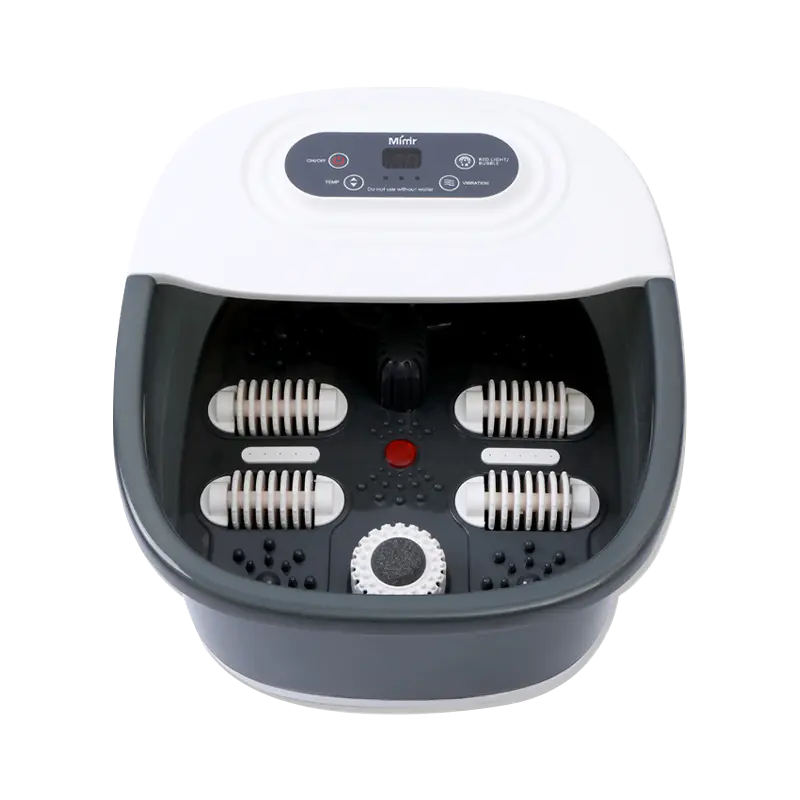
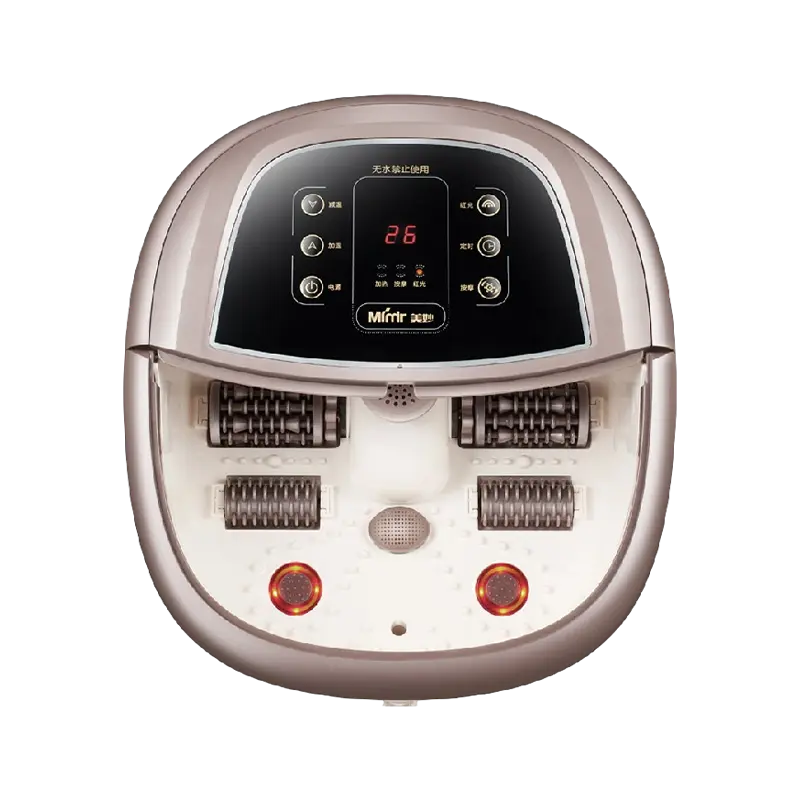
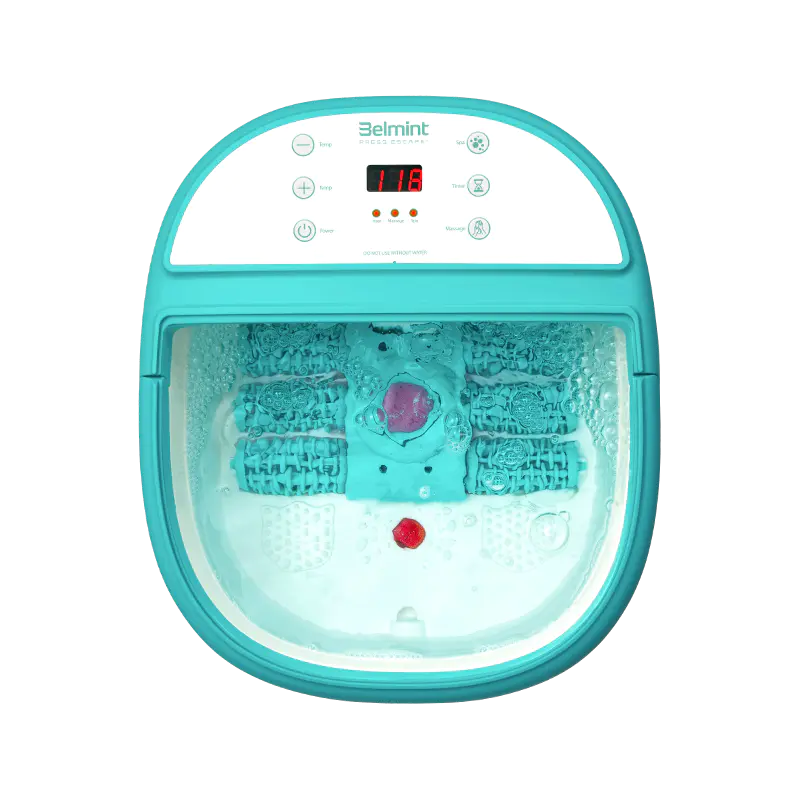
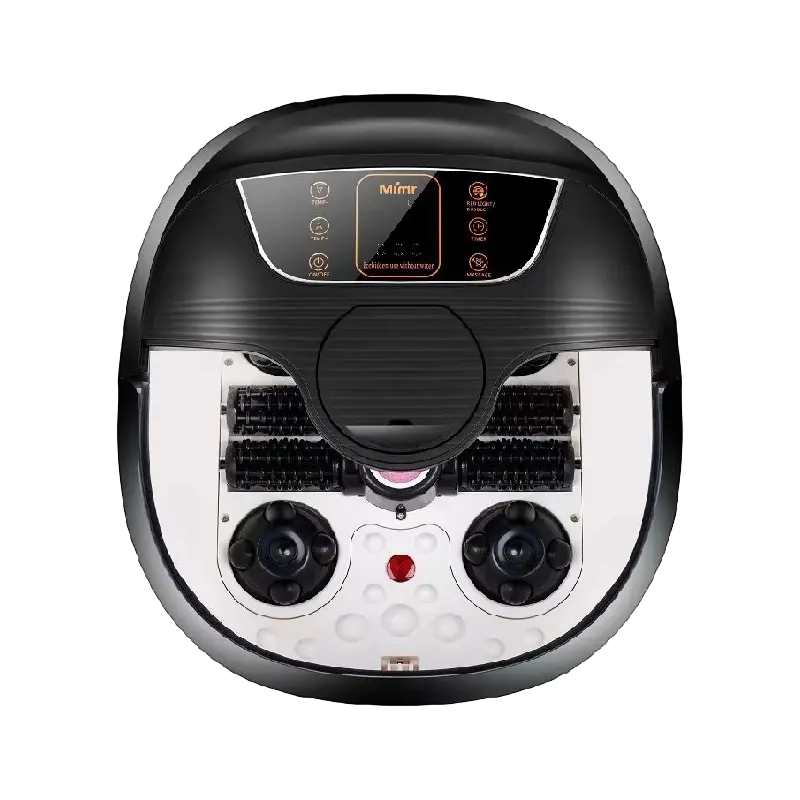
| Motorized roller foot spa | Heated water, rotating massage rollers, jets | Plantar fasciitis, arch pain, post-exercise | Higher cost ($50–$150); more cleaning required |
| Bubble / jet foot spa | Water jets, bubbles, heating, sometimes infrared | Edema, circulation issues, deep relaxation | Jets can harbor bacteria if not disinfected regularly |
| Infrared + ionic foot spa | Infrared heat, ionic water ionization | Marketed for "detox" — limited evidence | Detox claims not scientifically validated |
For most people seeking genuine foot health benefits, a motorized roller foot spa with heated water and bubble jets — available in the $60–$120 price range — provides the best combination of heat therapy and mechanical massage without overspending.
Hygiene Risks of Foot Spas and How to Prevent Them
One of the most underappreciated risks of foot spa baths is microbial contamination — particularly relevant for shared or salon-use devices. Understanding these risks helps you stay safe whether using a home unit or a professional service.
Salon Foot Spa Contamination Risks
In 2000, a major outbreak of Mycobacterium fortuitum infections — causing painful leg boils — was linked to inadequately disinfected nail salon foot spa basins in California, affecting over 110 clients. The filter screens and internal tubing of whirlpool foot spas can harbor biofilms that resist standard rinsing. The CDC and many state cosmetology boards now mandate specific disinfection protocols: a 10-minute soak in EPA-registered hospital-grade disinfectant between every client, plus weekly disinfection of filters and internal plumbing.
Home Foot Spa Cleaning Protocol
- After every use: Empty, rinse with clean water, wipe surfaces with a clean cloth, and allow to air dry completely before storing
- Weekly: Fill with water and 1 tablespoon of bleach per gallon, run the jets or vibration for 5 minutes, drain, rinse twice, and dry
- Monthly: Remove and clean all removable parts (massage rollers, filter screens) separately with a brush and disinfectant solution
- Never share a foot spa basin between users without full disinfection — athlete's foot fungus and nail fungi survive on wet surfaces for up to 48 hours
Foot Spa Baths vs Other Foot Care Methods: How They Compare
Foot spa baths are one tool in a broader foot health toolkit. Here is how they compare to other common foot care interventions:
- Vs. professional pedicure: A pedicure provides more skilled callus removal and nail care but costs $25–$60 per session and carries salon hygiene risks; a home foot spa at $80–$120 pays for itself in 3–5 sessions with proper technique
- Vs. ice baths (cold therapy): Cold water reduces acute inflammation faster than warm water but does not provide the relaxation, circulation boost, or skin softening of warm foot spa baths; contrast therapy combining both is superior for post-exercise recovery
- Vs. foot massage alone: Manual massage targets deeper tissue more precisely but warm water pre-soaking significantly reduces tissue resistance, making massage more effective and comfortable — combining both produces better outcomes than either alone
- Vs. moisturizing cream alone: Applying foot cream to dry skin is far less effective than applying it immediately after a warm soak — hydrated skin absorbs emollients up to 10× more effectively than dry skin according to dermatological research
- Vs. orthotics for plantar fasciitis: Orthotics address the mechanical cause; foot spa baths address symptomatic pain — both are complementary and not substitutes for each other