

 English
 日本語
日本語 Español
 한국어
한국어Yes, foot spa bath massagers genuinely work — but with important distinctions about what "work" means. They are proven to reduce foot pain, ease muscle tension, improve local circulation, and deliver meaningful stress relief. However, they do not detoxify the body, cure systemic disease, or replicate the therapeutic depth of a trained massage therapist. The science behind warm water immersion and mechanical massage is solid; the marketing claims that go beyond these effects are where skepticism is warranted. For most people seeking daily foot care, relaxation, or relief from aching feet after long hours of standing, a quality foot spa delivers real, measurable benefits.
What Foot Spa Bath Massagers Actually Do
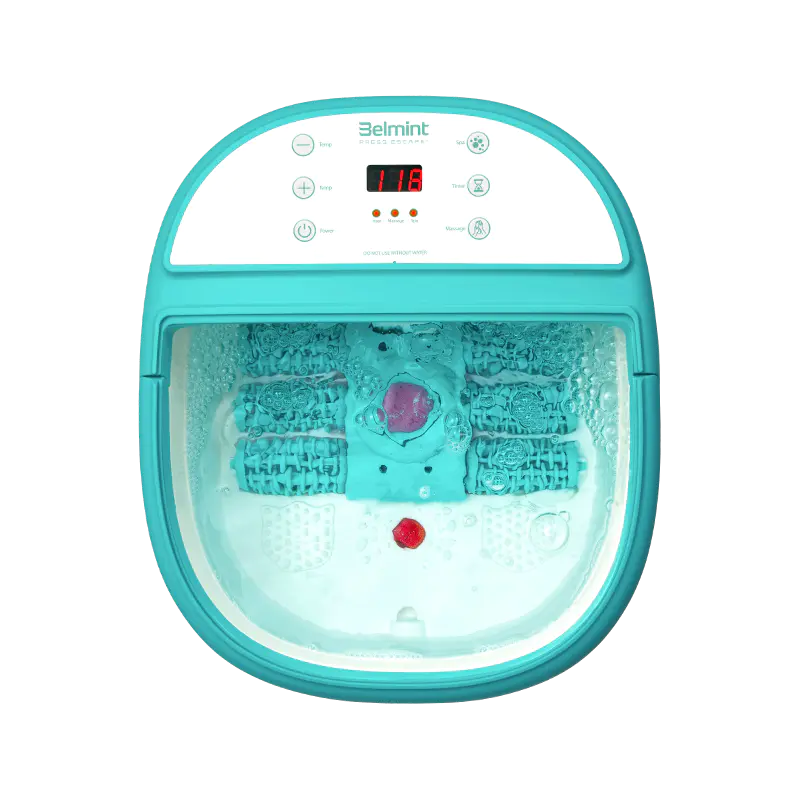
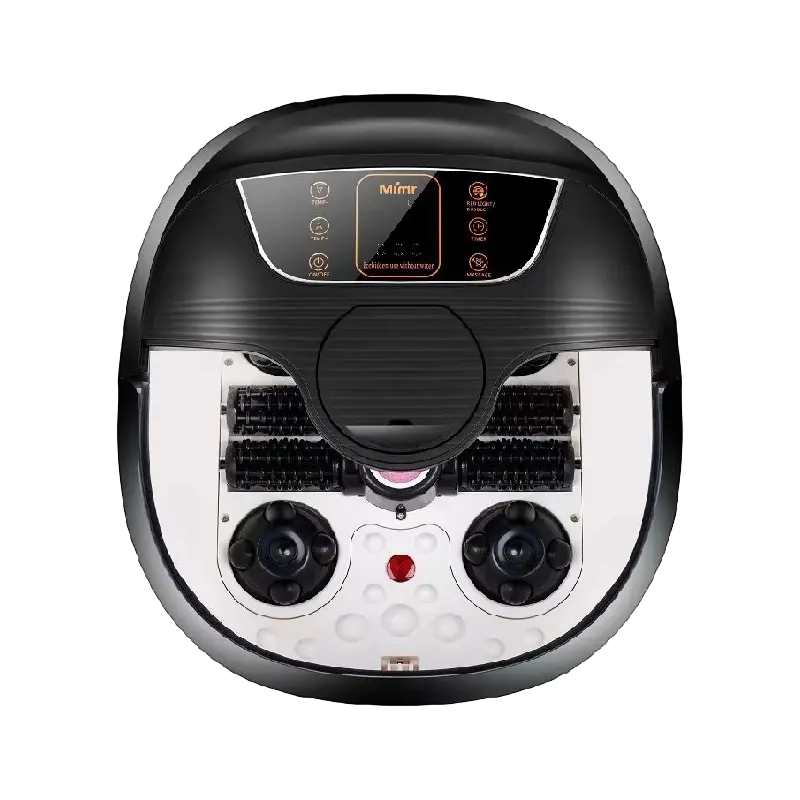
Modern foot spa bath massagers combine several therapeutic mechanisms in a single device. Understanding each one separately helps set realistic expectations.
Warm Water Immersion
Heat is the most therapeutically significant element of any foot spa. Immersing feet in water at 38–42°C (100–108°F) causes vasodilation — blood vessels in the feet and lower legs widen, increasing local blood flow. Research published in the Journal of Physiological Anthropology confirmed that foot bathing at 40°C for 20 minutes significantly elevated skin blood flow and reduced systolic blood pressure compared to baseline. This warming effect relaxes tight muscles, reduces joint stiffness, and triggers a parasympathetic (rest-and-digest) nervous system response that lowers overall stress levels.
Mechanical Massage Rollers and Nodes
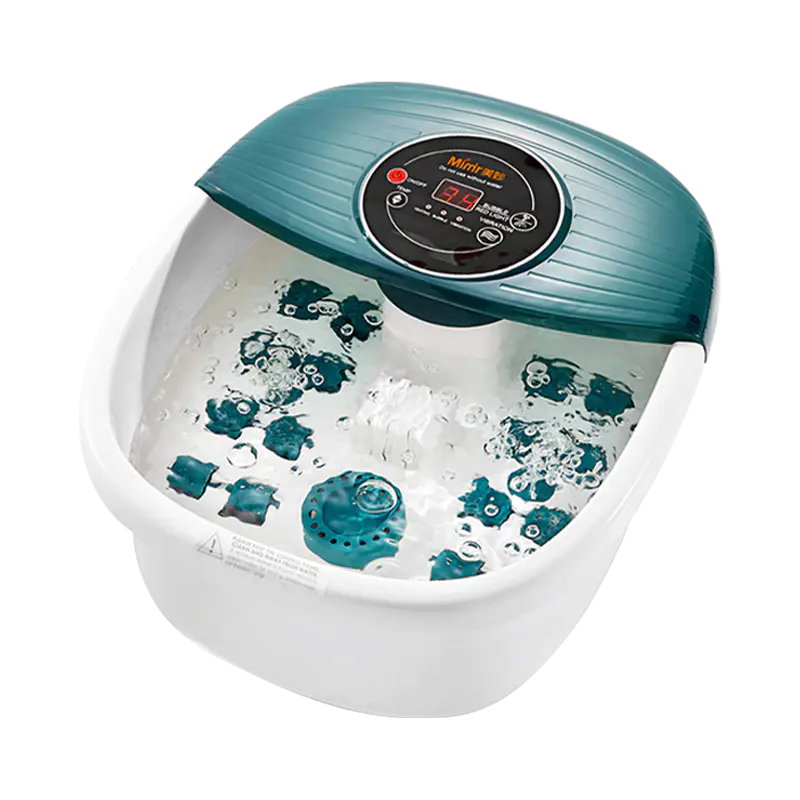
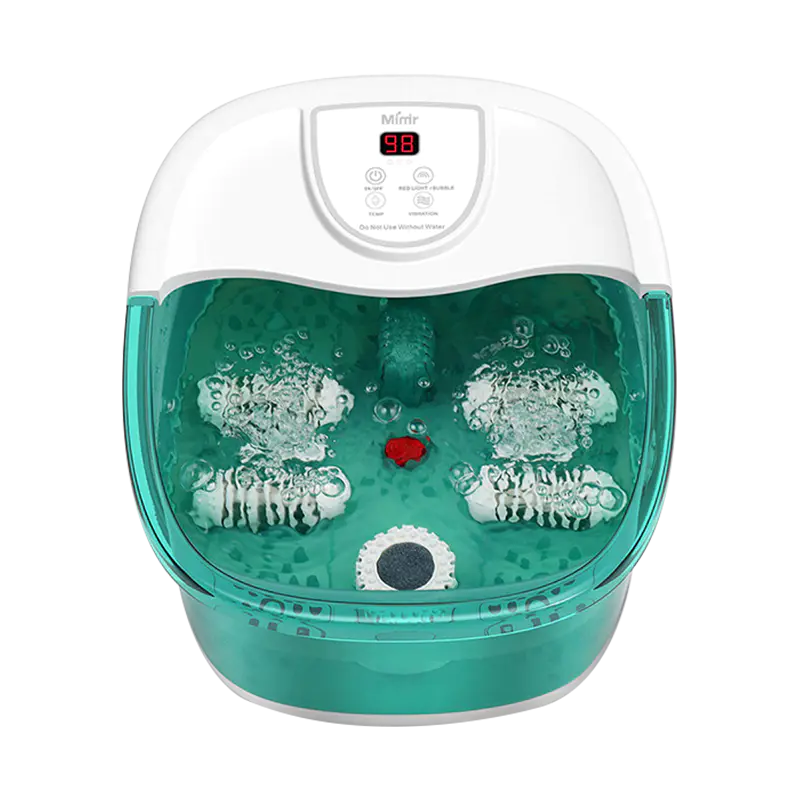
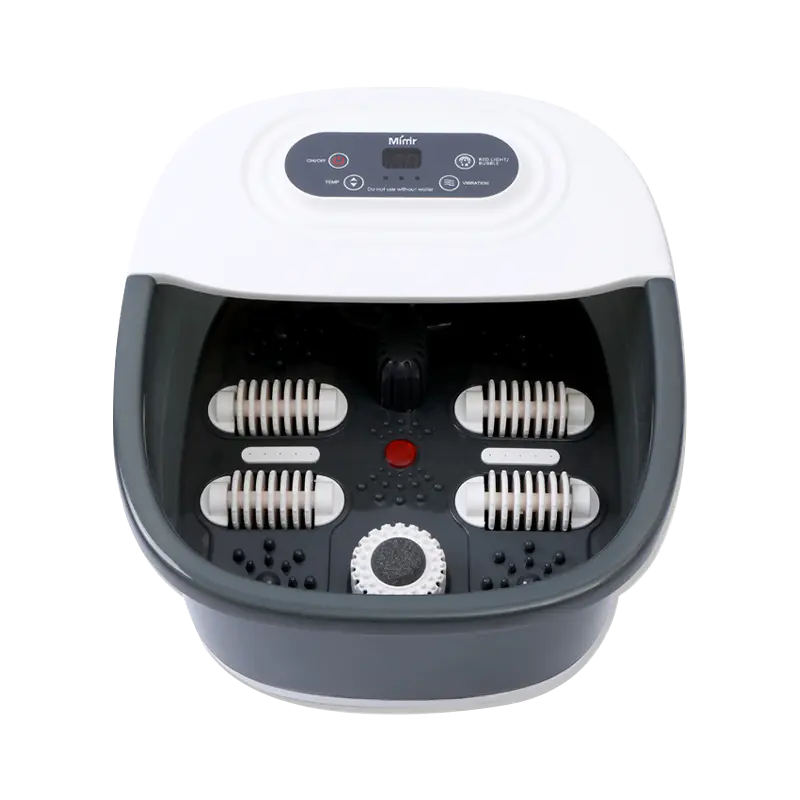
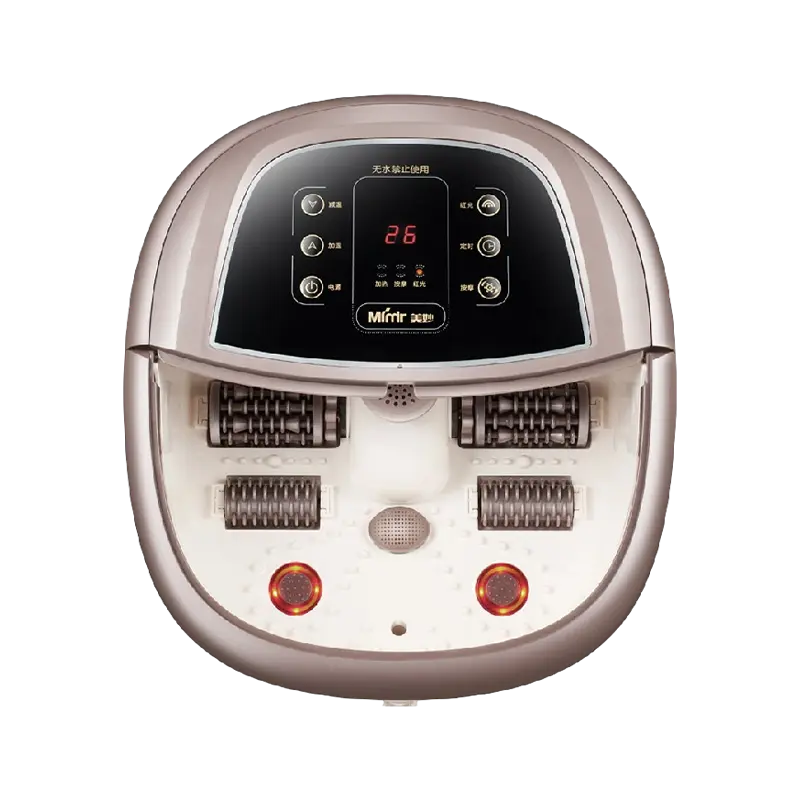
Quality foot spas include textured roller bars, acupressure nodes, or motorized massage heads on the basin floor. Rolling the sole across these surfaces applies targeted pressure to the plantar fascia, arch, heel pad, and metatarsal heads — areas that accumulate tension in people who stand or walk extensively. This mechanical stimulation mimics the deep-tissue compression component of reflexology and sports massage, promoting myofascial release in the foot's intrinsic muscles.
Vibration and Pulsation
Most mid-range and premium foot spas include a vibration motor that creates pulsating water movement. Vibration therapy at 20–60 Hz has documented effects on proprioceptive nerve stimulation, muscle relaxation, and pain gate modulation. The rhythmic mechanical stimulation activates large-diameter sensory fibers (A-beta fibers) that inhibit pain signals traveling through smaller C-fibers — a well-established neurological mechanism known as gate control theory of pain.
Bubble Jets and Hydrotherapy
Bubble or jet features create turbulent water movement around the foot. The micro-massage effect of water turbulence against skin softens callused tissue, improves cutaneous circulation, and provides a tactile stimulation that enhances the overall relaxation response. Hydrotherapy has been a documented clinical modality for over a century; foot spa bubble jets apply the same principles in a scaled-down format.
What the Evidence Says: Specific Conditions and Outcomes
Plantar Fasciitis and Heel Pain
Plantar fasciitis — inflammation of the connective tissue running along the foot's sole — affects approximately 2 million Americans annually and is a leading cause of heel pain. Warm water soaking combined with gentle massage is a first-line conservative treatment recommended by the American Orthopaedic Foot and Ankle Society. Heat loosens the fascia, reduces morning stiffness, and makes subsequent stretching more effective. While a foot spa does not replace physical therapy for severe cases, regular warm-water massage sessions consistently reduce pain scores in mild-to-moderate plantar fasciitis patients.
Peripheral Neuropathy and Diabetic Foot Care
Foot spas are widely used by people with peripheral neuropathy for symptom management. A randomized controlled trial published in Complementary Therapies in Clinical Practice found that foot reflexology and warm water massage significantly reduced pain intensity and improved quality of life scores in neuropathy patients. However, people with diabetes must exercise strict caution — impaired sensation means they cannot reliably detect water that is too hot, risking burns. Diabetics should always verify water temperature with a thermometer (keep below 38°C / 100°F) and consult a physician before regular use.
Sleep Quality and Stress Reduction
A study in the Journal of Gerontological Nursing found that 20-minute foot soaks in warm water before bedtime significantly improved sleep onset and sleep quality in elderly participants, attributed to the thermoregulatory shift that promotes melatonin release as the body cools after warming. Separate research in nursing populations showed that foot massage reduced anxiety scores by up to 24% in a single session. These findings align with the well-established role of peripheral warming and tactile stimulation in activating the parasympathetic nervous system.
Edema and Swollen Feet
Mild foot and ankle edema from prolonged standing or sitting often responds well to warm water immersion combined with elevation. The vasodilation effect facilitates lymphatic drainage when feet are raised during or after soaking. For pregnancy-related edema or edema associated with medical conditions (heart failure, kidney disease), consult a physician before using heat therapy, as vasodilation can affect fluid redistribution throughout the body.
Feature Comparison: What Different Price Tiers Actually Deliver
| Feature | Budget ($20–$45) | Mid-Range ($45–$100) | Premium ($100–$200+) |
|---|---|---|---|
| Warm water basin | yes | yes | yes |
| Heating element (maintains temp) | Sometimes | yes | yes (precise thermostat) |
| Bubble / jet function | Basic | yes | yes (adjustable intensity) |
| Vibration massage | no | yes | yes (multi-mode) |
| Motorized massage rollers | no | Sometimes | yes |
| Acupressure nodes | Basic fixed | yes | yes (adjustable / rotating) |
| Digital temperature control | no | Sometimes | yes |
| Timer / auto shut-off | no | yes | yes |
| Infrared or red light therapy | no | no | Some models |
The most therapeutically important feature is the heating element that maintains water temperature throughout the session. Budget models often lack this — water cools within 5–8 minutes, eliminating the sustained vasodilation benefit. If budget is a constraint, prioritize a model with a heating element over one with more massage features but no temperature maintenance.
The Claims That Don't Hold Up: Marketing vs. Reality
Some foot spa products make exaggerated claims that deserve direct scrutiny:
"Ionic Detox" Foot Baths
Ionic foot bath devices claim to draw toxins out of the body through the feet via electrical ionization of water. The water turns brown or orange during use — marketed as visible toxin removal. This claim is unsupported by any peer-reviewed evidence. Multiple studies, including analysis by the Center for Science in the Public Interest, have shown that the water discoloration is caused by oxidation of the metal electrodes in the water — it occurs even without feet in the basin. The kidneys and liver handle actual detoxification; no credible mechanism exists for transdermal toxin removal through foot soaking.
"Cures Arthritis" or "Eliminates Chronic Pain"
Warm water massage provides meaningful symptomatic relief for arthritis-related foot pain — heat reduces joint stiffness and muscle guarding. But this is symptom management, not a cure. Structural joint damage from osteoarthritis or rheumatoid arthritis is not reversed by foot spa use. Claiming otherwise misrepresents what the therapy achieves, and people with active inflammatory arthritis should consult a rheumatologist before beginning any new thermal therapy regimen.
"Reflexology Healing of Internal Organs"
Some products invoke reflexology zone maps to claim that foot massage heals specific internal organs. While reflexology is a legitimate wellness practice with documented relaxation benefits, the claim that specific foot zones map directly to internal organs and that stimulating them heals those organs lacks rigorous scientific validation. The stress reduction and comfort benefits of foot massage are real; the organ-specific healing claims are not substantiated by clinical evidence.
How to Use a Foot Spa for Maximum Benefit
Getting the most from a foot spa requires more than simply filling it with water. Follow these evidence-based practices:
- Set water temperature correctly. Aim for 38–42°C (100–108°F) for healthy adults. Use a thermometer rather than guessing. Temperatures above 44°C can cause burns, especially with prolonged immersion. For elderly users or those with circulatory conditions, stay at the lower end of this range.
- Soak for 15–20 minutes. This is the minimum duration for meaningful vasodilation and muscle relaxation effects to accumulate. Sessions under 10 minutes produce significantly reduced benefit. Avoid exceeding 30 minutes, as prolonged immersion can cause skin maceration.
- Add Epsom salt (magnesium sulfate). Adding 1–2 tablespoons per gallon of water enhances the softening of callused skin and may provide mild anti-inflammatory benefit. Evidence for significant transdermal magnesium absorption is debated, but the skin-softening effect is consistent and practical.
- Use the roller and massage features actively. Don't just let feet rest passively — roll the arch, heel, and ball of the foot over the massage nodes with moderate pressure. This active engagement significantly amplifies the myofascial benefit compared to passive immersion alone.
- Follow with moisturizer and stretching. Immediately after soaking, skin is maximally hydrated and receptive to moisturizing creams. Applying a urea-based foot cream at this point achieves far better penetration than on dry skin. Following with calf and plantar fascia stretches while the tissue is warm maximizes the flexibility benefit.
- Use consistently, not just occasionally. Research on warm water foot therapy consistently shows that 3–5 sessions per week over 4+ weeks produce cumulative improvements in circulation, pain levels, and sleep quality that single sessions do not achieve.
Who Benefits Most — and Who Should Be Cautious
Best Candidates for Foot Spa Use
- People who stand for long hours — nurses, retail workers, teachers, and factory workers who accumulate significant plantar and arch fatigue daily
- Athletes and runners — post-training warm water immersion accelerates metabolic waste clearance from foot muscles and speeds recovery
- People with mild plantar fasciitis — consistent warm soaking combined with stretching is an established conservative treatment protocol
- Individuals with chronic stress or sleep difficulties — the autonomic nervous system benefits are well-documented and clinically meaningful
- Older adults with reduced foot mobility — foot spa massage provides stimulation and circulation benefits to feet that receive less activity and may have diminished peripheral blood flow
Groups Who Should Exercise Caution or Consult a Physician
- Diabetics — temperature sensitivity is impaired; risk of undetected burns is significant. Always use a thermometer; keep water below 38°C; inspect feet thoroughly after use
- Pregnant women — hot foot soaks are generally avoided in the first trimester; warm (not hot) soaks later in pregnancy are widely considered safe but should be confirmed with an OB/GYN
- People with deep vein thrombosis (DVT) or varicose veins — heat-induced vasodilation can affect venous return; consult a physician before use
- Those with open wounds, fungal infections, or skin conditions on the feet — warm water immersion can worsen infections and slow wound healing
- People with severe peripheral artery disease (PAD) — compromised arterial blood flow may not respond normally to heat-induced vasodilation; medical consultation required
Foot Spa vs. Professional Foot Massage: Honest Comparison
| Aspect | Home Foot Spa | Professional Foot Massage |
|---|---|---|
| Cost per session | <$0.50 (electricity + water) | $40–$90 per hour |
| Pressure depth and precision | Moderate (passive nodes/rollers) | High (skilled hands, adaptive) |
| Frequency of use | Daily if desired | Weekly or monthly (cost-limited) |
| Heat therapy included | Yes (core feature) | Sometimes (hot stone add-on) |
| Convenience | At home, any time | Requires appointment, travel |
| Treatment of complex conditions | Limited | Superior (adaptive technique) |
| Long-term cumulative value | High (daily use possible) | High (but cost-prohibitive for daily) |
The honest conclusion is that a home foot spa and professional massage are complementary rather than competing. A professional therapist provides adaptive, deep-tissue work that no device replicates. A home foot spa provides daily maintenance, heat therapy, and consistent stimulation that no person can afford to replicate professionally five times a week. Used together, they form an effective foot health routine.