

 English
 日本語
日本語 Español
 한국어
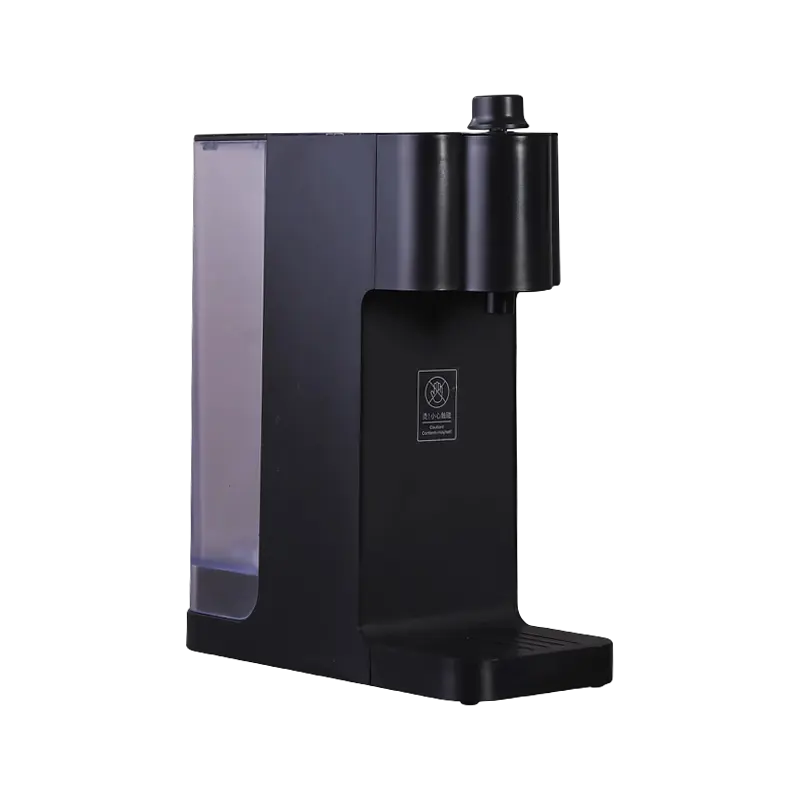
한국어The main benefits of using a water dispenser are immediate access to clean hot and cold water, significant cost savings over bottled water, reduced plastic waste, improved daily hydration habits, and consistent water quality. Whether in a home, office, school, or commercial setting, a water dispenser eliminates the inconvenience of boiling water, waiting for the refrigerator to chill water, or repeatedly purchasing single-use plastic bottles — delivering temperature-ready water on demand throughout the day.
The global water dispenser market was valued at approximately $3.2 billion in 2023 and continues to grow, driven by increasing awareness of hydration health benefits, rising concerns about plastic pollution, and the expanding range of dispenser types available for different budgets and settings. This guide examines every significant benefit of water dispensers in practical detail, backed by data that helps you evaluate whether a dispenser is the right choice for your situation.
Instant Access to Hot and Cold Water Saves Time Every Day
The most immediate and universally appreciated benefit of a water dispenser is the elimination of waiting. A standard electric kettle takes 3–5 minutes to boil water; a water dispenser with a hot water tank delivers water at 85–98°C instantly — no waiting, no supervision, no risk of forgetting a boiling kettle. Similarly, a dispenser's chilled water function delivers water at 5–12°C without the need to fill and wait for refrigerator jugs.
In an office environment with 20 employees, each making 3 hot drinks per day and spending an average of 3 minutes waiting for water to boil, a dispenser could save approximately 180 minutes of collective work time per day — equivalent to over 700 hours annually. Even in household settings, the cumulative time saving across multiple daily water uses adds up to a meaningful quality-of-life improvement.
Temperature Consistency for Different Needs
Modern dispensers offer multiple temperature outputs in a single unit:
- Hot water (85–98°C): Instant tea, coffee, instant noodles, baby formula preparation, and cooking without waiting for a kettle
- Ambient / room temperature: Drinking water without the taste effect of refrigeration — preferred by many adults for regular hydration
- Cold water (5–12°C): Refreshing drinking water, sports recovery, and warm-weather hydration without ice
- Warm water (35–45°C): Available on some models for baby formula, medicine preparation, and warm drinks without the scalding risk of boiling water
Significant Cost Savings Compared to Bottled Water
One of the most compelling and quantifiable benefits of a water dispenser is the long-term financial saving over purchasing bottled water. The cost difference is substantial and compounds rapidly.
| Water Source | Estimated Annual Cost (family of 4) | Cost per Liter | Notes |
|---|---|---|---|
| Single-use plastic bottles (500ml) | $800–$1,400 | $0.50–$1.50 | Includes convenience store pricing |
| Bottled water (bulk 5-gallon jugs) | $300–$600 | $0.08–$0.15 | Includes rental/deposit fees |
| Point-of-use (mains-fed) dispenser | $80–$180 | $0.002–$0.006 | Includes electricity + filter replacement |
| Bottleless dispenser (filtered tap) | $100–$220 | $0.003–$0.008 | Includes filter, electricity, and lease if rented |
A family that currently spends $1,000 per year on single-use bottled water switching to a mains-fed water dispenser with filtered output could realistically save $800–$900 annually — recovering the cost of a quality dispenser within 3–6 months. In office settings with 10–50 employees, annual savings from replacing bottled water with a point-of-use dispenser frequently exceed $2,000–$8,000 per year.
Water Dispensers Increase Daily Water Intake and Support Better Hydration
Access and convenience are the two most significant behavioral factors affecting daily water consumption. Research consistently shows that people drink more water when it is readily available at the right temperature. A water dispenser placed in a visible, accessible location removes both the inconvenience barrier (having to get up to fill a glass from the tap, heat water, or retrieve a bottle from the refrigerator) and the temperature barrier (room-temperature tap water is less appealing than chilled or properly heated water for many users).
The National Academies of Sciences, Engineering, and Medicine recommends a daily water intake of approximately 3.7 liters for adult men and 2.7 liters for adult women from all beverages and food sources. Studies of office environments show that employees with access to water dispensers consume an average of 23–31% more water daily than those relying on water fountains or tap water alone.
Health Consequences of Adequate Hydration
Improved hydration from consistent water dispenser use supports measurable health outcomes:
- Cognitive performance: Even mild dehydration of 1–2% body water loss causes measurable reductions in concentration, short-term memory, and reaction time — particularly relevant in office and educational settings
- Physical energy: Adequate hydration supports cardiovascular efficiency, muscle function, and reduces the subjective feeling of fatigue
- Kidney health: Higher water intake significantly reduces kidney stone risk — research shows that each 0.5 liter increase in daily water consumption reduces kidney stone recurrence by approximately 12%
- Skin health: Consistent adequate hydration supports skin elasticity and appearance, particularly in low-humidity office and climate-controlled environments
- Appetite regulation: Drinking water before and between meals can reduce overall caloric intake by promoting satiety — a 500ml glass of water before meals has been shown to reduce food intake by approximately 13% in some studies
Environmental Benefits: Dramatically Reducing Plastic Waste
The environmental case for water dispensers over single-use plastic bottles is compelling. Globally, approximately 1 million plastic bottles are purchased every minute, and less than 30% are recycled in most countries — the remainder ending up in landfills, waterways, and oceans where they persist for hundreds of years.
A typical office of 20 people consuming 2 liters of bottled water per day each generates approximately 14,600 plastic bottles per year. Switching to a single point-of-use water dispenser eliminates this waste entirely. For the individual household consuming 4 liters per day in single-use bottles, the switch to a dispenser prevents approximately 2,920 plastic bottles from entering the waste stream annually.
Carbon Footprint Comparison
The carbon footprint of bottled water goes beyond the bottle itself — it includes water extraction, purification, bottling, transportation, refrigeration at retail, and end-of-life disposal. Studies estimate the carbon footprint of bottled water at 100–200g CO₂ per liter compared to 0.1–0.3g CO₂ per liter for mains-fed filtered water dispensers. The dispenser option produces approximately 500–1,000 times less CO₂ per liter of water delivered. Even accounting for the electricity consumption of heating and cooling functions (a standard dispenser uses approximately 1–1.5 kWh per day), the environmental advantage of dispensers over bottled water is overwhelming.
Bottled Water Delivery Dispensers vs. Mains-Fed
Even bottled water dispensers using large 19-liter (5-gallon) jugs are significantly more sustainable than single-use bottles — the large returnable jugs are typically refilled and reused 40–50 times before recycling, dramatically reducing per-liter plastic use. However, mains-fed (point-of-use) dispensers that filter tap water directly eliminate bottle delivery transportation entirely, further reducing the environmental footprint.
Improved Water Quality and Safety Through Filtration
Many water dispensers — particularly point-of-use models — incorporate multi-stage filtration systems that improve water quality beyond what comes from the tap, addressing taste, odor, and contaminant concerns that cause people to distrust tap water.
Common Filtration Technologies in Dispensers
- Activated carbon filtration: Removes chlorine, chloramines, and organic compounds that cause the typical municipal water taste and odor. Most consumers find carbon-filtered tap water indistinguishable from premium bottled water in blind taste tests.
- Reverse osmosis (RO): High-performance filtration that removes dissolved solids, heavy metals (lead, arsenic), nitrates, fluoride, and virtually all contaminants to produce near-pure water. RO dispensers are recommended in areas with hard water, industrial contamination concerns, or unreliable municipal water quality.
- UV sterilization: Destroys bacteria, viruses, and other microorganisms without adding chemicals. UV-equipped dispensers provide an additional safety layer particularly valuable in areas with aging pipe infrastructure or periodic boil-water advisories.
- Sediment pre-filters: Remove particulate matter, rust, and suspended solids that can affect both taste and the longevity of downstream filtration stages.
It is worth noting that bottled water is not necessarily cleaner than filtered tap water. The EPA and WHO both note that municipal tap water in developed countries is typically subject to more rigorous and frequent testing requirements than bottled water. The primary quality benefit of filtered water dispensers is improvement over the average tap water taste and the removal of localized contaminants from building plumbing, not necessarily a safety advantage over the municipal supply itself.
Convenience and Lifestyle Benefits for Homes and Offices
Beyond the functional benefits of temperature and filtration, water dispensers provide practical lifestyle and operational advantages that improve daily routines in meaningful ways.
For Homes with Children and Elderly Family Members
- Child safety: Dispensers with child-lock hot water buttons prevent accidental scalding — a significant safety advantage over open kettles in households with young children. Models with childproof hot water locks are widely available and increasingly standard.
- Baby formula preparation: Instant access to the correct temperature water (warm, not boiling) simplifies formula preparation, particularly during nighttime feedings when time and convenience are critical.
- Elderly accessibility: Dispensers eliminate the need to lift and pour from heavy kettles or manage refrigerator pitchers — particularly valuable for individuals with limited grip strength or mobility.
For Office and Commercial Environments
- Employee productivity and morale: Access to quality hot and cold water is consistently cited in workplace satisfaction surveys as a valued benefit. It reduces the time employees spend leaving the office for coffee shop visits and increases on-site comfort.
- Meeting and visitor hospitality: Having instant hot water available eliminates the awkward wait when hosting clients or guests for tea or coffee — a small but meaningful professional impression.
- Reduced equipment clutter: A single dispenser can replace a kettle, a coffee machine's water supply, a water cooler, and a refrigerator water pitcher — simplifying the kitchen or break room setup and reducing the number of appliances to maintain.
Water Dispenser Types and Their Specific Benefits
Different dispenser types offer different combinations of benefits — understanding the distinctions helps match the right type to specific needs and settings.
| Dispenser Type | Key Benefits | Limitations | Best Setting |
|---|---|---|---|
| Top-load bottled (5-gallon jug) | No plumbing required; portable; known water source | Bottle changing required; ongoing bottle cost; storage space | Offices, rental properties, areas with poor tap water |
| Bottom-load bottled | Easier bottle changing (no lifting); sleeker appearance | More complex pump mechanism; higher cost than top-load | Homes with elderly users; premium office spaces |
| Point-of-use (mains-fed) | Unlimited water supply; lowest running cost; no bottles | Requires plumbing connection; installation cost | High-consumption offices; permanent home installations |
| Countertop / tabletop | Compact; affordable; easy to install and move | Smaller water tanks; takes counter space | Apartments, small offices, dorm rooms |
| Floor-standing (freestanding) | Larger capacity; more temperature options; professional appearance | Requires floor space; higher purchase cost | Offices, schools, gyms, reception areas |
Energy Efficiency: Modern Dispensers Are More Economical Than Perceived
A common concern about water dispensers is electricity consumption from continuously maintaining hot and cold water temperatures. While older dispenser models did consume significant energy, modern dispensers with improved insulation, energy-saving modes, and programmable operation timers are considerably more efficient.
- Standard dispenser without energy-save mode: Approximately 1.0–1.8 kWh per day, costing roughly $0.12–$0.22 per day at average U.S. electricity rates — less than $80 per year
- Modern dispenser with energy-save mode: 0.3–0.8 kWh per day — the energy-save mode reduces heating/cooling cycles during low-use periods (nights, weekends) by up to 70% through programmed dormancy schedules
- Comparison with kettle use: A household boiling a kettle 8 times per day at 1.5 kWh per full boil uses approximately 0.4–0.6 kWh daily for just hot water — comparable to an efficient dispenser that also provides chilled water and maintains hot water throughout the day
When purchasing a dispenser, look for Energy Star certification (available on many U.S. models) or equivalent energy efficiency ratings in other markets. Certified dispensers use at least 30% less energy than non-certified equivalents, and some bottleless dispenser models have received NSF certification for both filtration performance and energy efficiency.
Maintenance and Hygiene: Keeping the Benefits Consistent
The benefits of a water dispenser are only maintained when the unit is properly cleaned and maintained. A neglected dispenser can become a source of bacterial contamination that negates the quality benefits it was installed to provide.
Recommended Maintenance Schedule
- Daily: Wipe the dispensing area and drip tray with a clean cloth — the drip tray is the most frequent site of bacterial growth if allowed to collect standing water
- Every 3–6 months: Full internal sanitization — drain and clean all internal tanks, tubes, and spigots with food-grade sanitizing solution (dilute bleach or food-safe dispenser cleaner)
- Filter replacement: Carbon and sediment filters typically require replacement every 3–6 months; RO membranes every 12–24 months depending on water quality and usage volume. Using expired filters reduces both water quality and flow rate
- Bottle-type dispensers: Clean the bottle neck contact area every time a new jug is installed; inspect the reservoir and lines for slime or discoloration quarterly
Professional maintenance services are available for office dispensers and typically cost $50–$120 per service visit — a reasonable investment for high-use commercial dispensers that should be sanitized every 3–4 months to maintain hygienic water delivery.
Summarizing the Benefits: Is a Water Dispenser Right for You?
The benefits of a water dispenser are strongest in specific situations. The following guide helps identify whether the investment is justified for your particular context:
- You currently spend more than $20/month on bottled water: A dispenser will pay for itself within 6–18 months and generate significant savings long-term — the financial case is clear.
- You have young children or elderly family members: The safety, accessibility, and convenience benefits are particularly high — a dispenser with childproof locks and easy-access controls addresses real household needs.
- You or your family finds tap water unpalatable: A filtered dispenser will likely eliminate the taste issue and reduce or eliminate bottled water purchase entirely.
- You manage an office or commercial space: Both the cost savings and the employee welfare benefits make a dispenser a straightforward business decision for most commercial settings with 5+ regular users.
- You drink adequate tap water from the faucet and have no quality concerns: The benefits are more marginal — a quality reusable water bottle and a basic refrigerator pitcher may serve your needs without the additional appliance.
For most households and virtually all commercial settings where water is regularly consumed, a water dispenser delivers a measurable combination of health, financial, environmental, and convenience benefits that justify the investment within the first year of use.