

 English
 日本語
日本語 Español
 한국어
한국어The most effective things to put in a foot bath are Epsom salt, essential oils, apple cider vinegar, and baking soda — each targeting a specific concern such as muscle soreness, odor, dry skin, or fungal issues. Used alone or in combination, these ingredients transform a simple soak into a therapeutic treatment that softens skin, relieves tension, and addresses common foot problems.
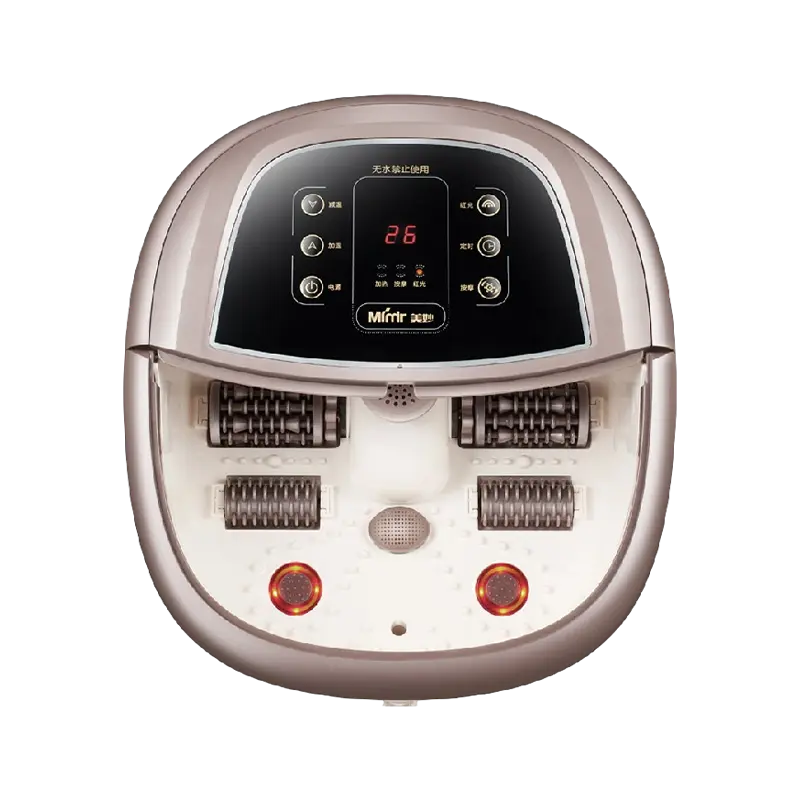
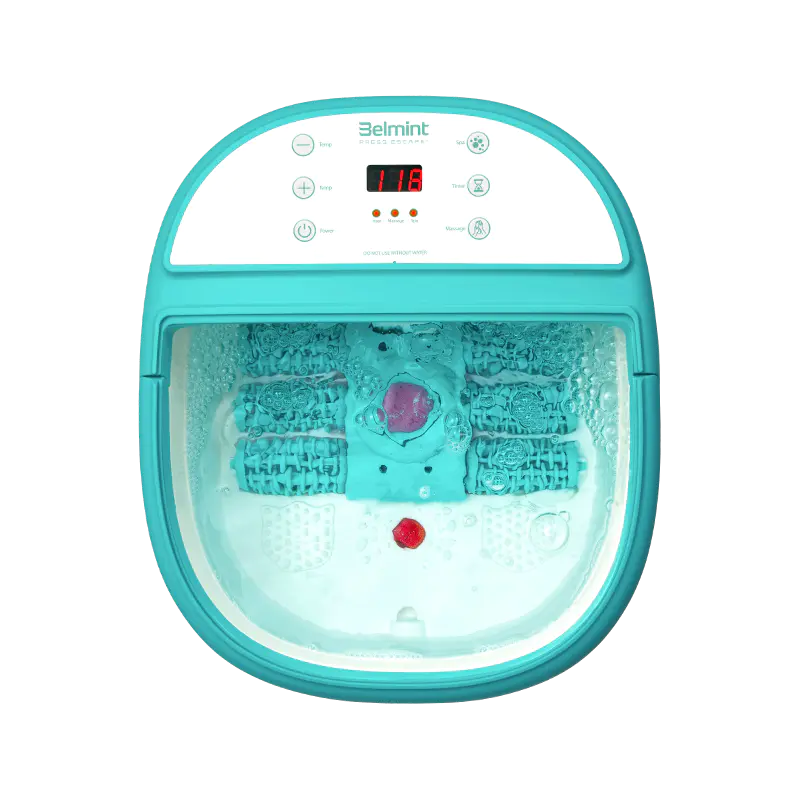
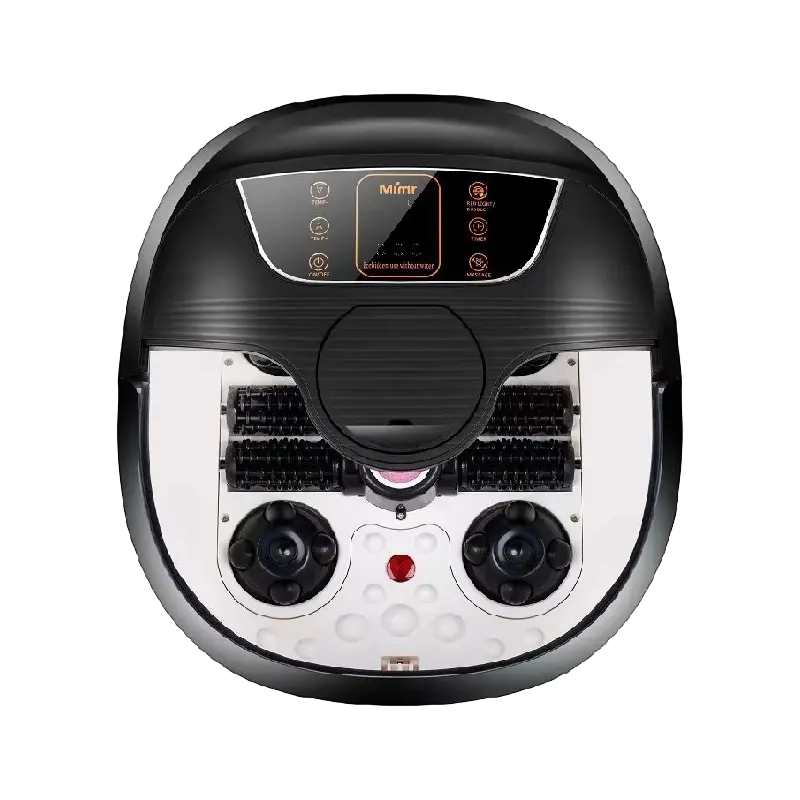
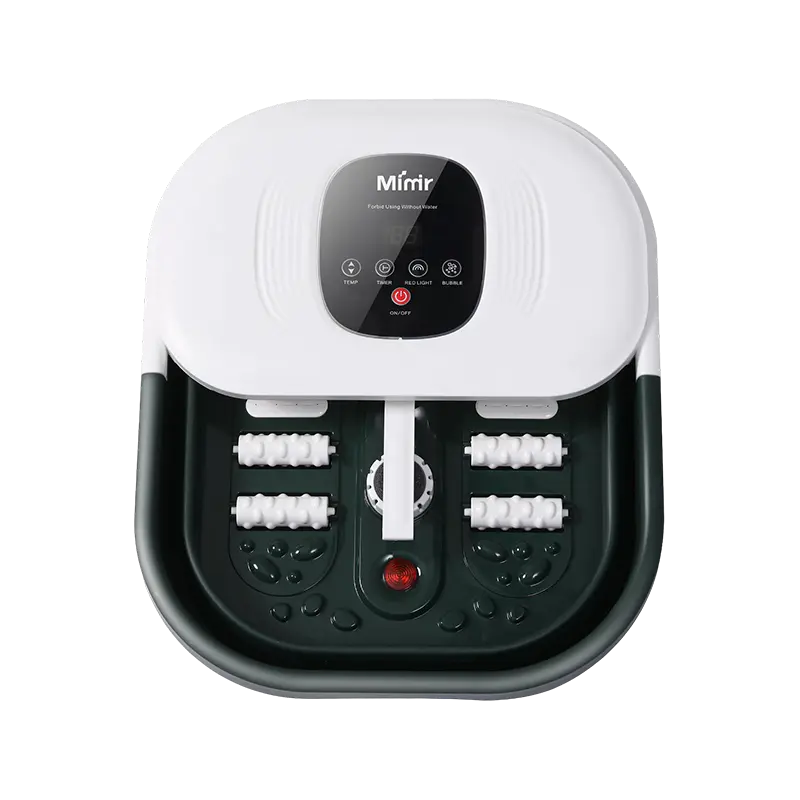
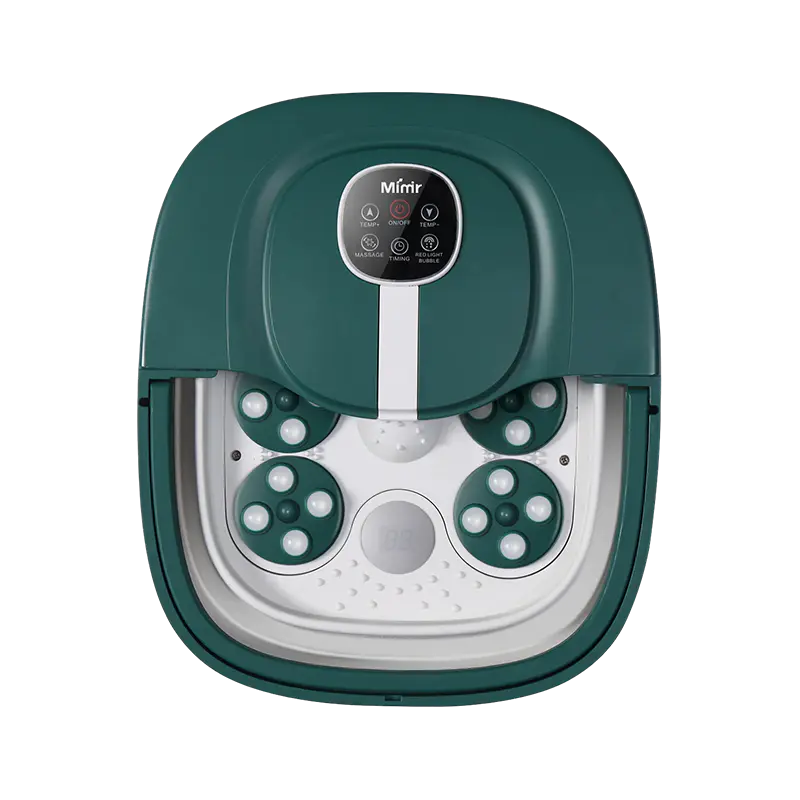
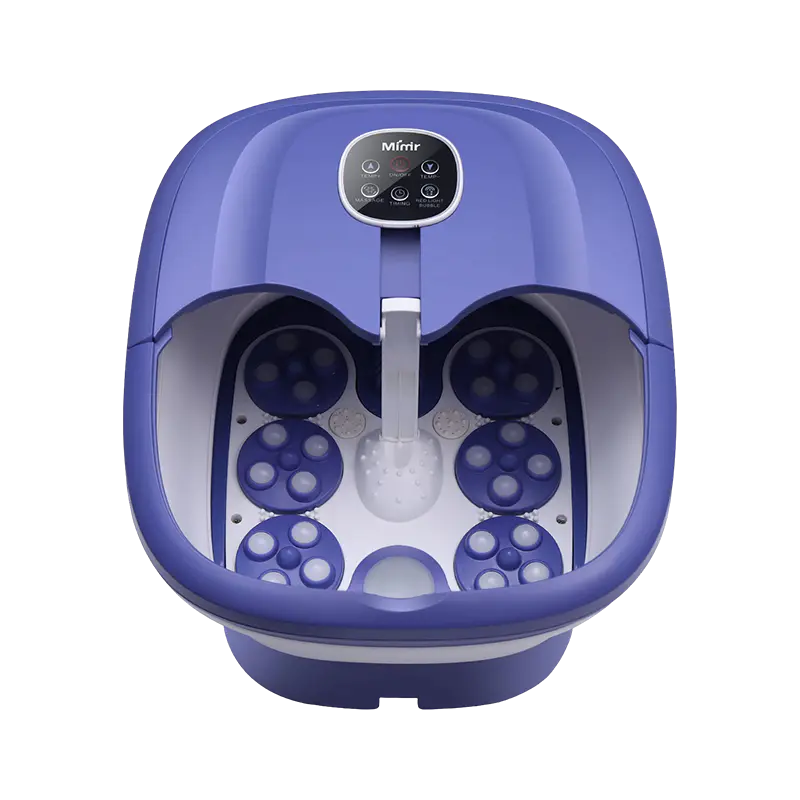
Whether you use a basic plastic tub, a collapsible foot spa bath for easy storage, or a powered foot spa bath massager with heat and jets, the ingredients you add determine most of the benefit. This guide covers what to use, how much, what to avoid, and how to combine ingredients for targeted results.
Epsom Salt — The Most Effective Base Ingredient
Epsom salt (magnesium sulfate) is the single most widely recommended foot soak ingredient, and for good reason. When dissolved in warm water, it helps relax overworked muscles, reduce swelling, soften rough skin, and draw out minor splinters or ingrown nail irritation. Many users report noticeable reduction in foot and calf soreness after just 15–20 minutes of soaking.
While the scientific debate on transdermal magnesium absorption continues, the mechanical softening and osmotic effects of Epsom salt on thickened skin are well-documented in podiatric practice. It is safe for most adults and costs very little — typically $0.10–$0.30 per soak.
How to Use Epsom Salt in a Foot Bath
- Add ½ to 1 cup (120–240g) of Epsom salt per gallon of warm water
- Water temperature should be 100–105°F (38–40°C) — warm but not uncomfortably hot
- Stir until fully dissolved before placing feet in the water
- Soak for 15–20 minutes — longer soaking can over-soften and temporarily weaken skin
- Use 2–3 times per week for ongoing muscle soreness or callus management
Epsom salt works particularly well in a foot spa bath massager because the warm jets help dissolve and distribute the salt evenly while massaging salt-softened skin simultaneously.
Essential Oils — Aromatherapy and Targeted Skin Benefits
Essential oils are a powerful secondary ingredient that can transform the sensory and therapeutic profile of any foot soak. Because they do not dissolve in water on their own, they must always be diluted in a carrier oil (such as sweet almond, jojoba, or coconut oil) before being added to the bath — typically 1–2 drops of essential oil per teaspoon of carrier oil. Adding undiluted essential oils directly to water risks skin irritation, particularly between the toes.
| Essential Oil | Primary Benefit | Recommended Amount | Best For |
|---|---|---|---|
| Peppermint | Cooling, pain relief | 3–5 drops (diluted) | Tired, aching feet |
| Lavender | Relaxation, anti-inflammatory | 4–6 drops (diluted) | Stress relief, evening soak |
| Tea Tree | Antifungal, antibacterial | 2–4 drops (diluted) | Odor, athlete's foot |
| Eucalyptus | Decongestant, refreshing | 3–5 drops (diluted) | Post-exercise recovery |
| Rosemary | Circulation, muscle relief | 3–4 drops (diluted) | Cold feet, poor circulation |
| Lemon | Brightening, softening | 2–3 drops (diluted) | Dull, rough skin |
Apple Cider Vinegar — Best for Odor and Fungal Issues
Apple cider vinegar (ACV) is one of the most effective natural ingredients for foot odor and mild fungal concerns. Its acetic acid content creates an acidic environment — typically around pH 3 — that inhibits the growth of odor-causing bacteria and the fungi responsible for conditions like athlete's foot (tinea pedis). It also helps exfoliate dead skin cells due to its mild acidity.
For best results, add ½ to 1 cup (120–240ml) of raw, unfiltered apple cider vinegar to a full foot bath of warm water. Soak for 15–20 minutes, up to once daily during active flare-ups. The vinegar smell dissipates quickly after rinsing.
Important: do not use ACV on cracked, broken, or bleeding skin — the acidity causes significant stinging and can delay healing. For severe or persistent fungal infections, consult a podiatrist rather than relying solely on home soaks.
Baking Soda — Deodorizing and Skin-Softening Soak
Baking soda (sodium bicarbonate) works through a different mechanism than ACV — it raises the pH of the water slightly, creating an alkaline environment that neutralizes foot odor and softens thickened skin. It is particularly effective for people whose feet are too sensitive for acidic soaks.
- Add 3–4 tablespoons (45–60g) of baking soda per gallon of warm water
- Soak for 15–20 minutes to soften calluses before using a pumice stone
- Combine with a few drops of tea tree oil for enhanced deodorizing effect
- Safe for daily use and compatible with most foot spa bath massager basins
Baking soda and apple cider vinegar should not be combined in the same foot bath — they neutralize each other through an acid-base reaction, significantly reducing the effectiveness of both.
Hydrogen Peroxide — For Calluses and Mild Disinfection
A 3% hydrogen peroxide solution (the standard drugstore concentration) added to a foot bath helps soften hardened calluses, disinfect minor cuts or hangnails, and whiten yellowed toenails. It releases oxygen on contact with skin, creating a gentle bubbling effect that aids in loosening dead tissue.
- Add ½ cup (120ml) of 3% hydrogen peroxide per gallon of warm water
- Soak for no more than 20 minutes — prolonged exposure can dry and irritate skin
- Use once or twice per week, not daily
- Do not use concentrations above 3% on skin — higher concentrations cause chemical burns
Oatmeal and Milk — Soothing Soaks for Dry or Irritated Skin
For dry, itchy, or eczema-prone feet, colloidal oatmeal and whole milk are among the most soothing additions possible. Colloidal oatmeal contains avenanthramides and beta-glucan, compounds clinically shown to reduce skin inflammation and restore the skin barrier. Whole milk contains lactic acid — a gentle alpha-hydroxy acid (AHA) that exfoliates dead skin while the fat content moisturizes.
- Colloidal oatmeal: Add ½ cup (60g) of finely ground oats to warm water; stir until milky and slightly thickened
- Whole milk soak: Add 1–2 cups (240–480ml) of full-fat milk to warm water; soak for 15 minutes
- Both are ideal for use in a collapsible foot spa bath that can be rinsed easily afterward — milk residue can leave a slight film in electric spa basins
- Follow immediately with a rich foot cream or shea butter to seal in moisture
Epsom Salt Combinations: Recipes for Specific Goals
Combining Epsom salt with complementary ingredients creates targeted foot soak recipes far more effective than any single ingredient alone. Below are four practical formulations for the most common foot care goals.
Recipe 1 — Sore Muscle Relief
- 1 cup Epsom salt
- 5 drops peppermint essential oil (diluted in 1 tsp carrier oil)
- 3 drops eucalyptus essential oil (diluted)
- Water at 102–104°F; soak 20 minutes
Recipe 2 — Callus Softening and Exfoliation
- ½ cup Epsom salt
- 3 tablespoons baking soda
- 1 tablespoon coconut oil
- Soak 20 minutes, then use pumice stone while skin is still damp
Recipe 3 — Odor and Fungus Control
- ½ cup apple cider vinegar
- 4 drops tea tree essential oil (diluted in 1 tsp jojoba oil)
- Warm water only — no Epsom salt in this formulation
- Soak 15–20 minutes; dry thoroughly between toes afterward
Recipe 4 — Relaxing Evening Soak
- 1 cup Epsom salt
- 6 drops lavender essential oil (diluted in 1 tsp sweet almond oil)
- 1 chamomile tea bag steeped directly in the bath water
- Water at 100–103°F; soak 20 minutes before bed
What to Put in a Foot Spa Bath Massager vs. a Simple Basin
Not every ingredient is compatible with powered foot spa bath massager units. Electric foot spas have pumps, jets, rollers, and heating elements that can be damaged or clogged by certain additives. Following these compatibility guidelines protects your equipment while still allowing most beneficial ingredients.
| Ingredient | Electric Foot Spa Massager | Simple Basin / Collapsible Foot Spa | Notes |
|---|---|---|---|
| Epsom Salt | Compatible | Compatible | Rinse unit thoroughly after use |
| Essential Oils (diluted) | Use sparingly | Compatible | Max 3–4 drops; oils can coat jets |
| Apple Cider Vinegar | Use with caution | Compatible | Acidity may damage plastic over time |
| Baking Soda | Compatible | Compatible | Dissolve fully before use |
| Milk / Oatmeal | Not recommended | Compatible | Can clog jets and leave residue |
| Hydrogen Peroxide | Use with caution | Compatible | May bleach colored plastic components |
| Bubble Bath / Soap | Not recommended | Small amounts only | Creates foam that damages pump motors |
A collapsible foot spa bath offers a practical middle ground — it provides the containment and comfort of a dedicated foot soak vessel, folds flat for storage, and has no electronic components to protect, meaning you can use any ingredient combination freely without equipment concerns.
Ingredients to Avoid in a Foot Bath
Some common household products are genuinely harmful when used in foot baths, despite appearing in unverified online recipes. Avoid these entirely:
- Bleach (undiluted): Even diluted bleach at concentrations above 0.05% can cause chemical burns, strip the skin barrier, and cause lasting damage to cracked heels
- Rubbing alcohol: Intensely drying — strips natural skin oils and causes microcracks, worsening the conditions it's meant to treat
- Undiluted essential oils: Direct contact with neat (undiluted) essential oil causes chemical burns, particularly in the sensitive skin between toes
- Very hot water above 110°F (43°C): Scalds skin and poses serious risk for people with diabetes or neuropathy who may not feel the temperature accurately
- Regular table salt in large amounts: High concentrations draw moisture out of skin cells and can worsen dry or cracked skin — Epsom salt is a far better alternative
People with diabetes, peripheral neuropathy, open wounds, or active skin infections should consult a healthcare provider before using any foot soak ingredients, as reduced sensation and compromised healing can turn even a gentle soak into a risk.
How Often to Use a Foot Bath and What to Do Afterward
Frequency matters as much as ingredients. Over-soaking softens skin to the point where it becomes more vulnerable to tears, infection, and moisture loss — particularly around the heels.
- General maintenance: 2–3 times per week for 15–20 minutes is the optimal frequency for most adults using Epsom salt or essential oil soaks
- Callus treatment: 3–4 times per week during an active callus reduction program; follow each soak with pumice stone use
- Fungal or odor treatment: Once daily with ACV or tea tree oil for up to 2 weeks; then reduce to 2–3 times per week for maintenance
- Post-soak routine: Pat feet dry thoroughly — especially between toes — within 2 minutes of finishing. Apply a rich foot cream or urea-based moisturizer (10–25% urea) while skin is still slightly damp to lock in hydration
- Clean your equipment: Rinse the foot spa bath massager or collapsible foot spa bath with clean water after every use; disinfect weekly with a mild soap solution to prevent bacterial or mold buildup