

 English
 日本語
日本語 Español
 한국어
한국어What Is an Instant Hot Water Dispenser
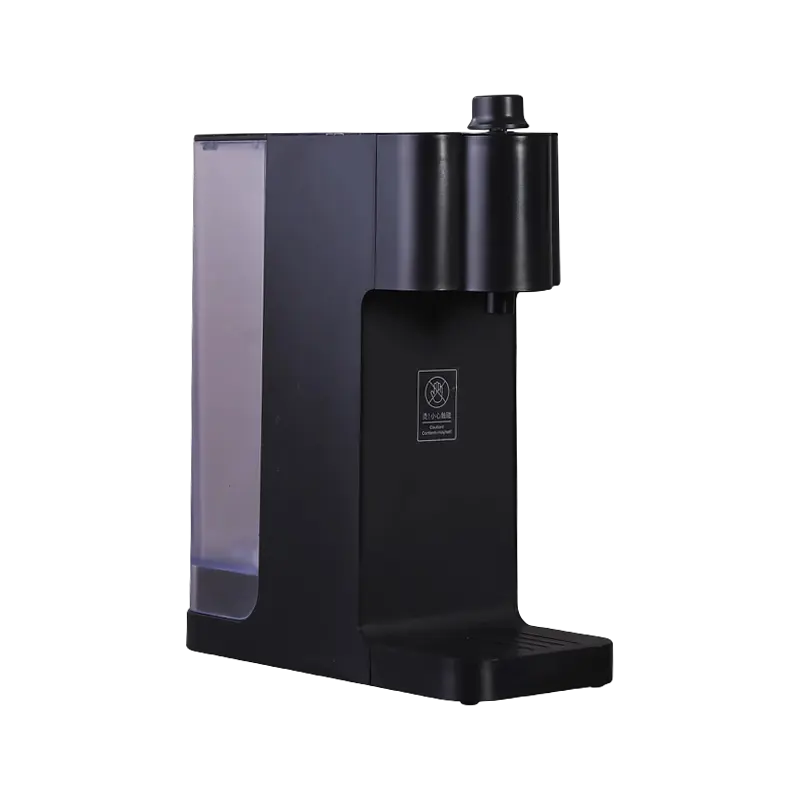
An instant hot water dispenser is a small countertop or under-sink appliance that stores a limited volume of water in an insulated mini-tank and keeps it heated at all times, so near-boiling water (typically 90-98°C) comes out the tap within 1-3 seconds rather than requiring a kettle to be boiled or a faucet to run until hot. Most residential units hold between 2.5 and 4 liters of pre-heated water, refilling and reheating automatically as water is drawn out.
This makes it functionally different from a standard water heater, which heats water on demand or in a large tank for general household use; an instant dispenser exists specifically to eliminate the 3-5 minute wait of boiling a kettle for tasks like making tea, instant noodles, or baby formula.
How Instant Hot Water Dispensers Work
Despite the name, most instant hot water dispensers don't heat water instantly from cold. Instead, they rely on a small insulated reservoir that stays continuously heated, so hot water is always on standby and ready to dispense the moment the tap is opened.
The Insulated Tank and Heating Element
A heating element, usually rated between 500W and 1,500W, sits inside or wraps around a small stainless steel tank. A thermostat cycles the element on and off to maintain a set temperature, similar in principle to a thermos that actively reheats itself rather than just retaining heat passively.
Cold Water Inlet and Automatic Refill
As hot water is dispensed, a float valve or pressure-activated valve allows an equal volume of cold water to enter the tank, which then gets reheated. Recovery time, the time needed to bring fresh water back up to temperature, typically ranges from 10 to 15 minutes for a full tank refill on standard residential units.
Types of Instant Hot Water Dispensers
Three main configurations are sold for residential and light commercial use, each suited to different installation setups and usage volumes.
| Type | Tank Capacity | Best For |
|---|---|---|
| Under-sink tank style | 2.5-4 liters | Kitchen tea/coffee use, fixed faucet installation |
| Countertop standalone | 1.5-3 liters | Renters, offices, no plumbing modification needed |
| 3-in-1 boiling/hot/cold faucet | 3-5 liters | Kitchen remodels replacing a kettle entirely |
The 3-in-1 faucet style has become the most popular upgrade choice in kitchen renovations because it replaces both the kettle and a separate cold filtered water dispenser with a single fixture.
Key Specifications to Check Before Buying
Comparing dispensers on a few core specifications avoids buying a unit that's either undersized for daily use or oversized for available counter or under-sink space.
| Specification | Typical Range | Why It Matters |
|---|---|---|
| Tank capacity | 1.5-5 liters | Determines how many cups dispensed before reheating is needed |
| Heater wattage | 500-1,500W | Affects recovery speed and standby power draw |
| Adjustable temperature range | 85-98°C | Lower settings save energy; higher needed for true boiling tasks |
| Recovery time (full tank) | 10-20 minutes | Matters for households making multiple hot drinks back to back |
Energy Consumption and Operating Cost
Because the tank stays heated around the clock, standby energy use matters as much as the energy spent heating each cup of water. A typical 1,000W unit drawing standby power to maintain temperature for roughly 10-15 minutes per hour of cycling consumes approximately 0.15-0.25 kWh per day when idle, which at average electricity rates adds up to roughly $5-10 per month in most regions.
By comparison, boiling a full kettle (around 1.5 liters) typically uses about 0.15 kWh per boil, so households making fewer than 4-5 hot drinks per day may find a kettle marginally cheaper overall, while heavier daily users often save energy with a dispenser since it avoids repeatedly boiling more water than needed for a single cup.
Benefits Over a Kettle or Standard Water Heater
An instant hot water dispenser offers several practical advantages that explain its growing popularity in both home kitchens and office break rooms.
- Speed – hot water is available in 1-3 seconds versus 3-5 minutes for a kettle to come to a boil
- Precise temperature control – many models allow setting an exact target temperature rather than only full boiling, useful for delicate teas that scald at full boil
- Counter space savings – a built-in faucet dispenser frees up the space a kettle would otherwise occupy
- No exposed boiling kettle – reduces accidental burn risk in households with small children, since the dispenser only releases the amount of water actively poured
- Dispenses exact amounts needed – avoids the energy waste of boiling more water than a single cup requires
Installation Considerations
Installation requirements differ significantly depending on whether the unit is a standalone countertop appliance or a plumbed-in under-sink system.
Under-Sink Tank Systems
These require a dedicated cold water line tap-in (usually from the existing cold supply under the sink), a standard electrical outlet, and roughly 30x30x40cm of clear cabinet space for the tank unit itself, plus a separate faucet hole drilled into the countertop if one doesn't already exist.
Countertop Standalone Units
These need no plumbing at all; water is manually poured into a reservoir, and the unit only requires access to a power outlet, making them the simpler option for renters or offices where plumbing modification isn't possible.
Common Issues and Maintenance Tips
Most service issues with instant hot water dispensers trace back to mineral buildup or a worn heating element rather than major mechanical failure.
- Descale the tank every 3-6 months in hard water areas, since mineral scale buildup on the heating element is the leading cause of reduced heating efficiency
- Check and replace the inlet filter cartridge if the unit includes one, typically every 6 months depending on water quality
- Listen for unusual cycling sounds, which often indicate the thermostat is struggling to maintain set temperature due to scale insulation on the element
- Avoid setting temperature higher than necessary for daily use, since running consistently near the maximum 98°C setting accelerates both scale buildup and element wear
- If water output slows noticeably, check for mineral clogging in the faucet spout or aerator before assuming the heating unit itself has failed
How to Choose the Right Instant Hot Water Dispenser
Matching the dispenser to actual household usage patterns avoids both underwhelming performance and unnecessary cost.
- Choose a larger tank (4-5 liters) if multiple people in the household make hot drinks within the same short window, such as morning coffee routines
- Pick an under-sink plumbed model for permanent kitchen installations, and a countertop unit for rented spaces or offices
- Confirm the unit supports adjustable temperature rather than a single fixed boiling setting, which adds flexibility for tea, baby formula, and cooking tasks that each need different temperatures
- Check for a child-safety lock feature on the dispensing lever if young children are in the household
- Verify warranty length and availability of replacement heating elements, since this part is the most likely component to need replacement over the unit's lifespan
For most households making 3 or more hot drinks daily, an instant hot water dispenser pays back its cost in convenience and modest energy savings within the first year of regular use compared to repeatedly boiling a full kettle for single servings.