

 English
 日本語
日本語 Español
 한국어
한국어Introduction
After a long day of work, there's nothing quite as soothing as soaking your feet in warm, calming water. Foot spa bath massagers offer a simple yet luxurious way to unwind, providing not only relaxation but also relief from common foot issues like plantar fasciitis, arthritis, and general foot pain. These at-home devices combine the benefits of a warm foot bath with gentle massaging features that promote stress relief and circulation.
From vibration and massage rollers to heated water and jets, foot spa bath massagers come equipped with a variety of features designed to enhance your foot care routine. Whether you're looking to ease pain, improve skin texture, or simply relax, these massagers make it easy to enjoy a spa-like experience in the comfort of your own home.
Benefits of Foot Spa Bath Massagers
Foot spa bath massagers offer a variety of health benefits that go beyond just relaxation. Whether you suffer from chronic foot pain or simply need a moment to decompress, these devices are designed to improve your overall well-being.
Stress Reduction and Relaxation
In our fast-paced world, stress can build up in many areas of the body, but one of the most noticeable places is in our feet. After standing, walking, or running for long hours, your feet may feel tired, sore, and tight. Soaking them in warm water, accompanied by a gentle massage, can help to relieve tension and promote deep relaxation.
The heat from the water helps to soothe sore muscles and encourages the release of endorphins, the body’s natural feel-good hormones. In addition, the gentle vibrations and massaging rollers stimulate pressure points in the feet, further enhancing relaxation. Many people report feeling a noticeable decrease in stress after using a foot spa bath massager for just 15 to 30 minutes, making it an effective addition to any self-care routine.
For those who lead hectic lives, this kind of relaxation can be a quick and accessible way to unwind, de-stress, and improve mental clarity.
Pain Relief (e.g., Plantar Fasciitis, Arthritis)
One of the most common reasons people seek out foot spa bath massagers is to help alleviate foot pain, especially for those who suffer from conditions like plantar fasciitis, arthritis, and other common foot ailments.
- Plantar Fasciitis: This condition, which involves inflammation of the tissue that connects the heel to the toes, can cause intense pain in the arch of the foot. The warm water in a foot spa bath massager can help to reduce inflammation and ease pain. Additionally, the massage rollers gently work the foot, providing relief from the tightness that contributes to discomfort.
- Arthritis: For those dealing with arthritis in the feet, the gentle vibration and warmth of a foot spa can provide soothing relief. Heat therapy is commonly used to reduce joint stiffness and inflammation, and the massaging features help to increase circulation, improving the mobility of stiff joints. Regular use of a foot spa bath massager may even delay the progression of arthritis by keeping the feet more flexible and less prone to pain.
For many, a foot spa bath massager becomes an essential tool for managing chronic foot pain, offering both short-term relief and long-term benefits.
Improved Circulation
Poor circulation can lead to a variety of issues, from cold feet to swelling, cramping, and more serious conditions like deep vein thrombosis (DVT). Foot spas that offer heat therapy and massaging functions can help promote blood flow and improve circulation throughout the body.
The combination of warm water and gentle massage stimulates blood vessels, causing them to expand and improve blood flow. Better circulation can help to reduce swelling, especially for those who have been on their feet all day or are prone to varicose veins.
Regular use of a foot spa bath massager can not only ease discomfort from poor circulation but also help to improve overall health, as blood carries essential nutrients and oxygen throughout the body. For people who suffer from conditions like diabetes or high blood pressure, regular foot treatments can be a proactive step in managing health.
Softening of Skin and Removal of Calluses
Foot care goes beyond relaxation and pain relief—it also contributes to better foot hygiene and the maintenance of soft, smooth skin. If you’ve ever dealt with cracked heels, rough patches, or calluses, a foot spa bath massager can provide much-needed assistance in improving the texture of your feet.
Soaking your feet in warm water softens the skin, making it easier to remove dead skin cells and calluses. Many foot spa bath massagers come with built-in exfoliation features such as pumice stones, brushes, or massage rollers that effectively scrub away rough patches. Regular use can leave your feet feeling smoother and more comfortable, preventing the buildup of hardened skin that can lead to discomfort and cracks.
Moreover, a well-maintained foot care routine can improve your confidence, as soft, smooth feet are often a key part of overall personal care.
Enhanced Foot Hygiene
In addition to softening skin, foot spa bath massagers help maintain overall foot hygiene. For many people, keeping feet clean and healthy requires more than just a basic wash in the shower. The massaging action in a foot spa bath can stimulate the feet, helping to improve blood circulation, which in turn promotes healthier, cleaner skin.
Foot spas that feature a bubbling or jet function also help to clean the feet by removing dirt and grime trapped in crevices. As a result, these devices contribute to better foot hygiene, which is especially important for those who engage in physical activities, wear tight shoes, or have medical conditions like athlete's foot.
Detoxification
A less commonly known benefit of foot spa bath massagers is their potential for detoxification. Some foot spas allow you to add essential oils or Epsom salts to the water, which not only helps to relax the muscles but can also aid in drawing out toxins from the body through the feet.
Epsom salts, for example, are rich in magnesium, which has been shown to improve circulation and reduce inflammation. Essential oils such as lavender, eucalyptus, and peppermint are often used for their soothing and anti-inflammatory properties, offering additional benefits for stress relief and pain management.
Although the detoxifying claims associated with foot spas are debated, many users find that the combination of heat, massage, and soothing additives can leave them feeling refreshed and rejuvenated.
Better Sleep Quality
Using a foot spa bath massager before bed can promote better sleep. The relaxation from the warm water, gentle vibrations, and massaging action can ease tension and prepare the body for rest. As mentioned earlier, the release of endorphins helps to calm the mind and body, signaling that it’s time to wind down.
For people who struggle with insomnia or have difficulty falling asleep due to stress, using a foot spa massager as part of an evening routine can be an effective way to signal to the body that it's time to relax. The calming effect on the feet and the body as a whole can improve sleep quality, leaving you feeling more rested and refreshed the following day.
Convenience and Cost-Effectiveness
In addition to the health benefits, one of the main advantages of owning a foot spa bath massager is the convenience it offers. Professional spa treatments can be costly and require you to take time out of your schedule. However, having a foot spa massager at home means you can enjoy a soothing, spa-like experience at any time, without the need for an appointment or a hefty price tag.
Moreover, foot spas are easy to use and require little maintenance. Most models are portable, compact, and simple to store, making them ideal for small spaces. Whether you’re looking for an occasional treat or a regular part of your self-care routine, foot spa bath massagers provide an affordable solution.
Key Features to Consider
When shopping for a foot spa bath massager, there are several key features to take into account. The right features will depend on your individual needs and preferences, but understanding these options can help you make an informed decision.
Temperature Control
One of the most essential features of any foot spa bath massager is temperature control. Maintaining a comfortable water temperature is crucial for maximizing the benefits of a foot soak. Warm water helps to relax the muscles, improve circulation, and soothe aching feet.
Most foot spas will allow you to set the water temperature anywhere from lukewarm to hot, with many models offering adjustable settings. However, some lower-end models may have a fixed temperature or no temperature control at all, which can make it difficult to maintain the ideal heat level throughout your soak.
Why it matters:
- Consistent heat is important to prevent the water from cooling down too quickly, as this can interrupt the relaxation process.
- Customizable temperature ensures that you can tailor the experience to your needs, whether you’re looking for a gentle warm soak or a more intense heat therapy session.
Look for a model that offers a wide range of temperatures and has a built-in system to regulate heat efficiently, ensuring you get the maximum benefit from the treatment.
Massage Rollers
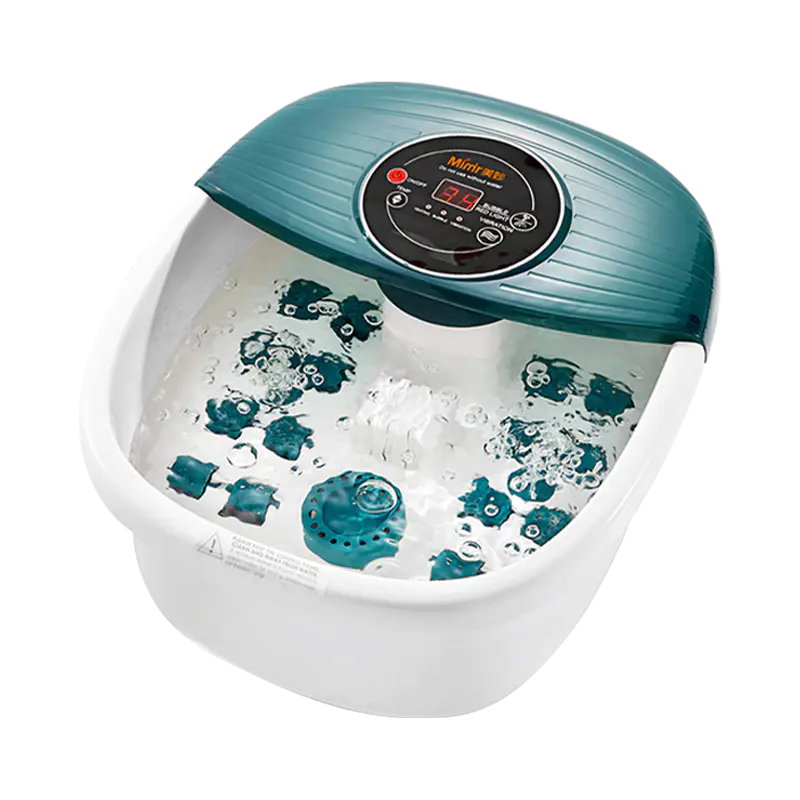
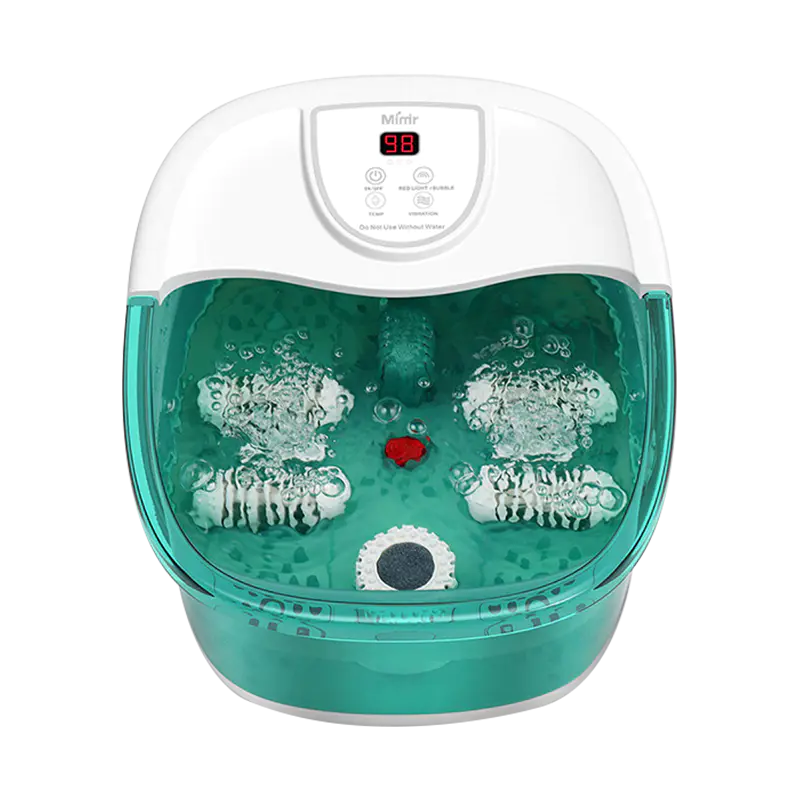
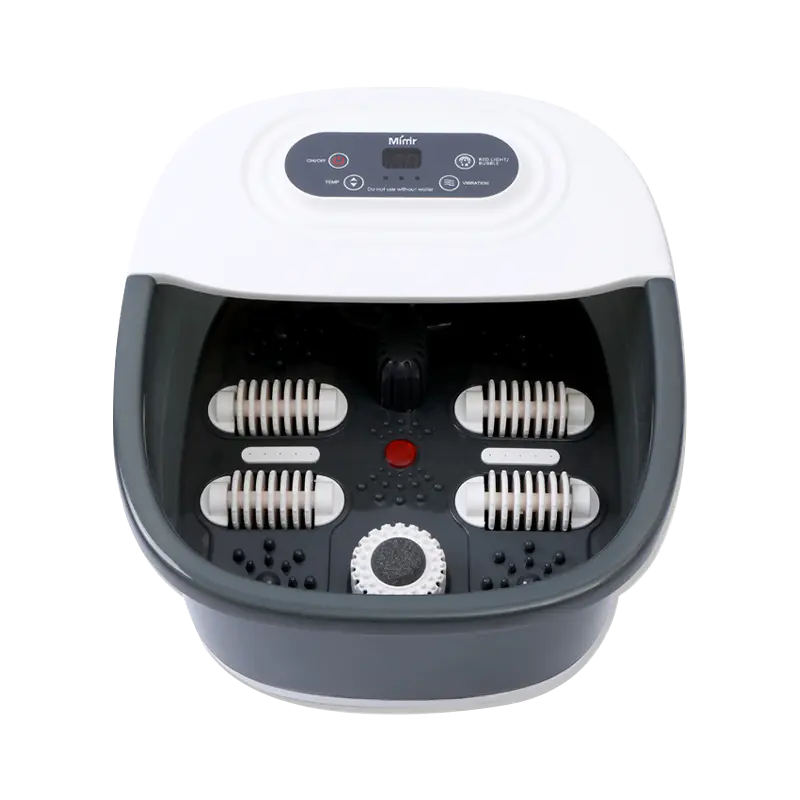
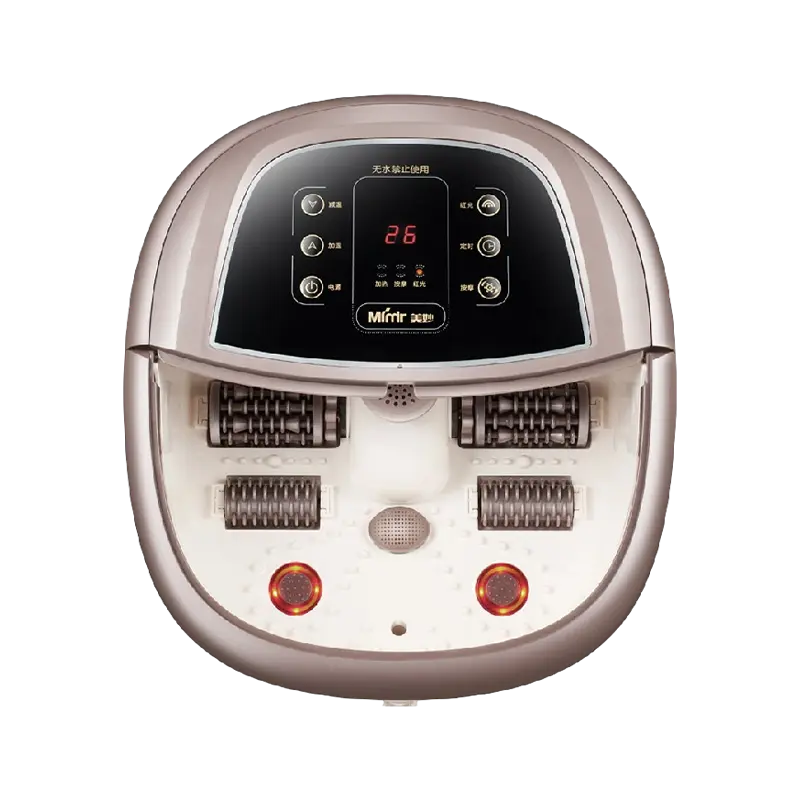
Massage rollers are one of the standout features in foot spa bath massagers. These rollers are designed to target pressure points in the feet, providing a deep massage that can relieve tension and pain. Some models come with rolling balls, others with nodes or rotating discs, but all have the same goal: to give your feet a thorough and relaxing massage.
The quality and design of the massage rollers can vary from model to model. Some may be adjustable, allowing you to customize the intensity of the massage, while others may offer more basic functionality. High-end models may feature multiple massage settings, such as gentle, medium, or strong pressure.
Why it matters:
- Pressure point stimulation: Rolling massage rollers target acupressure points, helping to alleviate discomfort from conditions like plantar fasciitis, arthritis, and general foot pain.
- Customization: Being able to adjust the intensity of the massage allows you to cater to your comfort levels or therapeutic needs.
- Effectiveness: Massage rollers help to loosen tight muscles, reduce foot fatigue, and increase circulation, promoting overall foot health.
If you have specific foot conditions or pain points, consider a foot spa that offers multiple roller settings for a customizable experience.
Vibration
Vibration massage is a popular feature found in many foot spa bath massagers. This feature uses subtle vibrations to stimulate the muscles and nerves in your feet, enhancing relaxation and promoting blood flow. While not as intense as a massage roller, the vibration feature is great for providing a soothing, low-impact massage experience.
Why it matters:
- Enhanced relaxation: Gentle vibrations help to release built-up tension, which is particularly beneficial for people with chronic foot pain or stress-related foot issues.
- Pain relief: Vibration therapy can increase blood flow to the feet, providing pain relief for conditions like plantar fasciitis and arthritis.
- Comfort: Vibration settings can often be adjusted, allowing you to control the level of intensity based on your needs.
If you’re looking for a more subtle and relaxing experience, a foot spa with vibration may be the ideal choice. However, for deeper muscle relief, you may want to opt for a model that combines vibration with massage rollers.
Jets and Bubbles
Jets and bubbles are features that help create a true spa-like experience. These features add a level of luxury to your foot soak, with jets creating a gentle water massage and bubbles offering a light, soothing effervescence.
Some foot spas have water jets that aim directly at your feet, providing targeted pressure and massaging effects. Bubbles, on the other hand, offer a more diffuse form of gentle massage and can add to the overall relaxation experience. Depending on the model, you might find jets and bubbles that can be turned on or off based on your preference.
Why it matters:
- Spa-like experience: Jets and bubbles create a more immersive and enjoyable soak, turning your foot care routine into a luxurious ritual.
- Stimulates blood circulation: The gentle massage from the jets and bubbles can help improve circulation in your feet, enhancing the health benefits of the soak.
- Relaxation and stress relief: The combination of bubbles and jets can reduce stress by relaxing the muscles and soothing tired feet.
If you’re someone who enjoys a more luxurious or thorough massage experience, consider a model with both jets and bubbles. These features can take your foot spa experience to the next level.
Timer Settings
Timer settings are an important consideration when choosing a foot spa bath massager. The ability to set a timer ensures that you don’t over-soak your feet, especially if you’re using hot water. Most models allow you to set a timer for anywhere between 10 to 60 minutes, with some featuring automatic shut-off functions once the set time is complete.
Why it matters:
- Safety: Setting a timer prevents you from accidentally leaving your feet in the water for too long, which could cause skin irritation or other issues.
- Convenience: A timer allows you to relax without constantly monitoring the time, making your foot soak more enjoyable and stress-free.
- Customization: For therapeutic purposes, you might want to soak your feet for a specific amount of time, whether it’s for pain relief or relaxation. A timer ensures you can stick to the ideal soak duration.
For those new to foot spas, a timer is a must-have feature for ensuring both safety and convenience.
Water Drainage System
A good water drainage system is a practical feature that makes cleanup much easier. Some foot spas have a built-in drainage plug or a detachable hose, allowing you to quickly drain the water after each use without making a mess.
Why it matters:
- Ease of cleaning: Draining the water after each use is essential for preventing bacteria and mold buildup.
- Convenience: A drainage system allows for easy emptying of the foot spa, especially if it’s bulky or heavy.
While it might not be the first feature you think about, a good drainage system is an essential part of maintaining your foot spa’s cleanliness and longevity.
Size and Portability
Foot spas come in various sizes, from compact models for limited storage to larger, more elaborate units. When considering size, think about how much space you have in your bathroom or closet for storing the foot spa and whether you want a model that’s easy to move.
Why it matters:
- Storage: If you have limited space, look for a more compact model that can be easily stored away.
- Portability: For those who want to use their foot spa in different rooms or take it on trips, portability is a crucial feature. Lightweight models with handles are easy to move.
Consider your space constraints and how often you plan to use the foot spa when choosing the right size.
Material and Durability
The materials used in a foot spa bath massager are important for ensuring the device’s durability and safety. Look for models made with high-quality, durable plastic or other sturdy materials that can withstand regular use. You should also ensure that the device is water-resistant to prevent any potential malfunctions.
Why it matters:
- Longevity: A well-built foot spa will last longer and stand up to the wear and tear of frequent use.
- Safety: Durable, high-quality materials help to reduce the risk of damage or leaks.
When investing in a foot spa, choose a model made from high-quality materials to ensure long-lasting performance.
How to Choose the Right Foot Spa Bath Massager
Choosing the right foot spa bath massager can feel overwhelming with so many options on the market. Each model comes with a different set of features, price points, and capabilities, making it important to assess your personal needs before making a purchase.
Assess Your Needs
Before diving into the specifics, it’s crucial to assess your own needs. Are you looking for a foot spa for pure relaxation, or do you have specific foot conditions that require therapeutic benefits? Understanding your personal preferences and health goals will help narrow down the best options for you.
- Relaxation: If you're simply looking for a way to relax after a long day, you’ll want a foot spa that focuses on comfort, with features like soothing vibrations, warm water, and a gentle massage. Many models with basic settings are more than sufficient for stress relief and relaxation.
- Pain Relief: For those dealing with foot conditions such as plantar fasciitis, arthritis, or general foot pain, it’s essential to choose a foot spa that offers more targeted therapeutic features. Look for models with adjustable massage rollers, heat settings, and even jets or bubbles for added stimulation. Some devices are specifically designed to focus on alleviating pain by targeting pressure points and improving circulation.
- Skin Care and Hygiene: If you’re interested in improving the health and appearance of your feet, consider a model that offers features like exfoliation, callus removal, and a water drainage system. Models with additional features such as pumice stones or vibration massage are designed to soften skin and remove dead cells.
Determine Your Budget
Foot spa bath massagers come in a wide range of prices, from budget-friendly options to high-end models with advanced features. While it’s tempting to go for the most expensive option, it’s important to remember that the most expensive models aren’t always the best choice for everyone. Consider what features are essential for you and how much you're willing to invest.
- Budget-Friendly Options: If you’re on a budget and just need the basics (heat, vibration, and massage), you can find foot spas that provide excellent value for money, typically in the $30–$60 range. These models usually come with fewer features but can still provide a relaxing experience.
- Mid-Range Models: Mid-range models (around $70–$150) tend to offer more features such as adjustable settings for heat, massage, and vibration. You may also find better build quality and improved durability in this range, making them a good option for those who want both comfort and therapeutic benefits.
- Premium Models: For those seeking a top-of-the-line foot spa experience, premium models (over $150) offer a wide range of features, including multiple massage intensities, jets, bubbles, water drainage systems, and advanced temperature control. These are ideal for people who want an all-encompassing, spa-like experience at home.
By setting a budget and sticking to it, you can avoid spending more than necessary on features you might not use. That said, be mindful that lower-priced models might lack durability or essential therapeutic features.
Evaluate the Key Features
As we discussed in the previous section, key features such as temperature control, massage rollers, vibration, and jets are crucial for maximizing the benefits of your foot spa. Let’s break down these features to help you determine which ones are most important to you:
- Temperature Control: If you want the flexibility to adjust the water temperature for a customized experience, make sure the model you choose has a reliable temperature control feature. This is especially important if you plan to use your foot spa for therapeutic purposes like pain relief, as maintaining a consistent temperature is key for maximizing its benefits.
- Massage Rollers: If pain relief and circulation improvement are your top priorities, look for a foot spa with adjustable massage rollers. These can provide targeted relief for conditions like plantar fasciitis and arthritis. Some models allow you to adjust the pressure and the location of the massage, while others offer a rotating motion to mimic a deep tissue massage.
- Vibration and Jets/Bubbles: Models with vibration or jets/bubbles are great for enhancing relaxation. Vibration provides a gentle massage, helping to ease muscle tension, while jets and bubbles create a more immersive experience. If relaxation is your primary goal, consider a foot spa with both vibration and bubbles to get a soothing, spa-like experience.
- Timer and Auto-Shutoff Features: A built-in timer helps you manage your soak time, ensuring that you don’t overdo it and potentially risk injury. Many models also come with an auto-shutoff feature for added convenience and safety.
- Water Drainage System: Consider a foot spa with an easy-to-use drainage system for hassle-free cleanup. Some models feature a drainage plug or a built-in hose that makes it quick and easy to empty the water after each session.
Check for Ease of Use and Portability
A foot spa should be easy to use and store, especially if you plan on using it regularly. Look for a model that’s user-friendly, with clear controls for adjusting settings like temperature, vibration, and massage intensity. Also, consider how easy it is to store the unit when not in use.
- Ease of Use: Controls should be intuitive and easy to access. If you have mobility issues or prefer simplicity, opt for a model with minimal buttons and features that are straightforward to operate.
- Portability: If you plan to use your foot spa in different rooms, or you have limited space, choose a model that is lightweight and portable. Many models have ergonomic handles or compact designs for easy transport and storage.
- Size and Foot Comfort: Consider whether the foot spa can accommodate your feet comfortably. Some models are larger, allowing space for wider feet, while others are more compact. Make sure the design fits your needs in terms of comfort and storage space.
Look for Durability and Quality Materials
The quality of the materials used in the construction of a foot spa can significantly impact its longevity. A foot spa made from durable, high-quality materials will last longer, providing more value for your investment.
- Durable Plastic or BPA-Free Materials: Look for foot spas made from durable plastic that can withstand regular use. BPA-free materials are important for ensuring the safety of the product, particularly if you’ll be using it with Epsom salts or essential oils.
- Waterproof and Leak-Proof Design: The foot spa should have a waterproof design to prevent electrical malfunctions and leaks. Make sure the product is tested for quality and safety.
- Stability: Ensure that the foot spa has non-slip feet or a stable base to prevent it from tipping over during use. Stability is especially important for people with balance issues or those using the spa while standing.
Read Customer Reviews
Before making a purchase, it’s essential to read customer reviews. Reviews can provide insight into the performance, durability, and overall satisfaction of other users. Look for feedback on:
- Ease of use: Is the foot spa easy to operate, or are the controls complicated?
- Effectiveness: Does it provide effective pain relief, relaxation, and other benefits as advertised?
- Durability: How long does the foot spa last? Are there any issues with the product over time?
- Customer service: Does the brand have a good reputation for customer service in case something goes wrong?
Reading a variety of reviews (both positive and negative) will give you a well-rounded understanding of the product's strengths and potential drawbacks.
Consider Warranty and Return Policy
Finally, check the warranty and return policy offered by the manufacturer. A good warranty ensures that you’re covered in case of defects or issues with the foot spa, while a solid return policy gives you the option to return the product if it doesn’t meet your expectations.
- Warranty Coverage: Look for a warranty that covers parts and labor for at least one year. Some high-end models may offer even longer coverage.
- Return Policy: Ensure that the product is returnable if it arrives damaged or doesn’t meet your needs. Check the return window and whether there are any restocking fees.
Tips for Using a Foot Spa Bath Massager
Using a foot spa bath massager can provide numerous benefits for your feet and overall well-being. To ensure that you get the most out of your foot spa experience, it's important to follow some best practices when using it.
Maintain the Ideal Water Temperature
One of the most important aspects of using a foot spa bath massager is ensuring that the water temperature is just right. The temperature of the water directly impacts how relaxing and therapeutic the session will be. Too hot, and it could cause burns or discomfort; too cold, and you won’t reap the benefits of muscle relaxation or improved circulation.
- Optimal Temperature Range: Aim for a water temperature between 98°F and 104°F (37°C to 40°C). This range is warm enough to relax muscles and improve blood flow without causing irritation or burns.
- Adjust During Use: If the water cools down during your soak, most foot spas allow you to adjust the temperature. Always check the water periodically to make sure it remains at a comfortable level. Some foot spas are equipped with a heat maintenance function to keep the water warm throughout your soak.
- Avoid Extreme Heat: If you suffer from conditions like diabetes or poor circulation, you should avoid water that is too hot, as it could cause skin damage or worsen your condition. Always consult with a healthcare provider if you’re unsure about the temperature that is safe for you.
Soak for the Right Amount of Time
While soaking your feet in a foot spa is a great way to relieve stress and pain, it's essential not to overdo it. Prolonged exposure to water, especially hot water, can cause skin irritation or dehydration, so it’s important to stick to the recommended soaking times.
- General Soak Time: The ideal soak time is typically between 15 to 30 minutes. This duration allows the heat, massage, and vibration effects to work on your feet without overstraining your skin or causing discomfort.
- Therapeutic Soaks: If you're using the foot spa for therapeutic reasons (like pain relief for plantar fasciitis or arthritis), it’s fine to extend the soak to 30 minutes. However, always listen to your body, and stop if you feel uncomfortable.
- Avoid Overuse: Using the foot spa too often or for extended periods each day could lead to over-drying of the skin. It’s best to limit foot spa sessions to 3-4 times a week, unless prescribed otherwise by a healthcare provider.
Add Epsom Salts or Essential Oils for Extra Benefits
Enhancing your foot spa experience with natural ingredients like Epsom salts and essential oils can significantly boost the benefits. These additives not only improve the scent of your soak but also provide therapeutic effects for your feet and overall health.
Epsom Salt Benefits: Epsom salts are rich in magnesium, which helps reduce muscle soreness and inflammation. Soaking your feet in Epsom salt-infused water can relieve aching muscles, reduce foot swelling, and improve circulation. You can typically add 1-2 cups of Epsom salts to your foot spa for maximum effect.
- Tip: If you're suffering from conditions like plantar fasciitis or arthritis, Epsom salts can be particularly beneficial for easing pain and reducing inflammation.
Essential Oils for Relaxation: Essential oils like lavender, peppermint, eucalyptus, and tea tree oil can further enhance your foot spa experience. Lavender oil, for example, has soothing properties that can help relieve stress, while eucalyptus and peppermint oils are great for stimulating blood flow and alleviating pain.
- Tip: Add a few drops (5-10) of your favorite essential oil to the water. Be cautious not to add too much, as concentrated essential oils can irritate the skin. Always dilute oils with a carrier oil or water.
DIY Foot Soak Recipes: For a relaxing and healing foot bath, you can create your own recipes by combining Epsom salts and essential oils. A popular blend includes Epsom salts, lavender oil, and a dash of coconut oil for skin hydration.
Proper Foot Placement and Comfort
To fully enjoy your foot spa experience, make sure that your feet are positioned comfortably in the spa. Foot spas are generally designed with enough space to fit most foot sizes, but it's still important to adjust your feet to maximize the massage and water flow.
- Comfortable Foot Positioning: Sit back comfortably in a chair, and place your feet in the foot spa so that they are fully submerged in the water. Ensure your heels are resting against the base of the spa, while your toes should be relaxed and free to move. This allows the massage rollers, vibration, and jets to reach the areas that need the most attention.
- Adjust Foot Spa Settings: Most foot spas have adjustable settings for massage intensity, heat, and vibration. Take time to experiment with these settings until you find the combination that feels most comfortable and effective for your needs. A higher intensity massage might be more effective for pain relief, while a gentler setting could be ideal for relaxation.
Hydrate Before and After Use
Using a foot spa bath massager involves soaking your feet in warm or hot water, which can cause dehydration if not balanced with proper hydration. Since heat can promote sweating, it’s essential to drink water before and after using your foot spa.
- Pre-Soak Hydration: Drink a glass of water before you start your foot soak to ensure you are well-hydrated, as this can help your body better cope with the heat.
- Post-Soak Hydration: After finishing your foot spa session, drink another glass of water to replenish fluids lost through sweat during the soak.
Hydration is key not only for your body’s well-being but also for your feet. Properly hydrated skin is more likely to remain soft, supple, and healthy.
Follow a Regular Foot Care Routine
While a foot spa is a great way to pamper your feet, it’s important to incorporate it into an overall foot care routine. Regular foot care can help maintain skin health, improve circulation, and prevent common foot problems like corns, calluses, and cracked heels.
- Exfoliate After Soaking: After using your foot spa, gently exfoliate your feet using a pumice stone, foot scrub, or foot brush to remove dead skin and calluses. This will help keep your feet smooth and free from buildup.
- Moisturize: After exfoliating, apply a rich foot cream or moisturizer to lock in hydration. Consider using a foot cream with shea butter or coconut oil, which can deeply hydrate and nourish the skin.
- Foot Massage: To further enhance circulation, you can massage your feet using your hands or a foot roller after the soak. Focus on pressure points that relieve tension, such as the arches and balls of the feet.
Clean and Maintain Your Foot Spa
Proper cleaning and maintenance of your foot spa bath massager will not only extend its lifespan but also prevent the buildup of bacteria, mold, or fungus. Always follow the manufacturer’s cleaning instructions to ensure safe and effective use.
- Clean After Each Use: Empty the water and rinse out the basin after each session to prevent the buildup of oils, salts, or other residue. If your foot spa has removable parts, such as a massage roller or filter, be sure to clean those as well.
- Deep Cleaning: Periodically, give your foot spa a deeper clean using mild soap and warm water. Avoid using harsh chemicals or abrasive cleaners, as they can damage the materials or leave harmful residues.
- Dry Properly: After cleaning, allow the foot spa to dry completely before storing it. This helps prevent moisture buildup, which could lead to mold or unpleasant odors.
When to Avoid Using a Foot Spa
Although foot spa bath massagers are generally safe, there are certain situations when you should avoid using them.
- Injuries or Open Wounds: If you have cuts, blisters, or open sores on your feet, avoid using the foot spa until the area has healed. Soaking an open wound could increase the risk of infection.
- Chronic Health Conditions: People with conditions such as diabetes, poor circulation, or sensitive skin should consult with a healthcare provider before using a foot spa. Hot water may exacerbate certain conditions, and specific care instructions might be necessary.
- Pregnancy: Pregnant women should consult with a doctor before using a foot spa, especially if using high heat. Some foot spas may offer mild or adjustable heat settings, but it's best to get medical advice for your safety.
Use the Foot Spa Consistently
Finally, to truly reap the benefits of a foot spa bath massager, consistency is key. Like any self-care routine, the more frequently you use your foot spa, the better the long-term results.
- Regular Use for Best Results: For maximum pain relief, stress reduction, and foot care, try to incorporate the foot spa into your routine 3 to 4 times a week. Consistent use will help keep your feet in good condition and can even prevent conditions like plantar fasciitis or foot fatigue from becoming chronic.